TRENDING

Friday, 9 October 2026
----------------------
28 Rabi' Al-Thani 1448 AH
Houthi rebels are intensifying missile and drone strikes on critical Saudi infrastructure, directly challenging Crown Prince Mohammed bin Salman's economic transformation plans. The conflict is now pulling in new regional actors, threatening to widen the long-running war.
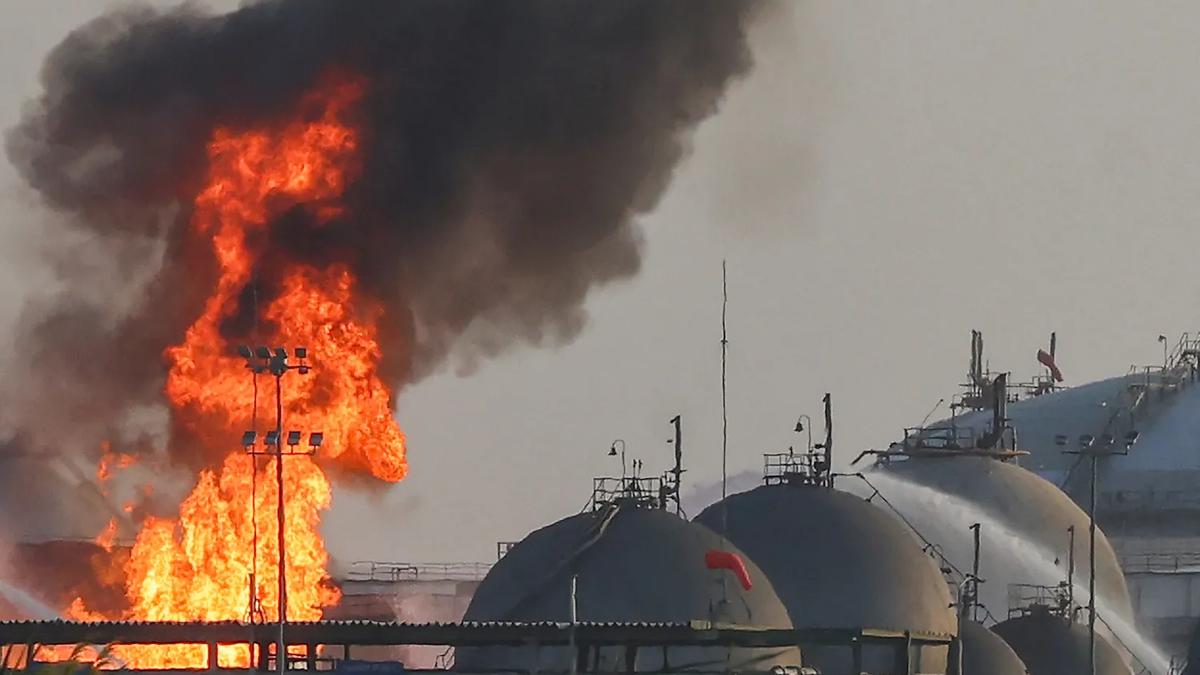
Yemen's Houthi rebels have significantly escalated their long-running campaign against Saudi Arabia, launching a barrage of missile and drone strikes targeting critical infrastructure deep within the kingdom. Recent attacks included a ballistic missile strike on King Khalid International Airport in Riyadh, following a drone assault a day prior that resulted in at least one fatality and material damage. These actions have prompted major airlines like Lufthansa and Air India to suspend flights to the Saudi capital. Beyond Riyadh, Houthi projectiles have struck oil refineries and other vital sites in southern Saudi Arabia, causing deaths, injuries, and even hitting a medical complex and a kindergarten.
In response, the internationally recognized, Saudi-led coalition has launched a counteroffensive dubbed “Dawn of Yemen,” aiming to reclaim strategic territory along the Red Sea coast, including the crucial Bab el-Mandeb strait. The conflict, long confined to Yemen and Saudi border regions, is now demonstrably widening, with Pakistan and Turkey activating a mutual defense pact to support Riyadh. Furthermore, Syria is reportedly considering providing military assistance, signaling a significant regionalization of the conflict that has historically been framed around Yemen's internal dynamics and Saudi Arabia's intervention.
The recent Houthi escalation is a calculated move to shift the cost of the Yemen war directly onto Saudi Arabia's domestic front, challenging the kingdom's perceived security and, more critically, the ambitious economic transformation agenda championed by Crown Prince Mohammed bin Salman (MBS). For the Houthis, backed by Iran, these strikes are designed to demonstrate their enduring capability to inflict pain and disrupt normalcy, thereby increasing pressure on Riyadh to end its military intervention and blockade in Yemen.
Saudi Arabia's power calculus is complex. MBS's legitimacy and future depend heavily on the success of Vision 2030, which aims to diversify the economy away from oil, attract massive foreign investment, and transform Riyadh into a global business and tourism hub. Repeated attacks on the capital and critical infrastructure directly undermine this vision, making the kingdom appear unstable and risky to investors. The
Houthi rebels are intensifying attacks on Saudi infrastructure to pressure Riyadh to end its military intervention and blockade in Yemen. Their strategy aims to make the war costly for Saudi Arabia on its own soil, disrupting its economy and security.
The conflict is regionalizing as Pakistan and Turkey have invoked a mutual defense pact to aid Saudi Arabia, and Syria is considering military support. This draws more regional powers into a conflict previously dominated by Saudi-led coalition forces and Houthi rebels.
The escalation means increased suffering for Yemeni civilians, who already face a severe humanitarian crisis. Saudi civilians are also directly impacted by Houthi strikes, experiencing casualties, injuries, and disruption to daily life, while economic instability threatens livelihoods across the region.
Source referenced: FOREIGNPOLICY
This brief was synthesized by our Editorial Engine and reviewed by The Ground Narrative team.