TRENDING

Friday, 9 October 2026
----------------------
28 Rabi' Al-Thani 1448 AH
A Congressional Budget Office report tallies 81 US aircraft destroyed or damaged in the Iran war, exposing a $3 bn price tag and a cascade of hidden costs for taxpayers and civilians alike.
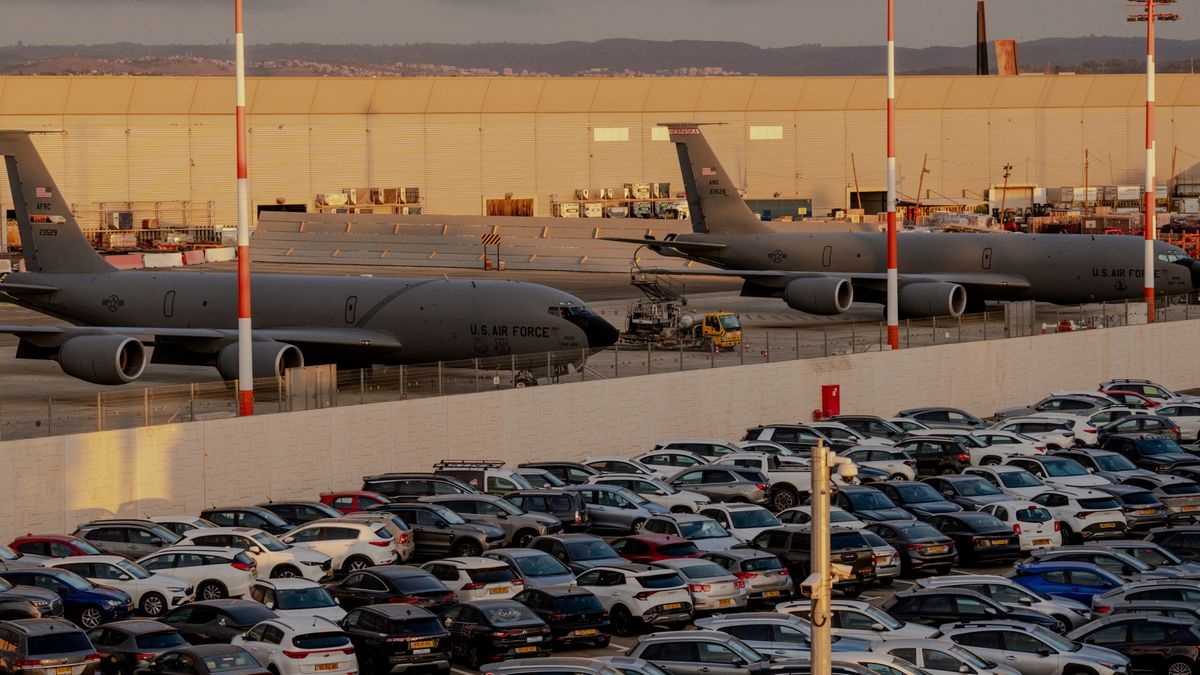
At least 81 United States military aircraft—fighters, drones and refuelers—have been confirmed lost or damaged since the launch of Operation Epic Fury in February. The Congressional Budget Office (CBO) estimates the material loss between $1.9 billion and $3.3 billion as of August 1, marking the eighth month of a conflict that has yet to see a ceasefire. The tally includes 12 F‑15E Strike Eagles, a single F‑35A Lightning II, seven KC‑135 Stratotankers and a staggering 45 MQ‑9 Reaper drones.
The numbers are more than a ledger of metal; they reveal a web of incentives and constraints shaping the war. Donald Trump’s administration has framed the campaign as a decisive response to Iranian aggression, leveraging the conflict to justify a historic $1.5 trillion defense request for FY 2027. That request hinges on the perception that American air power can compel Tehran to the negotiating table, even as the war drags on.
Iran, meanwhile, has turned the asymmetry of modern warfare to its advantage. Low‑cost, commercially‑available drones can threaten high‑value assets, forcing the United States to disperse its fleet, relocate bombers from the UK and scramble costly defensive measures. The success of Ukrainian drone tactics against Russian forces earlier in the decade provided a playbook that Tehran appears to be copying, exploiting the fact that a small, inexpensive platform can inflict outsized damage on a technologically superior adversary.
Congressional oversight adds another layer. The CBO’s report, prompted by an open letter from 45 Senate Democrats and an independent, demands transparent accounting before any supplemental funding. Lawmakers are wary of a war that began without a formal declaration, especially as the public’s appetite for further spending wanes.
The financial headline masks a cascade of everyday burdens. A Senate letter warned that American households have already absorbed roughly $160 billion in higher gasoline, diesel, grocery, mortgage and airline costs linked to the war. Those price spikes ripple through low‑income families, who spend a larger share of income on energy and food. Service members and their families also feel the strain: aircraft losses mean more maintenance cycles, longer deployments and heightened risk for pilots and drone operators.
Beyond the United States, Iranian civilians bear the brunt of retaliatory air strikes that accompany the aircraft losses. Urban centers in the Persian Gulf region have reported infrastructure damage, disrupted water supplies and displaced families. Neighboring economies—particularly in Iraq and Syria—see reduced foreign investment and tourism as the conflict threatens regional stability.
In the defense industry, contractors reap windfalls from replacement orders, but the profit sits atop a foundation of public debt and consumer price inflation, creating a stark contrast between boardroom gains and household hardships.
Official statements from the Pentagon have been terse, offering “nothing further to provide” on whether the losses were anticipated. What is omitted is a clear articulation of the war’s strategic end‑state. The administration has repeatedly emphasized deterrence, yet concrete diplomatic objectives remain vague, allowing the narrative to stay focused on kinetic success rather than political cost.
Iranian officials, for their part, highlight the aircraft losses as evidence of resistance, downplaying civilian casualties from subsequent strikes. This framing fuels domestic rallying while obscuring the humanitarian toll on their own population.
Corporate interests also stay largely invisible in public discourse. The surge in orders for replacement jets, drones and refuelers translates into billions of dollars for a handful of defense firms, a fact rarely mentioned in mainstream coverage that instead spotlights the headline‑grabbing loss figures.
Finally, the media’s focus on the monetary value of aircraft can distract from the broader question of why the war continues without a clear congressional mandate. By treating the loss of metal as a budgeting issue rather than a political decision, the public conversation sidesteps accountability for the choice to engage.
The upcoming U.S. midterm elections will test whether cost‑of‑war narratives can sway voter sentiment. A surge in anti‑war sentiment could pressure lawmakers to curb supplemental defense funding, potentially forcing the administration to seek a diplomatic exit.
Watch the Pentagon’s budget submissions for FY 2028. If aircraft replacement requests balloon, it may signal an intention to sustain or even intensify the air campaign, despite mounting public fatigue.
Iran’s drone production capacity is another flashpoint. Intelligence reports of new swarms targeting bases in the UK and the Gulf could trigger further redeployments of U.S. assets, raising the operational cost per month beyond the $3 billion projected by the CBO.
Finally, monitor any back‑channel negotiations between Washington, Tehran and regional allies. A credible ceasefire proposal, if paired with a transparent accounting of war expenses, could shift the power balance from kinetic to diplomatic, altering the calculus for both policymakers and ordinary citizens.
The Congressional Budget Office reports that at least 81 US aircraft—including fighters, drones and refuelers—have been lost or damaged since February.
The CBO estimates the material loss ranges from $1.9 billion to $3.3 billion, contributing to a total war cost of about $38 billion as of August.
Iran relies on low‑cost, commercially‑available drones that can target high‑value assets, forcing the US to spread its fleet and increase defensive expenditures.
Source referenced: ALJAZEERA
This brief was synthesized by our Editorial Engine and reviewed by The Ground Narrative team.