TRENDING

Saturday, 24 October 2026
----------------------
13 Jumada Al-Awwal 1448 AH
The 2026 FIFA World Cup is approaching, but security concerns are at an all-time high, according to a former FBI special agent. We analyze the strategic motivations behind the heightened security measures and their implications for global stability.
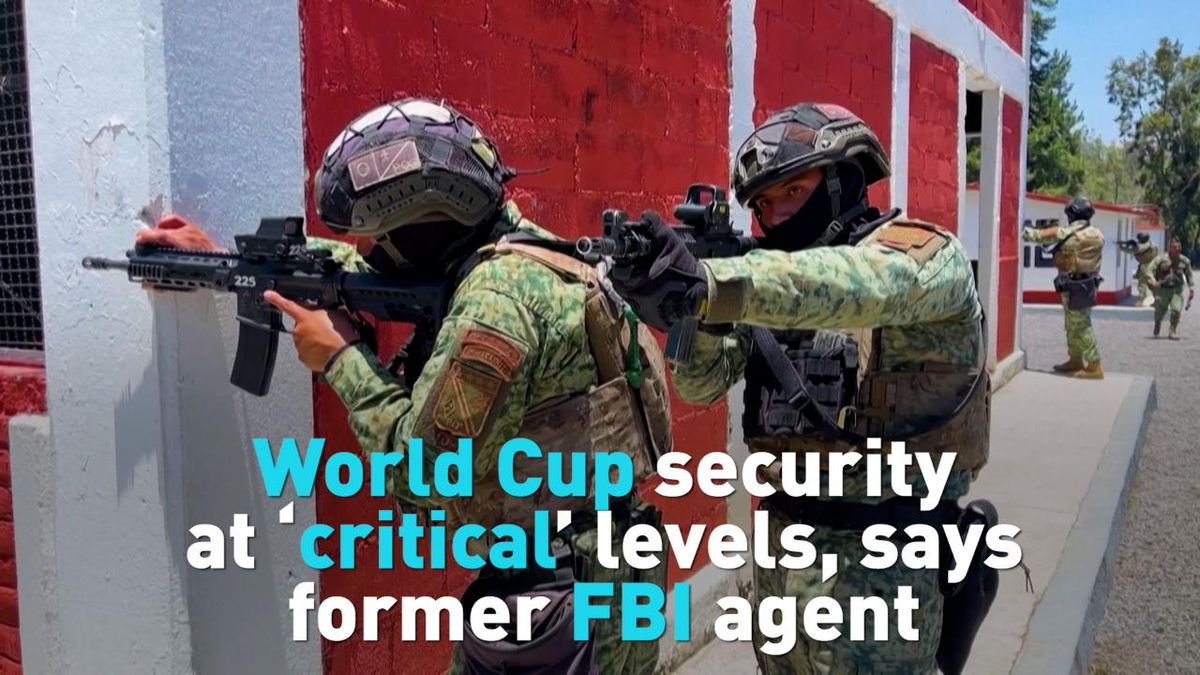
The 2026 FIFA World Cup is fast approaching, with kick-off scheduled for June 14th. However, the excitement surrounding the tournament is tempered by concerns over security. A former FBI special agent, Richard Kolko, has warned that security measures are at 'critical' levels, sparking questions about the strategic motivations behind these measures and their implications for global stability.
The FIFA World Cup has a long history of security concerns, dating back to the 1970s. However, the 2026 tournament is unique in that it will be held in the United States, a country with a complex security landscape. The US has a history of terrorist attacks, including the 9/11 attacks, and has been involved in various military conflicts around the world. These factors contribute to the heightened security concerns surrounding the tournament.
So, why are security measures at 'critical' levels for the 2026 World Cup? According to Kolko, the answer lies in the potential for terrorist attacks. The US has been a target of terrorist groups in the past, and the World Cup presents a high-profile target for these groups. Additionally, the tournament will attract a large number of international visitors, creating a potential security risk.
The heightened security measures for the World Cup have implications for regional stability. The US has a complex relationship with its neighbors, particularly Mexico and Canada, which will be co-hosting the tournament. The security concerns surrounding the World Cup may strain these relationships, particularly if security measures are perceived as overly aggressive or intrusive.
The consequences of the heightened security measures for the World Cup will be far-reaching. The tournament will be a major test of the US's ability to balance security concerns with the need to provide a safe and welcoming environment for international visitors. If security measures are deemed too aggressive or intrusive, it may damage the US's reputation as a host country and have long-term implications for its relationships with its neighbors.
The security concerns surrounding the 2026 World Cup are a reminder of the complex geopolitical landscape in which we live. The strategic motivations behind the heightened security measures are multifaceted, driven by a combination of historical, regional, and future consequences. As the tournament approaches, it is essential to consider the implications of these security measures and their potential impact on global stability.
Source referenced: CGTN
This brief was synthesized by our Editorial Engine and reviewed by The Ground Narrative team.


