TRENDING

Saturday, 24 October 2026
----------------------
13 Jumada Al-Awwal 1448 AH
More than 360,000 people have been evacuated in France and Spain as wildfires rage across the regions, highlighting the devastating impact of climate change on European communities.
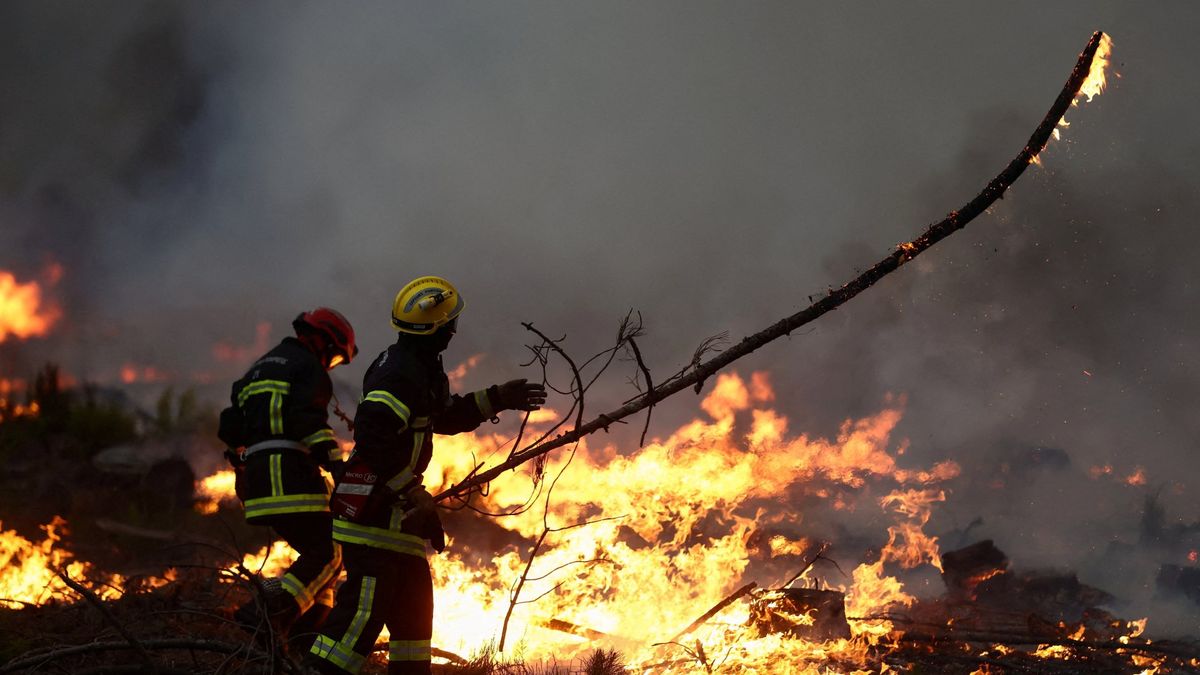
The recent wildfires in France and Spain have left over 360,000 people displaced, with the situation showing no signs of abating. The blazes, which have ravaged parts of southwestern France and Spain, have been exacerbated by successive heatwaves and drought conditions, creating the ideal conditions for wildfires to thrive.
The current wildfires are not an isolated incident, but rather a symptom of a larger issue - the increasing frequency and severity of climate-related disasters. Last month, the World Meteorological Organization (WMO) reported that June was the hottest on record in western Europe, with temperatures breaking records in Germany and the UK. This trend is expected to continue, with temperatures projected to rise further in the coming years.
The impact of climate change is not limited to the immediate region affected by the wildfires. The displacement of people and the destruction of infrastructure have far-reaching consequences for the affected communities, including economic losses, social disruption, and long-term psychological trauma.
The European Union's response to the wildfires, including the deployment of military personnel and aircraft, highlights the need for coordinated international action to address the climate crisis. The EU's commitment to supporting affected member states demonstrates a recognition of the shared responsibility for addressing climate-related disasters.
However, the situation also raises concerns about the long-term consequences of climate change. As temperatures continue to rise, the frequency and severity of wildfires are likely to increase, putting pressure on emergency services and infrastructure. The economic costs of responding to and recovering from these disasters will be significant, and the social and psychological impacts will be felt for generations to come.
The wildfires in France and Spain are a stark reminder of the devastating impact of climate change on European communities. The situation highlights the need for coordinated international action to address the climate crisis, including the deployment of resources and expertise to support affected regions.
As the world grapples with the consequences of climate change, it is essential to prioritize the needs of affected communities and to invest in measures to mitigate the impact of disasters. This includes supporting climate-resilient infrastructure, promoting sustainable land use practices, and providing support for affected communities to recover and rebuild.
Editor's Note: While the current situation is dire, the long-term consequences of climate change are uncertain.
Source referenced: ALJAZEERA
This brief was synthesized by our Editorial Engine and reviewed by The Ground Narrative team.