TRENDING

Saturday, 24 October 2026
----------------------
13 Jumada Al-Awwal 1448 AH
UN food aid reductions have left thousands of displaced West Bank families without meals, while Israeli policies and funding shortfalls tighten the noose. The article maps the power structures behind the crisis and the people who bear its daily cost.
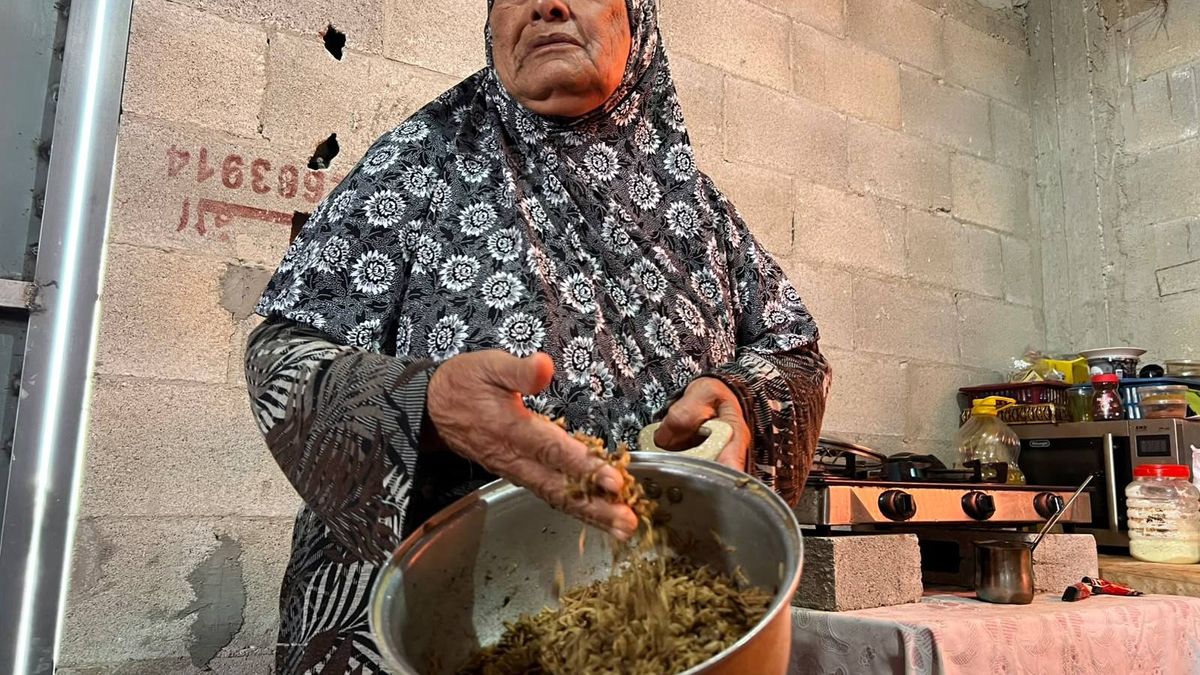
In September 2026 the World Food Programme announced a 50 % cut to its food‑aid roster in the occupied West Bank, citing dwindling donor contributions. The decision came after months of intensified Israeli military operations that razed parts of the Tulkarem refugee camp, displacing tens of thousands. Families like 75‑year‑old Fawza Awad and the Abu Sarriya household now survive on meager cash, with many reporting no meals for days.
- Funding bottlenecks: International donors, fatigued by years of conflict, reduced contributions to the WFP’s emergency pool. The agency’s quarterly analysis shows a gap between the 900,000 people flagged as food‑insecure and the 200,000 still receiving assistance.
- Israeli control of economics: Since May 2025 Israel has withheld the customs revenues it collects on behalf of the Palestinian Authority (PA), crippling the PA’s ability to pay civil servants and fund social safety nets. Simultaneously, Israel halted work permits for Palestinians in Israeli settlements, cutting a vital income stream for families that once sold produce or worked in construction.
- Settlement expansion and security doctrine: The demolition of the Tulkarem camp and the construction of a wide road for military vehicles illustrate a broader strategy of reshaping the landscape to facilitate settler movement and limit Palestinian mobility. The road also serves as a physical barrier that isolates displaced families from aid distribution points.
- NGO restrictions: In 2026 the Israeli government suspended registration for 37 international NGOs and closed several local aid groups, narrowing the pool of actors that can deliver food, medical supplies, or cash transfers.
- Political survival: For the Israeli government, maintaining a hardline stance in the West Bank bolsters domestic political capital among right‑wing constituencies, even as it escalates humanitarian costs. The PA, meanwhile, faces a legitimacy crisis without fiscal resources, making it dependent on external humanitarian actors whose budgets are now shrinking.
Awad, a widowed grandmother, now lives in an unfinished house with her son’s family. Without WFP vouchers, she cannot afford the 200 shekel ($64) monthly medication for asthma and hypertension. Her diet has collapsed to occasional lentils and stale bread, leaving her vulnerable to malnutrition and chronic disease.
Rabab Qasim, her husband Talib, and their three children occupy a 30‑square‑metre room in the al‑Muwahhad school. With no cash assistance for three months, they skip meals, sleep on a worn mattress, and lack basic medical care for Rabab’s herniated disc, which requires 300 shekels ($96) in treatment each month.
In the southern governorate of Masafer Yatta, 61‑year‑old Said al‑Amour lives with a 14‑person extended family after a settler shooting amputated his leg. He depends on a few olive trees that settlers regularly try to seize. Monthly medical costs of 1,200 shekels ($385) are now impossible to meet, and his family cannot purchase a nutritious diet.
The WFP’s own figures indicate that 76 % of West Bank households have seen a sharp income decline since 2023. One‑third cannot afford a healthy diet, and 12 % are classified as having poor food consumption. Rural areas, especially in the south, face the steepest drop in purchasing power, compounding the impact of aid cuts.
While UN officials cite “critical funding constraints,” donor governments have quietly redirected funds to other crises, such as the ongoing conflict in Gaza and emerging climate emergencies. The narrative of donor fatigue masks a strategic reallocation that aligns with broader geopolitical priorities, reducing pressure on Israel to alter its settlement policies.
Official Israeli statements frame the demolition of refugee camps as a security necessity, emphasizing the need for roads to move troops. This framing downplays the systematic erasure of Palestinian housing and the resulting humanitarian vacuum. The language of “military necessity” obscures the long‑term goal of reshaping demography in contested areas.
Public discourse often portrays the PA as a passive victim of Israeli aggression, yet the authority’s inability to collect its own revenues has turned it into a fiscal hostage. By withholding customs revenue, Israel effectively silences a key political actor that could otherwise negotiate aid flows or demand international intervention.
Global media coverage remains heavily weighted toward the Gaza war, leaving the West Bank’s chronic hunger crisis under‑reported. This asymmetry limits public pressure on donor states and international bodies to address the systemic under‑funding of WFP operations in the West Bank.
- Donor budget revisions: Watch for the United States, European Union, and Gulf states’ upcoming aid budget cycles. Any further reductions will deepen the crisis; any reinstatement could signal a shift in diplomatic calculations.
- Israeli policy announcements: New road projects, settlement approvals, or changes to work‑permit regimes will directly affect the economic lifelines of displaced families.
- PA fiscal negotiations: International mediation aimed at releasing withheld customs revenues could restore some public‑sector salaries, indirectly easing food‑insecurity pressures.
- NGO operational permits: The Israeli Interior Ministry’s pending decisions on NGO registrations will determine whether alternative humanitarian channels can fill the WFP gap.
- Grassroots resistance: Community‑based food cooperatives and informal cash‑transfer networks are emerging in southern villages. Their scalability could mitigate state‑level failures, but they also risk repression.
The convergence of funding shortfalls, settlement expansion, and restricted NGO activity creates a feedback loop that pushes displaced West Bank families toward a breaking point. Monitoring the above variables will reveal whether the international community will intervene or allow the humanitarian vacuum to widen.
The WFP reduced its beneficiary list by 50 % because donor contributions fell sharply, creating a funding gap that forced the agency to prioritize the most acute cases.
Without customs revenue, the Palestinian Authority cannot pay civil‑service salaries or fund social programs, leaving families without a safety net and increasing reliance on dwindling humanitarian aid.
Some communities are forming informal food cooperatives and cash‑transfer networks, but these efforts are limited by settlement restrictions, lack of funding, and the risk of Israeli security crackdowns.
Editor's Note: Analysis based on publicly available reports and expert commentary; on‑the‑ground conditions may evolve rapidly.
Source referenced: ALJAZEERA
This brief was synthesized by our Editorial Engine and reviewed by The Ground Narrative team.