TRENDING

Saturday, 24 October 2026
----------------------
13 Jumada Al-Awwal 1448 AH
Armenia hosted a major global biodiversity summit, seeking to project an image of environmental leadership. However, its domestic record of extensive mining, poor waste management, and air pollution tells a starkly different story.
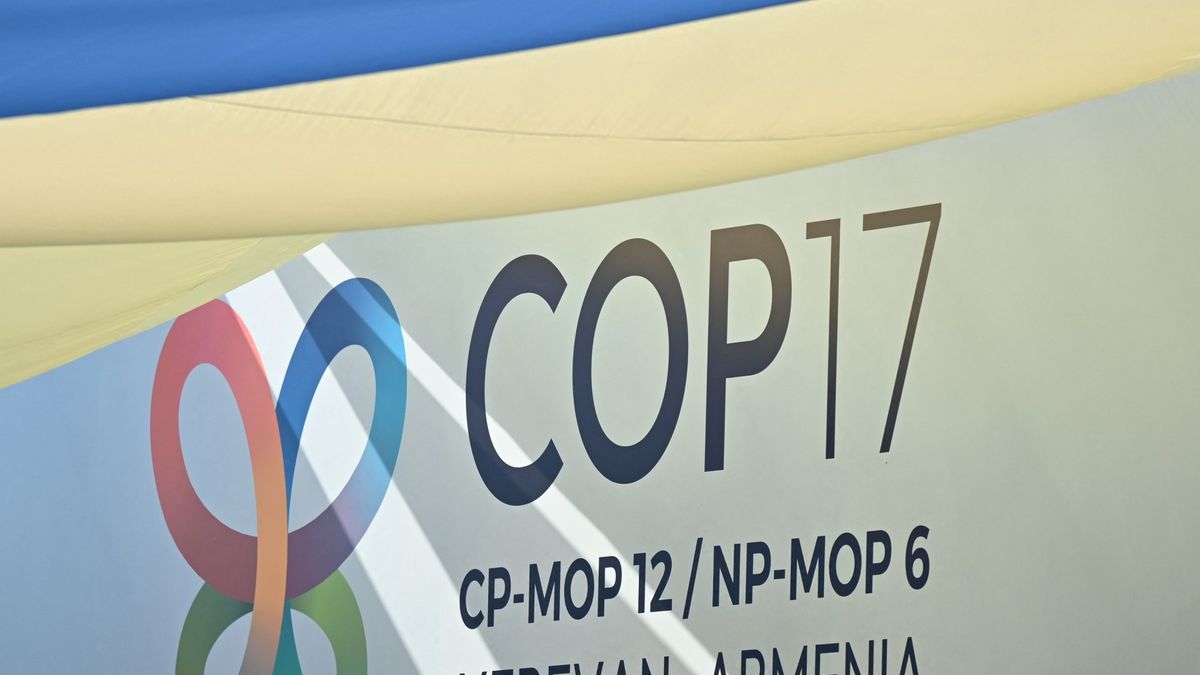
Last weekend, the 17th meeting of the Conference of the Parties (COP17) to the Convention on Biological Diversity (CBD) opened in Yerevan, the capital of Armenia. Hailed by the Armenian government as a landmark opportunity to showcase the nation's environmental ambitions and establish itself as a leader in conservation, the summit was celebrated with a lavish ceremony. However, the international spotlight quickly illuminated a stark contradiction: Armenia's own environmental record, particularly its struggles with waste management, wastewater treatment, and the pervasive impact of its mining industry, raises serious questions about its suitability to host such a critical global event. This grand international gathering occurred just days after Armenia controversially inaugurated the Amulsar gold mine, a project widely condemned by environmental organizations.
Armenia's decision to host COP17, while simultaneously pushing forward with environmentally damaging projects, is a clear illustration of a nation caught between competing strategic imperatives. At the heart of this dilemma is Armenia's economic structure, where mining plays an outsized role. Operations like the Zangezur, Agarak, and Teghut copper-molybdenum mines, along with the newly inaugurated Amulsar gold mine, are significant contributors to the national GDP—estimated at between 1.5 and 2 percent—and generate substantial tax revenues, reportedly around $130 million annually from projects like Amulsar alone. This economic reliance creates a powerful disincentive for the Armenian government to impose stringent environmental regulations that might curb profits or deter investment.
Further complicating this dynamic is the deep entanglement of Russian-linked businesses within Armenia's most lucrative industrial sectors. These companies are not merely investors; they are often the largest taxpayers and employers, granting them considerable leverage over government policy. For instance, Russian-linked investors hold a controlling stake in the Zangezur copper-molybdenum complex, which was Armenia's largest taxpayer in the first half of 2026. This economic reality means that any serious push for environmental reform in Armenia must contend with powerful, often foreign-backed, corporate interests that benefit directly from the current, less regulated system. The Armenian government's incentive to protect these operations, which bolster its budget and provide employment, often outweighs its stated environmental ambitions.
Simultaneously, Armenia is engaged in a delicate geopolitical pivot, seeking closer relations with the European Union (EU) while historically maintaining strong ties with Moscow. Hosting COP17 is a strategic move to burnish its international image and align itself with EU values, as the EU–Armenia Strategic Agenda explicitly identifies environmental improvements—such as stronger implementation of environmental impact assessment legislation, better waste management, and action on air and water quality—as crucial for closer integration. However, the contradiction between this outward-facing
Armenia's hosting of COP17 is controversial because its domestic environmental record is poor, particularly in waste management, wastewater treatment, and due to extensive, poorly regulated mining operations. This contrasts sharply with its ambition to be seen as an environmental leader.
Mining is a major contributor to Armenia's economy but also its environmental problems. Open-pit mines generate vast waste, polluting waterways with heavy metals and degrading land, directly impacting local communities and ecosystems.
Armenia's pivot towards the EU, which demands stronger environmental governance, creates a tension with its historical economic ties to Russia and Russian-linked businesses that benefit from current regulations. This geopolitical balancing act influences the pace and sincerity of environmental reforms.
Source referenced: ALJAZEERA
This brief was synthesized by our Editorial Engine and reviewed by The Ground Narrative team.