TRENDING

Wednesday, 7 October 2026
----------------------
26 Rabi' Al-Thani 1448 AH
Daily blackouts have turned Venezuelan neighborhoods into protest zones, exposing a fragile grid and a regime scrambling to keep oil flowing. The human toll is mounting as patients, workers and children bear the brunt of a crisis the government calls inevitable.
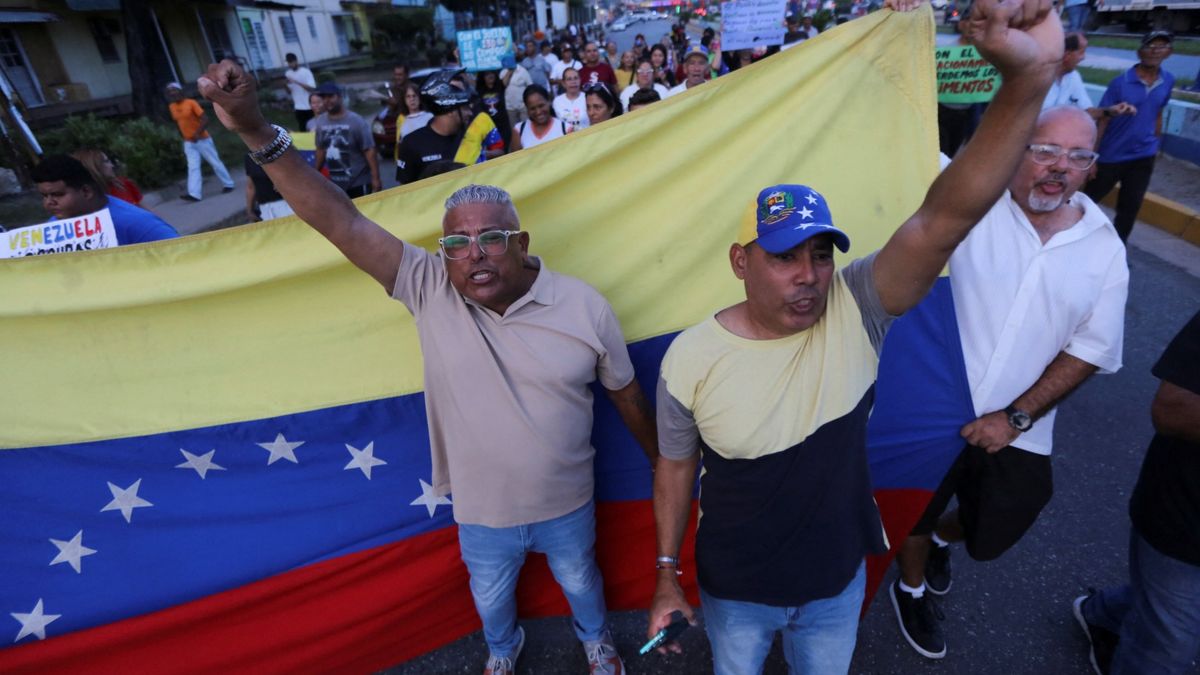
The country has seen daily electricity cuts across two‑thirds of households since the start of 2026, with outages lasting up to seven hours. In Valencia, a dialysis patient watched his life‑sustaining machine sputter out, while streets filled with the clatter of pots and pans as citizens staged cacerolazo protests. The interim government of Delcy Rodriguez has responded with rationing orders and promises of new generation capacity, but the lights remain off for most Venezuelans.
Venezuela's grid is a relic of the 1970s, built around hydropower that now struggles under drought and heat linked to El Niño. Decades of under‑investment left turbines rusting, transmission lines sagging, and spare parts scarce. At the same time, the regime has pivoted back to oil after a brief diplomatic thaw with the United States. Oil output rose 30 % this year, driven by foreign‑backed concessions that prioritize export volumes over domestic power needs. Energy specialist Nelson Hernandez notes that oil fields alone consume roughly 1,600 MW, a chunk of the national supply that cannot be throttled without jeopardizing revenue.
The political calculus is stark: keeping oil flowing secures hard currency, appeases the military, and offers leverage in negotiations with Washington. Sanctions remain a convenient scapegoat, allowing the government to blame external pressure while diverting attention from systemic mismanagement. Meanwhile, the climate narrative of El Niño provides a veneer of inevitability, masking the deliberate choice to allocate scarce megawatts to export‑oriented facilities rather than hospitals, schools or bakeries.
Patients like Onasis Munoz, a 34‑year‑old on dialysis, face life‑threatening interruptions when generators fail. Clinics that once relied on emergency batteries now sit in darkness, forcing doctors to postpone treatments and patients to endure fatigue comparable to marathon runs.
Small business owners such as Manuel Reyes scramble to align production with the fickle grid. His bakery can only bake during the few hours of power, forcing night‑shifts that increase labor costs and reduce profit margins. Many families cannot afford private generators, leaving them dependent on a public system that delivers electricity less than one‑third of the time.
Children in Maracay hear the clatter of pots not as a cultural expression but as a symptom of chronic insecurity. Six‑year‑old Mileidy Blanco's daughter has begun to panic each time the lights flicker, a sign that the crisis is eroding the psychological well‑being of an entire generation. Parents report sleepless nights, anxiety attacks, and a growing sense of hopelessness that fuels further protest.
The government’s public statements emphasize climate and sanctions, yet they omit the scale of foreign investment flowing into the oil sector under U.S.‑sanctioned deals. These contracts grant companies the right to tap the national grid for their own operations, effectively privatizing a portion of the country’s electricity without compensating the public. Legal measures forcing energy firms to invest in their own infrastructure shift the cost of the crisis onto citizens, while the state retains control over the remaining, already overstretched, network.
Internationally, the United States has softened its oil embargo, allowing American firms to partner with Venezuelan state oil entities. This tacit approval encourages a policy where oil revenue is prioritized over basic services, reinforcing the regime’s survival strategy. What the official narrative downplays is the feedback loop: higher oil output strains the grid, prompting more rationing for households, which in turn fuels protests that threaten the regime’s legitimacy.
Watch for any shift in the government’s allocation formula—if new generation projects come online, will they be earmarked for export‑linked facilities or public distribution? Monitor the frequency of cacerolazo protests; a surge could pressure Delcy Rodriguez to renegotiate oil contracts or seek emergency aid from regional partners. Finally, keep an eye on diplomatic moves between Venezuela and the United States; any tightening or loosening of sanctions will directly affect the balance between oil revenue and domestic electricity supply.
The cuts stem from aging hydropower infrastructure, drought linked to El Niño, and the government's decision to divert electricity to oil production, which now consumes a large share of the grid.
Higher oil output boosts export revenue but strains the national grid, forcing the regime to ration power for households and essential services while keeping oil fields supplied.
Source referenced: ALJAZEERA
This brief was synthesized by our Editorial Engine and reviewed by The Ground Narrative team.


