TRENDING

Wednesday, 7 October 2026
----------------------
26 Rabi' Al-Thani 1448 AH
China’s birth rate has plunged despite policy nudges. The real obstacles are career penalties, costly medical practices, and cultural expectations that make a second child a heavy burden.
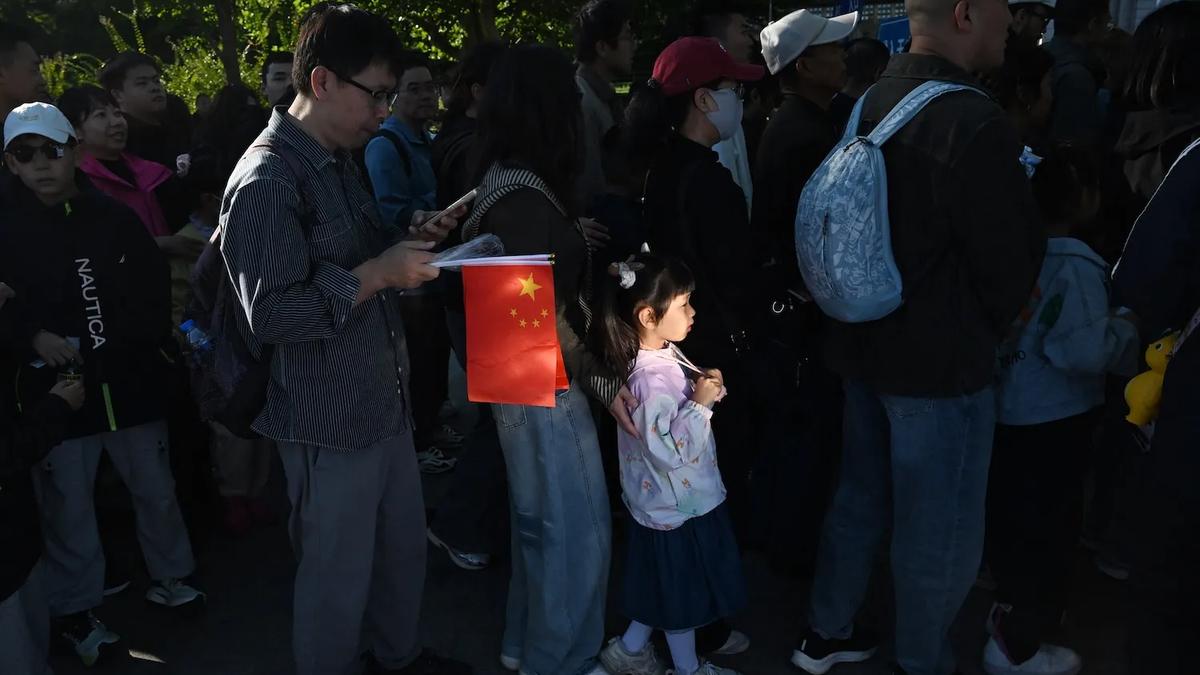
In 2026, China announced that the average number of children per couple had fallen to just one, even after loosening the one‑child rule in 2015 and expanding it to three in 2021. The government’s pronouncements urging larger families clash with a stark reality: most urban couples are choosing to have only one child, citing the high personal and financial costs of pregnancy, childbirth, and early parenting.
The demographic decline is not a simple matter of personal preference; it is the product of intersecting state incentives, market forces, and social norms. First, the Chinese Communist Party relies on a growing population to sustain its long‑term economic model, which depends on a large labor pool and a robust consumer base. To counteract the falling birth rate, Beijing has rolled out subsidies, tax breaks, and promises of free public hospital deliveries. Yet these incentives are undercut by weak enforcement and a health system riddled with informal payments. Doctors, motivated by higher fees for cesarean sections, push surgical births far above the World Health Organization’s recommended 10‑15 % ceiling, inflating costs for families.
Second, the labor market rewards uninterrupted career trajectories, especially in state‑linked enterprises and high‑tech firms. While China officially guarantees generous maternity leave, the reality is a patchwork of local rules and informal discrimination. Employers openly advertise men‑only positions or prefer married women who already have children, creating a hidden penalty for mothers who take time off. The fear of being sidelined drives many women to forgo a second pregnancy altogether.
Third, cultural expectations around postpartum care—particularly the practice of "sitting the month"—add a layer of hidden expense. Families are expected to hire live‑in nurses, purchase specialized foods, and accommodate grandparents in cramped apartments. The state’s promotion of traditional motherhood as a civic virtue reinforces these pressures, turning personal family decisions into a matter of national duty.
Urban women in their late twenties and early thirties face a stark calculus: a second child could mean a demotion, loss of promotion opportunities, or outright dismissal. Even with formal protections against gender discrimination, the informal labor market punishes motherhood, leaving many women to choose between professional advancement and family expansion.
The cost of a single birth in a public hospital can be deceptively low on paper, but bribes at registration, delivery, and post‑operative care push the total well into the thousands of yuan. Add to that the expense of a live‑in nurse for the month‑long confinement period, and the out‑of‑pocket burden rivals that of private schooling in many western countries.
Rapid urbanization has left many couples living in one‑bedroom apartments shared with both sets of grandparents and a hired caregiver. The lack of private space intensifies stress, contributes to postpartum depression, and erodes the quality of family life. Rural‑to‑urban migrants are especially vulnerable, as they lack the extended family networks that traditionally provided childcare support.
Because official channels for assisted reproduction are tightly controlled, a clandestine surrogacy market has emerged. Couples seeking a second child may turn to illegal brokers, paying exorbitant fees and risking legal repercussions. The lack of a hukou (household registration) for surrogate‑born children further complicates access to education and health services, perpetuating inequality.
Beijing’s media campaigns celebrate motherhood as a patriotic act, yet they rarely acknowledge the systemic obstacles that make a second child a financial and professional gamble. Official statistics highlight the policy shift to a three‑child limit, but they omit the pervasive informal payments that inflate the cost of childbirth.
Anti‑corruption drives temporarily lower cesarean rates, revealing how deeply financial incentives are embedded in hospital practices. When crackdowns ease, the rate rebounds, suggesting that bribes and higher procedure fees are a steady revenue stream for both physicians and hospital administrators.
Government messaging often frames child‑rearing as a woman’s natural role, subtly shifting the burden of demographic goals onto women while leaving men with minimal parental leave. This gendered framing obscures the broader economic calculus that makes a second child unattractive for the entire household.
The next five years will test whether policy tweaks can overcome entrenched market and cultural forces. Key indicators to monitor include: (1) the rollout and enforcement of any new maternity‑leave protections; (2) fluctuations in cesarean‑section rates following anti‑corruption campaigns; (3) the emergence of local pilot programs that subsidize live‑in nursing care; and (4) any legislative moves to legalize and regulate surrogacy, which could shift the hidden market into the open. Observers should also watch how China’s demographic data are presented in state media versus independent surveys, as the gap will reveal the extent of official denial.
If the state cannot align its pronouncements with the lived realities of its citizens, the birth‑rate decline may persist, reshaping the country’s labor pool, consumer market, and long‑term geopolitical posture.
The policy change removed legal limits but did not address the high career costs for women, hidden medical fees, and cultural expectations that make a second child financially and socially burdensome.
Doctors and hospitals earn extra revenue from bribes and higher fees for cesarean sections, inflating the cost of childbirth and discouraging families from having more than one child.
Editor's Note: Analysis based on publicly available reports and demographic trends up to October 2026.
Source referenced: FOREIGNPOLICY
This brief was synthesized by our Editorial Engine and reviewed by The Ground Narrative team.