TRENDING

Wednesday, 7 October 2026
----------------------
26 Rabi' Al-Thani 1448 AH
War games show Iran could unleash massive missile and drone salvos that outpace US interceptors. The analysis uncovers who benefits, who suffers, and what to watch next.
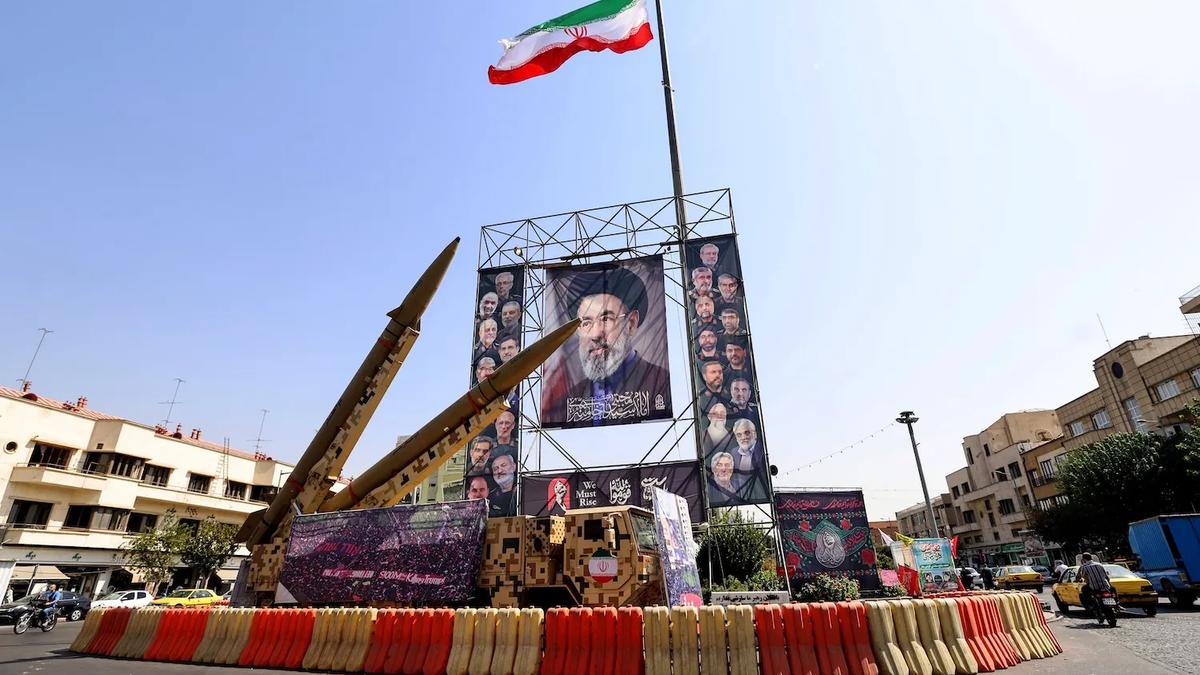
In the summer of 2026 a rapid flare‑up between Iran and a US‑led coalition saw Tehran launch dozens of ballistic missiles and hundreds of drones across the Persian Gulf. The strikes crippled runways, hit fuel depots and briefly shut the Strait of Hormuz, sending oil prices soaring. Within weeks the United States and its regional partners ran low on high‑end interceptors, exposing a glaring shortage.
In response, the Center for a New American Security ran two war‑games set in late 2027. Both scenarios imagined an Israeli pre‑emptive strike that reignited hostilities, with Iran now backed by upgraded Russian and Chinese weapons. Even with replenished Patriot, THAAD and SM‑6 stocks, the simulations showed US and allied defenses overwhelmed within days, forcing a painful reassessment of air‑defense strategy.
The core incentive for Iran is deterrence: a credible missile and drone capability forces any adversary to weigh the cost of intervention against the risk of a sudden, disruptive strike on oil infrastructure. Russian and Chinese defense firms have turned the conflict into a proving ground, supplying launch platforms, guidance kits and spare parts that keep Tehran’s arsenal humming.
For the United States, protecting the flow of oil through the Hormuz corridor safeguards global markets and domestic fuel prices, while also preserving the credibility of its security guarantees to Gulf allies. This creates a feedback loop: the more the US leans on forward‑deployed bases, the more attractive those sites become for Iranian “mobile launchers” that can hide in the crowded littoral.
The defense industrial base adds another layer. High‑cost interceptors like the PAC‑3 are produced in limited batches, and the supply chain cannot surge to replace the thousands fired in a short‑term crisis. Consequently, Washington must choose between spending billions on a larger stockpile or investing in cheaper, layered systems that can absorb the initial wave while preserving elite missiles for the most threatening targets.
The immediate fallout of a saturated missile barrage falls on the people who live and work along the Gulf’s coastline. Port laborers, shipyard welders and families in coastal towns face sudden evacuations, loss of income and exposure to hazardous debris. Even a brief shutdown of the Strait can trigger a spike in freight costs, inflating the price of everyday goods for consumers across the Middle East and beyond.
While Tehran projects a narrative of resistance, the war’s material toll is felt by ordinary Iranians. Rebuilding a missile inventory requires raw materials, skilled technicians and a steady flow of foreign components, diverting resources from housing, healthcare and education. The war‑games highlight that a prolonged conflict would strain an already battered economy, pushing inflation higher and deepening poverty in rural provinces.
American troops stationed in Jordan, Israel and the United Arab Emirates operate under heightened alert, with limited shelter against a barrage of low‑cost drones. The rapid depletion of interceptors forces pilots to fly longer missions from distant bases, increasing fatigue and accident risk. Private contractors who maintain air‑defense sites also confront longer work hours and the danger of becoming targets themselves.
Official statements often stress that the United States maintains “sufficient” missile defenses, yet the war‑games reveal a stark reality: a few days of high‑intensity firing can exhaust the entire replenished stockpile. This gap is rarely highlighted in public briefings, creating a false sense of security among Gulf partners who rely on American shield guarantees.
Washington’s rhetoric frames Tehran’s missile growth as a purely domestic achievement, but satellite imagery and trade data show a steady flow of Russian‑made propulsion units and Chinese electronic warfare kits. The strategic partnership is downplayed in diplomatic channels, obscuring the extent to which external powers are reshaping the regional balance of firepower.
The United States has historically led Gulf intelligence sharing, yet many regional air forces remain hesitant to integrate their radar feeds into a unified network. Concerns over sovereignty and the fear of exposing national assets to US surveillance limit the depth of real‑time situational awareness, a factor that war‑games identify as a critical vulnerability.
First, monitor congressional hearings on interceptor procurement. Legislation that accelerates production of cost‑effective drone‑defeat systems—such as laser‑based or electronic‑attack platforms—could shift the balance before the next stockpile runs dry. Second, watch for diplomatic moves that either deepen or loosen Russian‑Chinese arms transfers to Tehran; any new export licenses or sanctions adjustments will signal the direction of Iran’s re‑armament pipeline. Third, track the development of a Gulf‑wide sensor‑and‑shoot network. Joint exercises that integrate Saudi, Emirati and Qatari radar data with US assets would indicate a willingness to break the existing intelligence silos. Finally, keep an eye on Iran’s public messaging about “self‑sufficiency.” A sudden surge in domestic missile tests often precedes a covert influx of foreign components, foreshadowing a more capable threat.
In short, the next Iranian missile storm will be less about surprise and more about the exhaustion of defenses that were never built to handle sustained, high‑volume attacks. The actors who can hide their preparations—whether state sponsors, defense contractors or regional governments—will shape who ultimately bears the cost.
The simulations showed that even with replenished Patriot, THAAD and SM‑6 stocks, a concentrated Iranian missile and drone barrage would deplete US interceptors within days, leaving bases vulnerable.
Both countries supply propulsion units, guidance kits and electronic‑warfare components, helping Tehran rebuild and modernize its arsenal after the 2026 conflict.
Key measures include expanding a Gulf‑wide sensor network, fielding cheaper layered drone defenses, hardening bases, and accelerating production of interceptors while conserving high‑end missiles for critical threats.
Editor's Note: Analysis based on publicly available war‑game summaries and open‑source defense assessments.
Source referenced: FOREIGNPOLICY
This brief was synthesized by our Editorial Engine and reviewed by The Ground Narrative team.