TRENDING

Sunday, 4 October 2026
----------------------
23 Rabi' Al-Thani 1448 AH
A series of devastating earthquakes in Venezuela has triggered a significant international humanitarian response, revealing a complex interplay of aid, diplomacy, and regional stability. The influx of assistance from diverse nations and UN agencies highlights the severity of the crisis and its potential to reshape Venezuela's international relations.
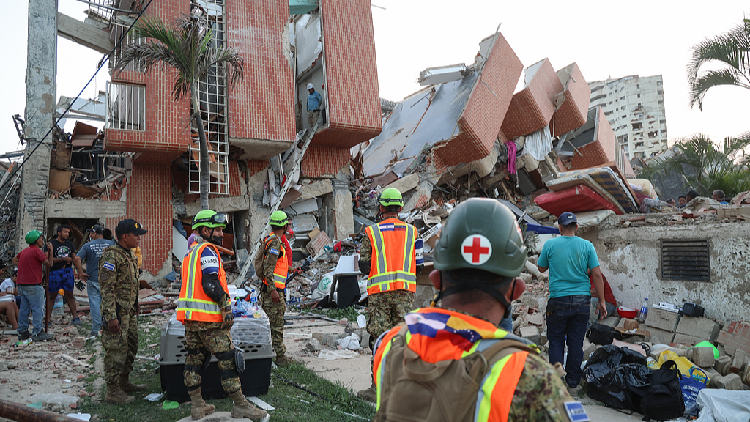
Venezuela has been struck by powerful twin earthquakes, resulting in a severe humanitarian crisis that has prompted an extensive international aid effort. The seismic events, which occurred on a Wednesday, have led to a rapidly escalating death toll and widespread destruction, drawing global attention and a coordinated response from numerous countries and multilateral organizations.
As of Friday, June 27, 2026, the death toll from the earthquakes had tragically risen to 920, according to Venezuelan National Assembly President Jorge Rodríguez. The humanitarian impact is further underscored by reports of approximately 50,000 people remaining missing, tracked through a dedicated online platform. The quakes caused widespread destruction, with at least 250 buildings damaged or completely destroyed. The state of La Guaira, located about 30 kilometers north of the capital Caracas, has been identified as the worst-affected area, experiencing significant structural damage. Critical infrastructure across the affected regions, including electricity, water supply, telecommunications, and transport networks, remains severely disrupted. Maiquetía International Airport, a key entry point, has been closed due to damage, further complicating relief efforts. Hospitals are operating under mass casualty protocols, and shelters have been established to accommodate the thousands of displaced residents. In response to the escalating crisis and to facilitate rescue operations and maintain security, La Guaira state has been placed under military control by the Bolivarian National Armed Forces.
The immediate aftermath of the earthquakes saw a rapid deployment of technical and humanitarian assistance from more than a dozen countries, alongside significant contributions from various United Nations agencies. Since Thursday, rescue teams, specialized equipment, and essential supplies have begun arriving from a diverse group of nations, including the Dominican Republic, El Salvador, Colombia, Mexico, Chile, Ecuador, Spain, Germany, Switzerland, and Qatar. This broad participation is notable given Venezuela's often strained diplomatic relations with several of these countries.
United Nations Secretary-General António Guterres swiftly pledged the UN's full support during a phone call with Venezuela's acting president, Delcy Rodríguez. The UN Emergency Relief Coordinator has allocated $15 million for urgent life-saving assistance, while the UN Office for the Coordination of Humanitarian Affairs (OCHA) is actively coordinating response efforts on the ground. In total, around 30 search and rescue teams, comprising over 1,600 personnel and more than 100 search dogs, have been deployed. UN Disaster Assessment and Coordination teams, along with operational support units and additional OCHA staff, have also been mobilized to strengthen coordination. Furthermore, the World Food Programme has committed enough provisions to feed over 10,000 families for two months, and the UN Children's Fund has allocated $2.5 million from its internal and global humanitarian funding to support the country.
The extensive international response to Venezuela's earthquake disaster carries significant geopolitical and diplomatic implications. For many of the participating nations, particularly those with historically tense or complex relationships with the Venezuelan government, providing humanitarian aid serves as a crucial avenue for diplomatic engagement. This 'disaster diplomacy' allows countries to extend goodwill and demonstrate solidarity on humanitarian grounds, potentially opening channels for future dialogue or improving bilateral relations without directly addressing contentious political issues. The involvement of countries like Colombia, for instance, which has experienced periods of significant political friction with Venezuela, highlights the capacity of humanitarian crises to transcend political divides, at least temporarily.
For Venezuela, the acceptance of such widespread international assistance, including from nations often critical of its government, underscores the overwhelming scale of the crisis and the country's inherent vulnerabilities. Venezuela's pre-existing economic challenges, exacerbated by years of political instability and sanctions, mean that its capacity for independent disaster response is severely limited. The reliance on external aid in this moment of profound need could subtly shift the dynamics of its international engagement, potentially fostering a more pragmatic approach to foreign relations in the long term. The UN's robust coordination role further reinforces the importance of multilateral institutions in managing large-scale humanitarian emergencies, particularly in politically sensitive environments. This crisis not only tests Venezuela's resilience but also offers a unique lens through which to observe the evolving landscape of international cooperation and soft power diplomacy in Latin America and beyond.