TRENDING

Monday, 5 October 2026
----------------------
24 Rabi' Al-Thani 1448 AH
Recent cyberattacks on U.S. water systems, likely linked to Iran, reveal deep vulnerabilities in critical infrastructure. These incidents highlight how essential public services are becoming battlegrounds in an unseen global conflict.
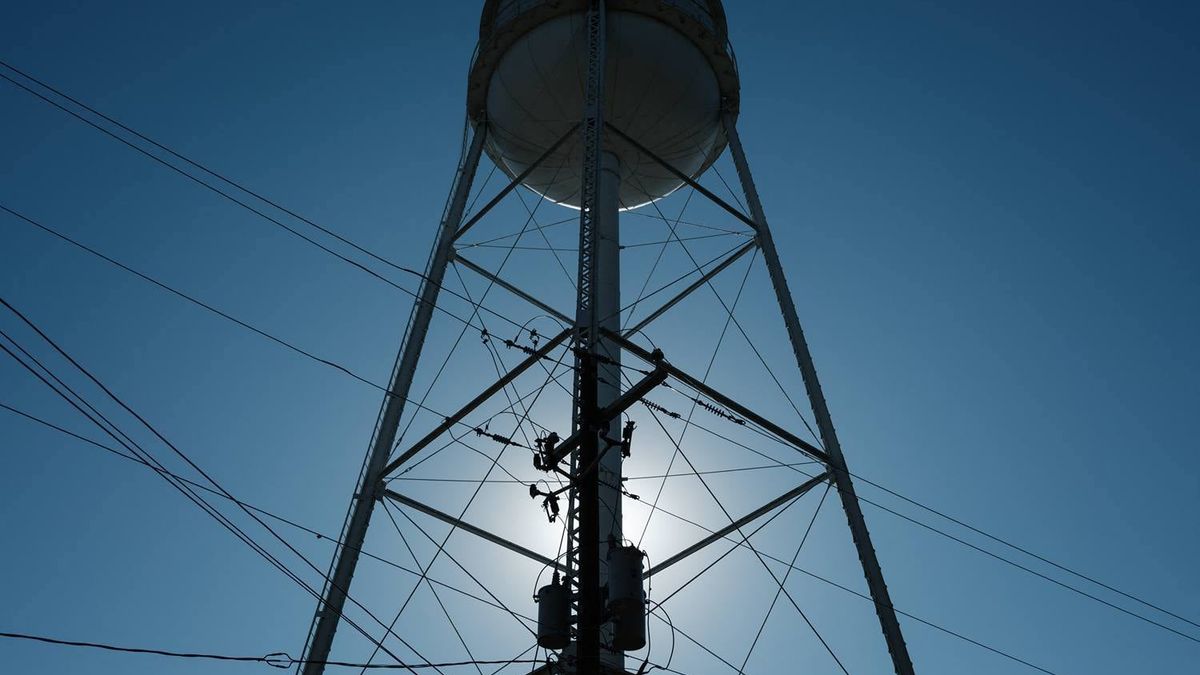
Over the past two weeks, water providers in at least seven U.s. states, possibly as many as a dozen, have been hit by cyberattacks. Agencies including the FBI, EPA, and CISA have confirmed that hackers targeted programmable logic controllers, essential components that manage water flow and chemical composition. While no major disruptions have been reported, some attacks were severe enough to trigger boil water notices for affected communities, and officials strongly suspect Iranian state-linked actors are behind the incidents.
These attacks are a stark demonstration of asymmetric power. For state actors like Iran, cyber warfare offers a low-cost, high-impact tool to project influence and inflict pressure without direct military confrontation. The U.S. water sector, with its over 148,000 public systems and 52,000 decentralized providers, presents an enormous and fragmented attack surface. Many of these smaller utilities lack the financial resources, technical expertise, and robust cybersecurity protocols of larger entities. They often rely on common, internet-connected third-party software, creating single points of failure that hackers can exploit en masse, as seen with previous attacks on Israeli-made Unitronics controllers used in the U.S. This decentralization, while historically promoting local control, now leaves critical infrastructure exposed to sophisticated state-sponsored adversaries, turning everyday utilities into geopolitical leverage points.
The immediate human cost manifests in boil water notices, forcing residents to contend with inconvenience, health concerns, and a fundamental erosion of trust in basic public services. Beyond immediate disruption, the potential for altered chemical levels or prolonged outages carries severe public health risks, particularly for vulnerable populations. The long-term financial burden of fortifying these systems will inevitably fall on local communities, either through increased taxes or higher water rates. Small municipalities, already struggling with aging infrastructure, will be forced to divert limited funds from other essential services, impacting the quality of life for ordinary citizens who are far removed from the geopolitical chess game playing out in cyberspace.
What governments and official statements often downplay is the systemic failure to adequately protect critical infrastructure, despite repeated warnings. The core issue isn't just the hackers' capabilities, but the deep-seated political and economic disincentives preventing comprehensive defense. Efforts by the EPA to mandate cybersecurity evaluations were met with lawsuits from states citing cost concerns, revealing a prioritization of short-term budgetary relief over long-term national security and public safety. This fragmented regulatory authority and the sheer scale of the problem — securing tens of thousands of disparate systems — create a 'tragedy of the commons' scenario where no single entity fully owns the responsibility or the cost. The convenience of remote access for understaffed utilities, while practical, has been a critical vulnerability that has gone unaddressed for too long, a quiet admission that the nation's digital defenses are far from uniform or robust.
Watch for the legislative response, such as the proposed Water Shield Cyber Act, and how it navigates the perennial debate between federal mandates and local autonomy. The crucial test will be whether new legislation comes with significant federal funding to support smaller utilities, or if the costs are simply pushed down to states and ratepayers. Also, observe the international response: will these attacks prompt a more serious discussion about establishing global norms for cyber warfare against civilian infrastructure, or will they simply escalate the tit-for-tat exchanges? The frequency and sophistication of these attacks will likely increase, pushing the U.S. to either invest massively in its digital defenses or risk further erosion of public trust and national stability at the most fundamental level: access to clean water.
Source referenced: FOREIGNPOLICY
This brief was synthesized by our Editorial Engine and reviewed by The Ground Narrative team.