TRENDING

Thursday, 1 October 2026
----------------------
20 Rabi' Al-Thani 1448 AH
A group of 146 Venezuelans deported by the United States are missing or confirmed dead after two powerful earthquakes struck Venezuela just hours after their arrival. The incident highlights the complex humanitarian and diplomatic challenges at the intersection of migration policy and natural disasters.
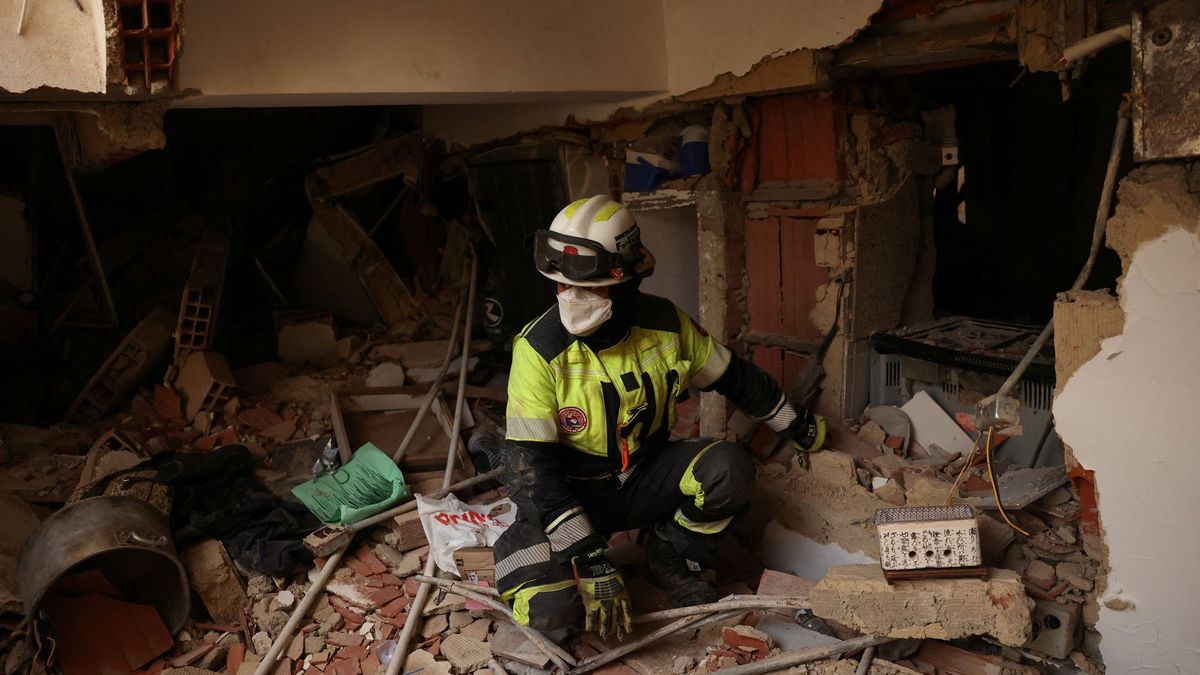
Last Wednesday, a significant humanitarian crisis unfolded in Venezuela following the deportation of at least 146 Venezuelan nationals from the United States, just hours before the country was struck by two deadly earthquakes. The group, reportedly detained in a hotel upon their arrival, became direct casualties of the natural disaster when the building collapsed. While some deaths have been confirmed, a substantial number of the deported individuals remain missing, raising urgent concerns about their welfare and the broader implications of international deportation policies.
The sequence of events began with the United States' decision to deport 146 individuals to Venezuela. This action, part of ongoing U.S. immigration enforcement efforts, saw the migrants returned to their home country. Shortly after their arrival, two powerful earthquakes devastated parts of Venezuela. The hotel where these individuals were being held, likely for processing or temporary accommodation, was among the structures that succumbed to the seismic activity. Satellite imagery has reportedly confirmed the collapse of the facility, turning a routine deportation into a tragic incident with confirmed fatalities and a significant number of people unaccounted for. This confluence of policy and natural disaster has created a dire situation for the affected individuals and their families.
The incident is set against a backdrop of deeply strained diplomatic relations between the United States and Venezuela. For years, the two nations have lacked full diplomatic ties, with the U.S. imposing sanctions on the Venezuelan government and recognizing opposition figures. This diplomatic chasm complicates humanitarian responses and information sharing, particularly concerning the welfare of deported individuals. The U.S. has increasingly resorted to deportations to Venezuela, a policy driven by domestic immigration pressures and a desire to deter irregular migration across its southern border. However, these deportations often occur despite the ongoing socio-economic and political instability within Venezuela, which is precisely what drives many of its citizens to seek refuge or economic opportunity abroad.
Venezuela itself has been grappling with a protracted crisis, marked by hyperinflation, widespread shortages of basic goods, and political turmoil. This has led to one of the largest displacement crises in the world, with millions of Venezuelans migrating to neighboring countries and beyond. The return of deportees, even under normal circumstances, presents significant challenges for a country already struggling to provide for its population. When coupled with a major natural disaster, the vulnerabilities of these individuals are severely exacerbated, placing immense pressure on Venezuela's already fragile infrastructure and emergency services.
The tragic fate of the deported Venezuelans underscores critical humanitarian and ethical questions surrounding international migration policies. While nations maintain the sovereign right to manage their borders and enforce immigration laws, the timing and context of deportations, especially to countries facing severe internal challenges or prone to natural disasters, warrant careful consideration. The immediate aftermath of the earthquakes has created a chaotic environment, making it exceedingly difficult to track and assist the missing individuals. The lack of robust consular mechanisms between the U.S. and Venezuela further impedes efforts to ascertain the status of those deported and to provide necessary support.
This event highlights the inherent risks faced by migrants and the complex responsibilities of states involved in the deportation process. It raises questions about the duty of care for individuals once they are returned to a country, particularly when that country is in crisis or experiences an unforeseen catastrophe. The international community will likely scrutinize such policies more closely, urging for greater coordination and humanitarian safeguards to prevent similar tragedies in the future. The incident serves as a stark reminder of the human cost at the intersection of geopolitical tensions, migration policies, and the unpredictable forces of nature.
Source referenced: ALJAZEERA
This brief was synthesized by our Editorial Engine and reviewed by The Ground Narrative team.


