TRENDING

Sunday, 18 October 2026
----------------------
7 Jumada Al-Awwal 1448 AH
The US Trade Representative, Jamieson Greer, has hinted at a new round of tariffs, potentially affecting 60 trading partners, as existing duties near expiration. This move could escalate tensions with major trading nations, including China, Japan, and the European Union.
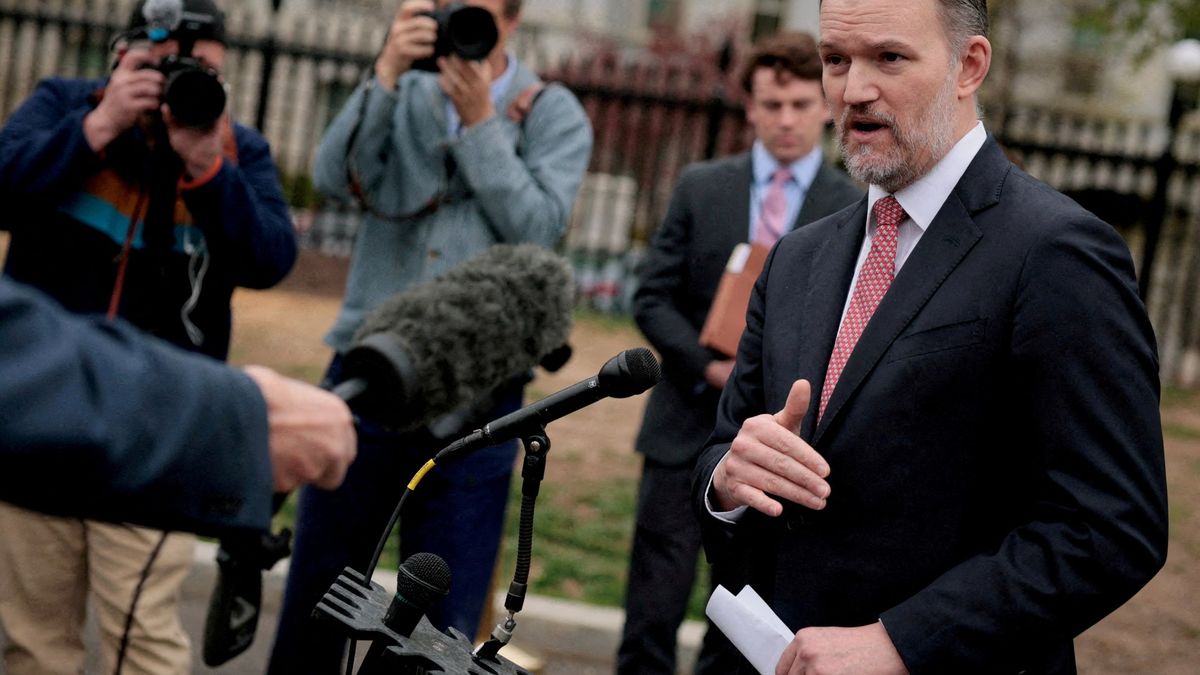
The United States is on the cusp of a new wave of protectionism, as the existing tariffs imposed by President Donald Trump's administration near expiration. The US Trade Representative, Jamieson Greer, has indicated that a new round of tariffs could be on the horizon, potentially affecting 60 trading partners.
The current tariffs were imposed in February under Section 122 of the US Trade Act of 1974, following the Supreme Court's ruling that the president lacked the authority to impose sweeping global tariffs under the International Emergency Economic Powers Act (IEEPA). This move marked a significant shift in the US trade policy, as the administration sought to assert its authority in the face of growing trade tensions.
The Trump administration's trade policy has been characterized by a mix of protectionism and nationalism. The imposition of tariffs has been a key tool in this strategy, aimed at protecting American industries and workers from what the administration perceives as unfair trade practices. However, critics argue that these tariffs have had a disproportionate impact on US consumers and businesses, who bear the brunt of the costs.
A new round of tariffs could have far-reaching implications for the global economy, particularly for major trading nations such as China, Japan, and the European Union. These countries have already expressed concerns about the impact of US tariffs on their economies, and a new wave of protectionism could further escalate tensions.
The consequences of a new round of tariffs are likely to be severe, with US importers and consumers shouldering the bulk of the burden. Analysis by the Kiel Institute for the World Economy has found that US importers and consumers bear 96 percent of the cost of Trump's tariffs, while the nonpartisan Tax Foundation estimates that the tariffs will increase the average tax burden on US households by about $700.
As the deadline for the existing tariffs approaches, it remains to be seen whether the US administration will proceed with a new round of tariffs. However, one thing is clear: the global economy is bracing for impact. The implications of a new wave of protectionism will be far-reaching, and the consequences will be felt for years to come.
Editor's Note: The analysis is based on publicly available information and may not reflect the full range of motivations and implications behind the US trade policy.
Source referenced: ALJAZEERA
This brief was synthesized by our Editorial Engine and reviewed by The Ground Narrative team.