TRENDING

Wednesday, 14 October 2026
----------------------
3 Jumada Al-Awwal 1448 AH
The United States has announced a 25% tariff on most Brazilian imports, citing unfair trade practices. This move escalates bilateral tensions, intertwining economic policy with the political dynamics of upcoming elections in both nations.
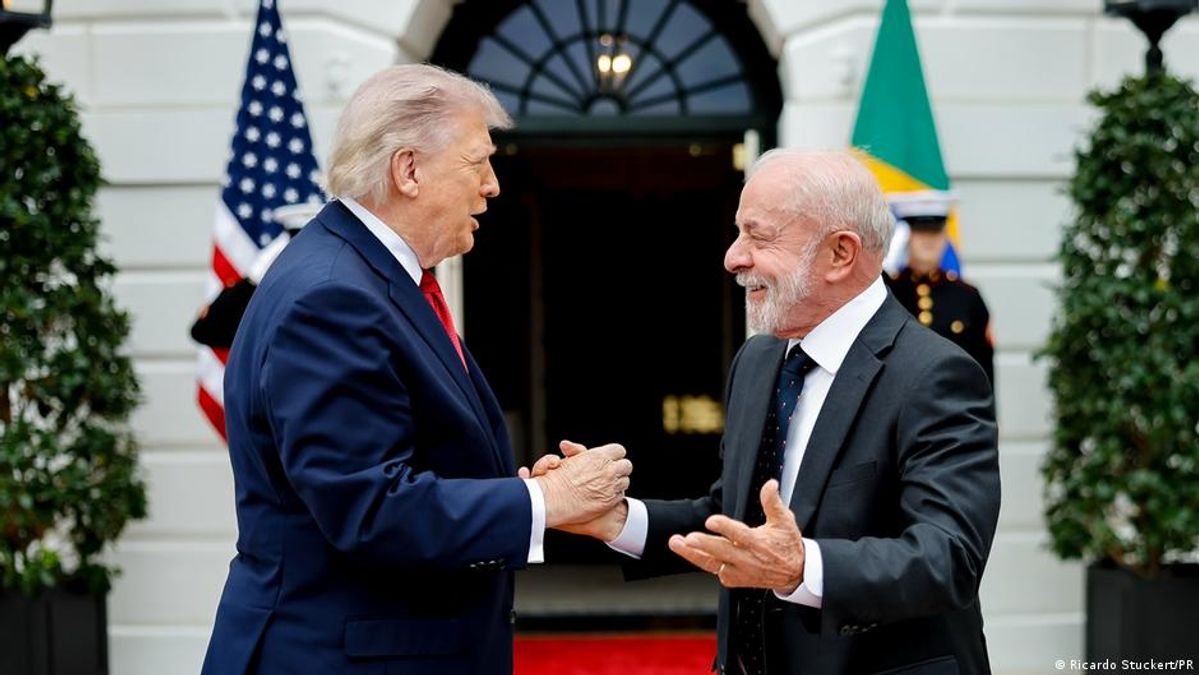
The United States Trade Representative's (USTR) office has declared its intention to impose a 25% tariff on a broad range of imports from Brazil, effective July 22. This significant trade measure marks a reassertion of protectionist policies by the Trump administration, following a period where previous tariff regimes had been challenged and, in some cases, nullified by the US Supreme Court. The decision comes amidst palpable friction between the current US administration and Brazilian President Luiz Inácio Lula da Silva's government, further complicated by the upcoming general elections in Brazil this October.
The USTR's justification for the tariffs stems from an investigation under Section 301 of the US Trade Act, which concluded that Brazil's trade practices were unfair. Specific concerns highlighted include Brazil's digital trade policies, issues related to illegal deforestation, and the impact of its instant payment system, Pix, on US credit card companies. Jamieson Greer of the USTR emphasized that safeguarding American economic interests against such practices is a cornerstone of President Trump's "America First" agenda, noting that extensive negotiations over the past year failed to resolve these issues.
However, the timing and context of these tariffs suggest deeper geopolitical and domestic political motivations. The Trump administration's strong ties to Brazil's former right-wing populist president, Jair Bolsonaro, and his family, stand in stark contrast to its relationship with the left-leaning Lula government. Lula himself has publicly accused the move of being "part of the plot built with the active collaboration of the Bolsonaro family," drawing a direct link between the trade action and internal Brazilian political dynamics. This accusation is particularly potent given Bolsonaro's legal troubles and his historical alignment with Trump.
The tariffs will apply to a wide array of Brazilian goods, including sugar, agricultural machinery, clothing, electrical machinery, paper, and steel. This broad application is designed to exert significant economic pressure. Nevertheless, the USTR has strategically exempted several key Brazilian exports that are in high demand among US consumers and businesses. These exemptions include beef, coffee, rare earths, energy products, aircraft and aircraft parts, organic honey, and pig iron. The selective nature of these tariffs suggests a calculated approach, aiming to target specific sectors while minimizing disruption to critical supply chains or consumer goods that might generate domestic backlash in the US.
From an economic perspective, these tariffs are likely to increase costs for US importers and consumers of Brazilian goods, potentially shifting demand to other markets or domestic producers. For Brazil, the immediate impact will be a reduction in export competitiveness for the affected sectors, potentially leading to job losses and economic slowdowns in those industries. President Lula has condemned the tariffs as a "lamentable milestone" and a "unilateral imposition," vowing to seek reciprocal measures through the World Trade Organization (WTO) dispute mechanism. This signals a potential escalation of the trade dispute onto the international legal stage.
The imposition of these tariffs carries significant implications for the upcoming Brazilian general elections in October. While Lula views the tariffs as politically motivated, aimed at undermining his administration, the situation is complex. Interestingly, Senator Flavio Bolsonaro, son of Jair Bolsonaro and a presidential hopeful, had reportedly appealed to the USTR *not* to impose tariffs, arguing that such measures could inadvertently bolster Lula's re-election campaign by allowing him to rally nationalist sentiment against perceived foreign interference. This highlights the intricate interplay between international trade policy and domestic electoral strategies.
For the US, these tariffs represent a continuation of the "America First" trade doctrine, which prioritizes domestic industries and seeks to leverage economic power to address perceived unfair practices. The Supreme Court's earlier nullification of Trump's previous tariff regime necessitated a new legal framework, leading to a surge in Section 301 investigations against various countries, including major economic powers. This indicates a broader, systematic effort by the US to re-evaluate and potentially restructure its trade relationships globally.
Looking ahead, the tariffs are poised to strain US-Brazil relations further, potentially pushing Brazil to strengthen economic ties with other blocs, such as BRICS. The dispute at the WTO could be protracted, and its outcome will be closely watched by other nations facing similar Section 301 investigations. The confluence of trade protectionism, electoral politics, and shifting global alliances underscores the complex and often intertwined nature of contemporary international affairs.
Source referenced: DW
This brief was synthesized by our Editorial Engine and reviewed by The Ground Narrative team.


