TRENDING

Friday, 16 October 2026
----------------------
5 Jumada Al-Awwal 1448 AH
Ten years after the failed coup, Turkey's government has undergone a profound transformation, with far-reaching consequences for the country's politics, society, and regional dynamics.
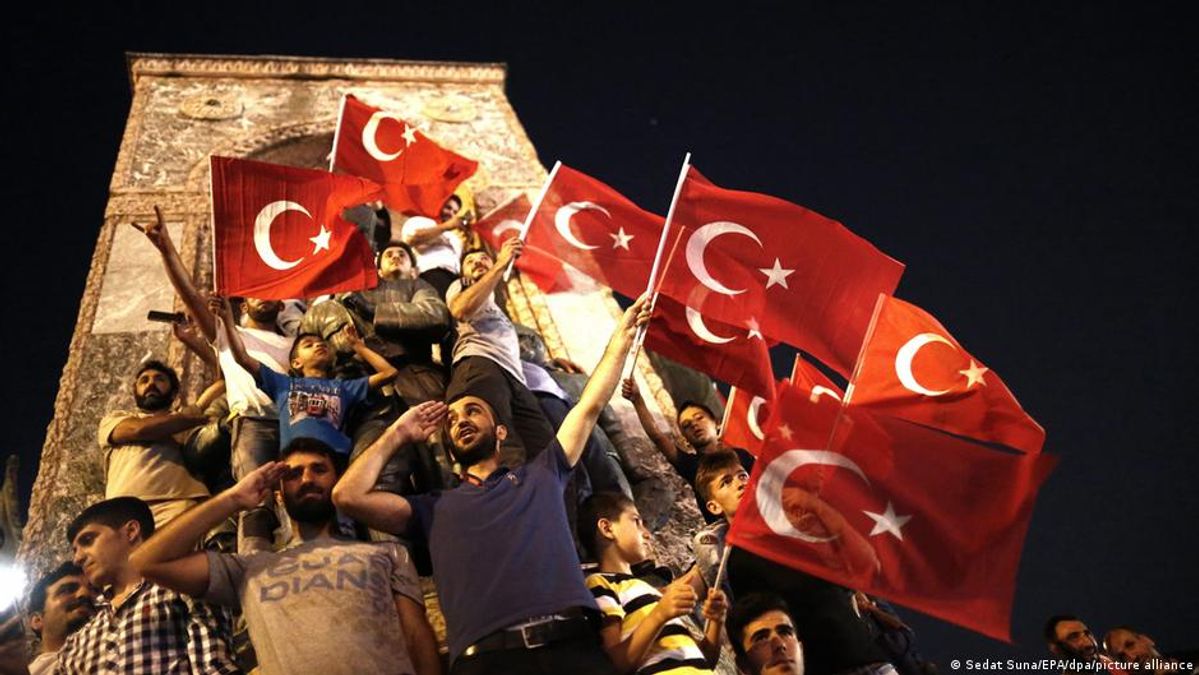
Ten years ago, on July 15, 2016, a group of Turkish military officers attempted to overthrow the government of President Recep Tayyip Erdogan. The coup attempt failed, but its consequences continue to shape Turkey's politics and society to this day.
The Turkish government blamed the Gulen movement, led by Muslim cleric Fethullah Gulen, for the coup attempt. Gulen and his followers had once been allies of Erdogan, but their alliance had soured over time. The government accused Gulen of infiltrating the judiciary, police, military, and other state institutions with followers, aiming to undermine the state. Many high-ranking military officials with alleged ties to Gulen were arrested, and the movement was designated a terrorist organization.
In the aftermath of the coup, the government declared a state of emergency, which lasted for two years. During this period, the president governed largely by emergency decrees, issuing 32 decrees in total. The consequences of these political purges have been enormous. Over 125,000 members of the civil service and the armed forces were dismissed, and approximately 390,000 people were detained or arrested on suspicion of ties to the Gulen movement. About 113,000 were placed in pretrial detention, and 4,130 people were sentenced to life imprisonment or aggravated life imprisonment for alleged involvement in the coup.
The failed coup and the subsequent state of emergency have led to a profound shift in Turkey's politics. The government has become increasingly centralized, with the president holding significant executive powers. The opposition has been weakened, and many of its leaders are now under investigation or face terrorism-related allegations. The presidential system, introduced in 2017, has transformed the opposition, with parties forming electoral alliances and fielding joint candidates.
Turkey's shift towards a more authoritarian government has significant regional implications. The country's relations with its neighbors, particularly Syria and Iraq, have become increasingly strained. The Turkish government's support for extremist groups in Syria has contributed to the ongoing conflict, and its military interventions in Iraq have raised concerns about the country's intentions.
The failed coup and its aftermath have had far-reaching consequences for Turkey's politics, society, and regional dynamics. The consolidation of power in the hands of President Erdogan has led to a more authoritarian government, with significant implications for the country's relations with its neighbors. As Turkey continues to navigate its complex regional landscape, it is essential to understand the underlying dynamics driving its politics and foreign policy.
Source referenced: DW
This brief was synthesized by our Editorial Engine and reviewed by The Ground Narrative team.