TRENDING

Friday, 16 October 2026
----------------------
5 Jumada Al-Awwal 1448 AH
Former Bangladeshi Prime Minister Sheikh Hasina plans to return to the country in December, despite the threat of arrest, and may play the role of martyr to bolster her party's future prospects.
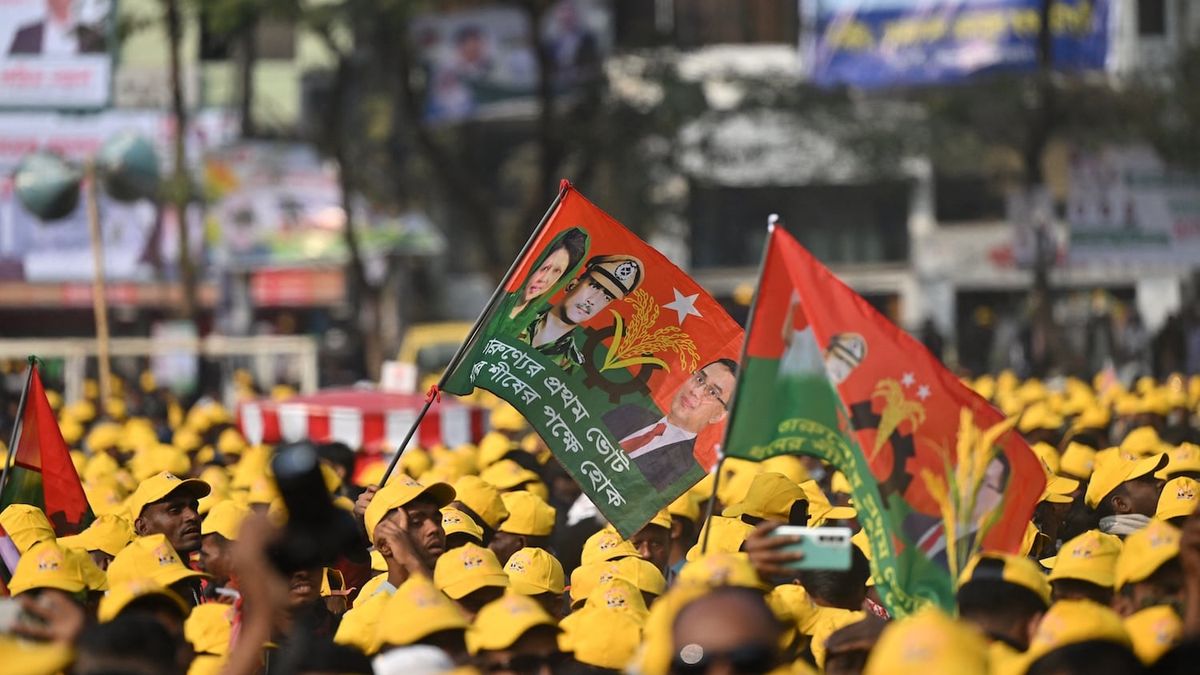
Sheikh Hasina, the former Prime Minister of Bangladesh, has announced plans to return to the country in December, despite the threat of arrest. This move has significant implications for Bangladesh's politics, and it is essential to understand the motivations behind Hasina's decision.
Hasina has been in India since August 2024, when her government was ousted amid mass protests. Last November, Bangladesh's International Crimes Tribunal sentenced Hasina to death in absentia for crimes against humanity in connection with the crackdown on protesters—charges that she rejects as politically motivated. The United Nations has reported that Hasina's security forces used massive force against demonstrators, resulting in as many as 1,400 deaths.
Hasina's decision to return to Bangladesh may be driven by several strategic motivations. One possibility is that she hopes to bolster her party's future prospects by playing the role of martyr. By serving time in prison, gaining sympathy from the public, and galvanizing what remains of her political base, Hasina may be able to regain some of the lost ground. Another possibility is that she may be seeking to minimize political instability in the country, which is already facing policy challenges.
Hasina's return to Bangladesh will have significant regional implications. The government, led by the Bangladesh Nationalist Party (BNP) and Prime Minister Tarique Rahman, will need to be mindful of anti-Hasina sentiment, which remains strong among young people and key opposition parties. The government may also face pressure from India, which has signaled a desire to patch up ties with Bangladesh. However, New Delhi has not changed its stance on Hasina's self-exile, which is a major source of tension in the bilateral relationship.
The future consequences of Hasina's return to Bangladesh are uncertain. If she is arrested, it may lead to immediate unrest and potentially even clashes between supporters and anti-Hasina partisans. However, if she is able to navigate the situation successfully, it may pave the way for a potential comeback. From Dhaka's perspective, Hasina's return may be preferable, as it would allow the government to minimize political instability and focus on policy challenges.
Sheikh Hasina's decision to return to Bangladesh in December is a calculated risk that has significant implications for the country's politics. While the motivations behind her decision are unclear, it is essential to understand the strategic motivations and regional implications of this move. The future consequences of Hasina's return are uncertain, but one thing is clear: Bangladesh's politics will be watching closely as this drama unfolds.
Source referenced: FOREIGNPOLICY
This brief was synthesized by our Editorial Engine and reviewed by The Ground Narrative team.