TRENDING

Thursday, 15 October 2026
----------------------
4 Jumada Al-Awwal 1448 AH
A recent surge in Israeli settler attacks has resulted in widespread destruction of Palestinian farmlands and property across the occupied West Bank, exacerbating an already volatile geopolitical landscape. These incidents are part of a documented pattern of increasing violence and land appropriation, challenging regional stability and international efforts towards peace.
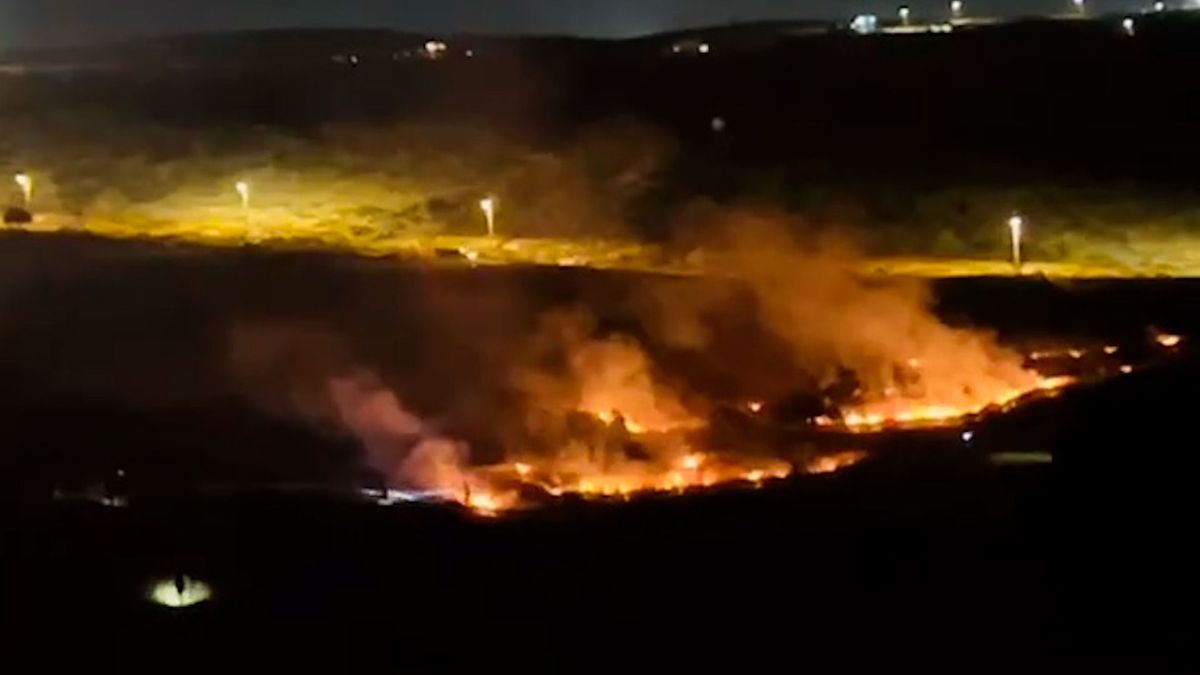
Overnight incidents on July 16, 2026, saw Israeli settler attacks ignite farmlands in Masafer Yatta and burn vehicles near Tulkarem, marking a significant escalation in the ongoing conflict across the occupied West Bank. These events are not isolated but represent a continuation of a growing wave of settler violence and land loss that profoundly impacts Palestinian communities and regional stability.
The attacks, which occurred across various Palestinian villages, directly targeted the livelihoods and security of residents. The destruction of farmlands, a primary source of income for many Palestinian families, inflicts severe economic hardship and contributes to forced displacement. The burning of vehicles further demonstrates the intent to disrupt daily life and exert pressure on communities. These actions are part of a long-standing pattern within the Israeli-Palestinian conflict, where the expansion of Israeli settlements and associated violence have been central to the dispute over land and sovereignty.
The occupied West Bank, including East Jerusalem, has been under Israeli occupation since the 1967 Six-Day War. International law largely considers Israeli settlements in these territories illegal, a position affirmed by numerous United Nations resolutions. Despite this, the settler population has steadily grown, leading to increased friction with Palestinian residents. The recent incidents near Tulkarem and in Masafer Yatta, a region frequently targeted due to its strategic location and rich agricultural land, underscore the persistent challenges faced by Palestinians in maintaining their presence and property.
The motivations behind such settler violence are multi-faceted, often driven by a desire to expand Israeli control over territory, establish facts on the ground, and push Palestinian communities out of strategically important areas. This systematic pressure contributes to the fragmentation of Palestinian land, making the prospect of a contiguous and viable Palestinian state increasingly difficult to achieve. The destruction of agricultural land, in particular, serves to undermine the economic base of Palestinian communities, making them more vulnerable and dependent.
From a geopolitical perspective, these escalating incidents have several critical implications:
* Undermining Peace Prospects: The continued expansion of settlements and associated violence directly challenges the feasibility of a two-state solution, which remains the internationally recognized framework for resolving the conflict. Each act of land appropriation or destruction further erodes trust and makes future negotiations more arduous.
* Regional Instability: The West Bank is a flashpoint, and increased violence here has the potential to ignite broader regional instability. It fuels resentment, radicalization, and can draw in other regional and international actors, complicating an already volatile Middle East.
* Humanitarian Crisis: For the affected Palestinian communities, these attacks represent a severe humanitarian crisis, impacting food security, shelter, and access to essential services. The constant threat of violence and displacement creates an environment of fear and insecurity.
* International Law and Accountability: The international community frequently condemns settler violence and settlement expansion. However, the lack of effective enforcement mechanisms or accountability for perpetrators often emboldens further actions. This raises questions about the efficacy of international law and the responsibility of the occupying power to protect the civilian population under its control.
The Israeli government, as the occupying power, bears the primary responsibility for maintaining law and order and protecting all residents in the West Bank. Critics argue that there is often insufficient action taken to prevent settler violence or to prosecute those responsible, contributing to a climate of impunity. The Palestinian Authority, with its limited control and resources, struggles to protect its population effectively.
The international community, including the United Nations and various diplomatic bodies, consistently calls for an end to settlement expansion and violence. However, these calls have largely failed to halt the trend. The ongoing events in Masafer Yatta and near Tulkarem serve as a stark reminder of the urgent need for robust international engagement and concrete measures to de-escalate tensions, protect civilian populations, and preserve the viability of a political resolution.
Without a significant shift in policy and enforcement, the trajectory of increasing settler violence and land loss is likely to continue, further entrenching the occupation and pushing the region closer to irreversible geopolitical outcomes. The events of July 16, 2026, are not merely local incidents but critical indicators of a deepening crisis with profound implications for peace and stability in the Middle East.
Source referenced: ALJAZEERA
This brief was synthesized by our Editorial Engine and reviewed by The Ground Narrative team.