TRENDING

Thursday, 15 October 2026
----------------------
4 Jumada Al-Awwal 1448 AH
The US military has launched additional strikes against Iran, escalating tensions in the region as the US prepares to reinstate a blockade of Iranian shipping.
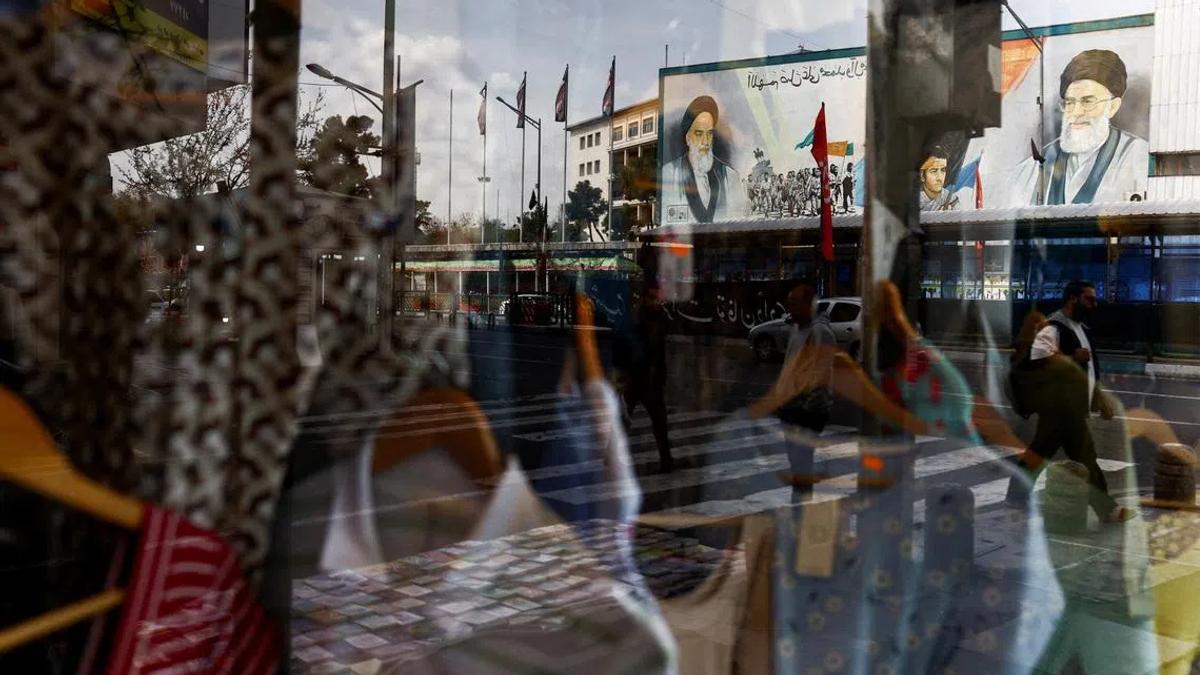
The recent US military strikes against Iran, announced on July 14, 2026, mark a significant escalation in the ongoing tensions between the two nations. The strikes come as the US is preparing to reinstate a blockade of Iranian shipping, a move that has been met with resistance from Tehran.
The US-Iran conflict has its roots in the 1979 Iranian Revolution, which led to the establishment of an Islamic republic. The US, along with other Western nations, imposed economic sanctions on Iran in response to its nuclear program and human rights abuses. The sanctions have had a devastating impact on the Iranian economy, leading to widespread poverty and unemployment.
The US military strikes against Iran are likely a response to Tehran's decision to close the Strait of Hormuz, a critical waterway that connects the Persian Gulf to the Gulf of Oman. The strait is a vital shipping lane, through which approximately 20% of the world's oil supply passes. By closing the strait, Iran is attempting to exert pressure on the US and its allies to lift the economic sanctions.
The US blockade of Iranian shipping, if implemented, will have significant regional implications. It will disrupt the global oil supply chain, leading to increased prices and economic instability. The move will also further strain relations between the US and its allies, particularly in Europe, where many nations have been critical of the US's aggressive posture towards Iran.
The US military strikes against Iran, combined with the threat of a blockade, will likely lead to increased tensions in the region. Iran may respond with its own military strikes, potentially targeting US interests in the Middle East. The situation has the potential to escalate into a full-blown conflict, with significant consequences for regional and global stability.
The US-Iran conflict has far-reaching implications for global security and stability. The conflict has the potential to disrupt the global oil supply chain, leading to economic instability and increased prices. It also has significant implications for regional stability, with the potential to draw in other nations and exacerbate existing tensions.
Editor's Note: The long-term consequences of the situation are uncertain, with the potential for further escalation and conflict.
Source referenced: STRAITSTIMES
This brief was synthesized by our Editorial Engine and reviewed by The Ground Narrative team.


