TRENDING

Thursday, 22 October 2026
----------------------
11 Jumada Al-Awwal 1448 AH
The United States has conducted 'self-defense strikes' against targets in southern Iran, following the alleged downing of a US Army Apache helicopter by Iranian forces. This direct military confrontation marks a significant escalation in the already volatile relationship between Washington and Tehran, raising concerns about regional stability and global energy security.
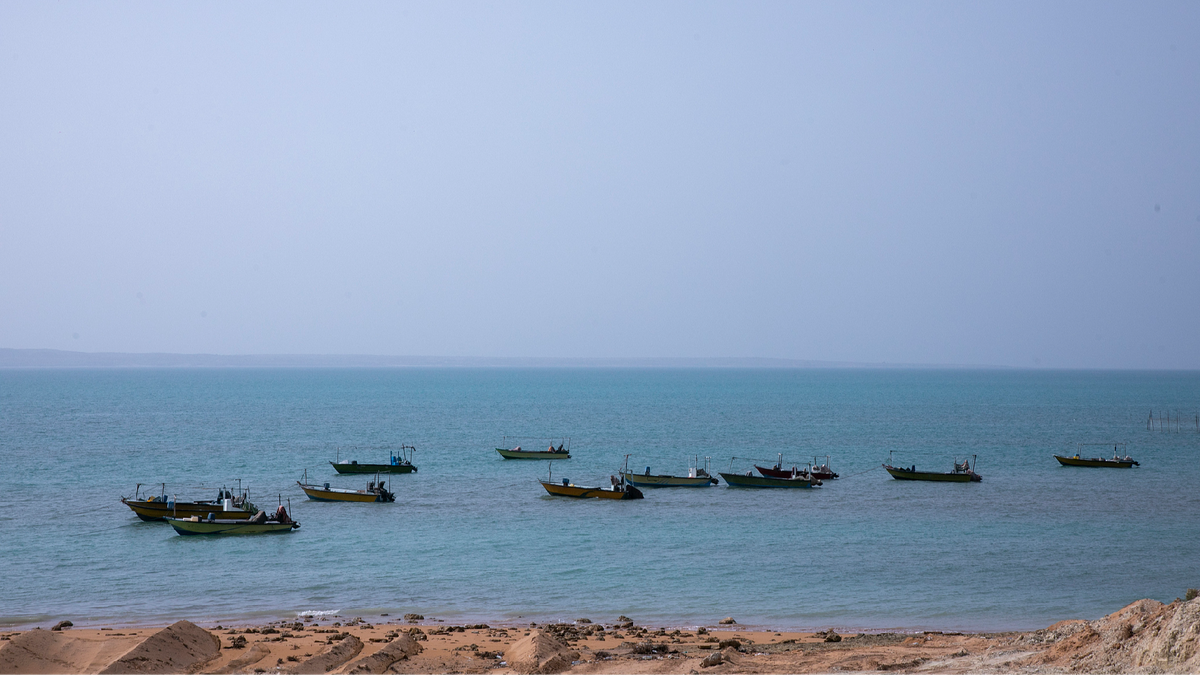
In a significant escalation of tensions in the Middle East, the United States military launched a series of "self-defense strikes" against targets in southern Iran. These actions, confirmed by the US Central Command on Tuesday local time, were a direct response to the alleged downing of a US Army Apache helicopter by Iranian forces on Monday. The incident and subsequent retaliation occurred near the strategically vital Strait of Hormuz, a critical chokepoint for global oil shipments.
The immediate catalyst for the US military action was the reported downing of a US Army Apache helicopter. While details surrounding the exact circumstances of the helicopter incident remain limited, US President Donald Trump publicly accused Iran of the attack on Tuesday, vowing a swift response. Subsequently, US Central Command announced that its forces had initiated strikes at 5 p.m. ET, acting under the Commander in Chief's direction. Iranian state media, including IRIB TV and the semi-official Tasnim news agency, reported multiple explosions early Wednesday morning across several southern Iranian locations. These included the port city of Bandar Abbas, Qeshm Island, Sirik County, and Jask County, with reports indicating that US fighter jets were responsible for attacks in Sirik, Qeshm Island, and the southern city of Minab. Air defenses were reportedly activated in these areas, underscoring the gravity of the situation on the ground.
The direct military engagement between the United States and Iran represents a perilous escalation in a region already fraught with instability. The Strait of Hormuz, where the initial incident occurred, is a narrow waterway through which approximately one-fifth of the world's oil supply passes. Any disruption or increased militarization in this area carries profound implications for global energy markets and international trade. The US response signals a clear intent to deter perceived Iranian aggression and protect its assets and personnel in the region. From Washington's perspective, the downing of a military helicopter constitutes a direct attack on its sovereignty and operational freedom, necessitating a robust response to maintain credibility and deter future provocations.
Iran's motivations for allegedly downing the helicopter are subject to various interpretations. It could be a calculated move to assert its presence and challenge US military operations in its vicinity, a miscalculation of US red lines, or a response to perceived US or allied activities in the Persian Gulf. Regardless of the specific intent, the action has significantly heightened the risk of a broader conflict. Tehran has historically viewed the presence of foreign military forces in the Gulf as a threat to its national security, and incidents in this area often reflect a complex interplay of deterrence, signaling, and brinkmanship.
The immediate aftermath of these strikes will be closely watched for signs of further escalation or de-escalation. The potential for a tit-for-tat cycle of attacks is a major concern for regional and international actors. The broader Middle East remains a hotbed of proxy conflicts and geopolitical rivalries, and a direct US-Iran military confrontation could easily spill over, drawing in other regional powers and exacerbating existing tensions. The article also briefly notes ongoing Israeli air and drone strikes in southern Lebanon, which killed at least 16 people, highlighting the pervasive instability across the wider Levant and the interconnectedness of regional security dynamics. This concurrent violence underscores the fragile security environment and the potential for multiple flashpoints to ignite simultaneously.
Diplomatically, the incident will likely lead to increased international calls for restraint and de-escalation. Global powers will be keen to prevent a full-blown conflict that could have devastating economic and humanitarian consequences. The long-term implications for US-Iran relations, already strained by sanctions and geopolitical competition, are likely to be further complicated, making any future diplomatic resolution even more challenging. The current events underscore the urgent need for de-escalation mechanisms and clear communication channels to prevent miscalculation from spiraling into a wider, more destructive conflict.
Source referenced: CGTN
This brief was synthesized by our Editorial Engine and reviewed by The Ground Narrative team.


