TRENDING

Monday, 21 September 2026
----------------------
10 Rabi' Al-Thani 1448 AH
The Trump administration is readying sweeping sanctions against the International Criminal Court, threatening the tribunal's ability to function. The move pits U.S. geopolitical interests against a body meant to hold war criminals accountable, with ordinary people caught in the crossfire.
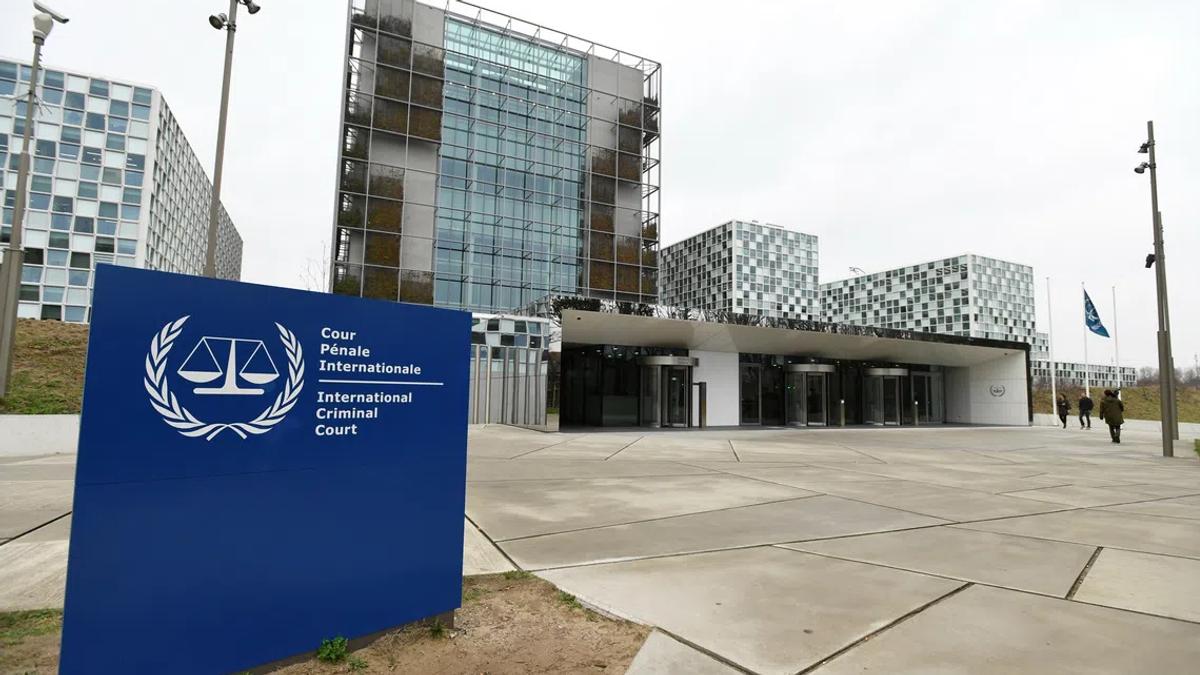
President Donald Trump’s administration has drafted sanctions that would target the International Criminal Court (ICC) in its entirety, sources said. The sanctions, likely to be announced at the upcoming UN General Assembly, would bar U.S. persons and companies from providing funds, goods, or services to the court without a Treasury licence, effectively choking its operational budget.
The United States has never joined the ICC, citing concerns over sovereignty and the possibility of politically motivated prosecutions of American personnel. By leveraging its dominance over the global financial system, Washington can force banks and multinational firms to over‑comply with OFAC rules, even when the sanctions are narrowly defined. The move also serves a domestic political purpose: it reinforces Trump’s narrative of “America First” and satisfies a constituency that views the ICC as an external meddler, especially after the court issued an arrest warrant for Israeli Prime Minister Benjamin Netanyahu. Internationally, the sanctions aim to pressure allies and partners to distance themselves from the court, echoing Secretary of State Marco Rubio’s campaign to isolate the institution.
The human cost of crippling the ICC is diffuse but real. Victims of war crimes in Gaza, Afghanistan, Sudan, and the Democratic Republic of Congo rely on the court’s investigations to secure justice, reparations, and a historical record of atrocities. When the ICC cannot pay its staff, hire investigators, or secure insurance, cases stall, leaving survivors without legal recourse. Moreover, the sanctions could ripple into the broader humanitarian sector: NGOs that coordinate with the ICC for evidence‑gathering or victim assistance may lose funding channels, jeopardising aid delivery to already vulnerable populations.
Official statements frame the sanctions as a defensive measure against an “illegitimate” tribunal. What is omitted is the broader strategy of reshaping the rules of international accountability to suit U.S. geopolitical calculations. By targeting the ICC’s entire budget, Washington signals that any institution willing to challenge its allies—or its own military actions—will face economic retaliation. The administration also downplays the collateral damage to U.S. firms that depend on ICC contracts for IT services, legal consulting, and security work; these companies could see revenue streams evaporate, yet the narrative presents the sanctions as a clean‑cut political act.
Watch how the UN General Assembly reacts: a coalition of European, African, and Latin American states may condemn the sanctions, but concrete counter‑measures are limited without a unified financial alternative to the dollar‑centric system. Monitor the response of allied courts and tribunals; any alignment with the ICC could invite secondary sanctions, reshaping diplomatic ties. Finally, keep an eye on domestic legal challenges: human‑rights groups in the U.S. have already filed lawsuits claiming the sanctions violate international law and the Constitution’s separation of powers. The outcome of those cases could determine whether the executive can unilaterally weaponize economic tools against multilateral institutions.
Editor's Note: Based on multiple reputable sources; specifics of the sanction package may evolve before the UNGA announcement.
Source referenced: STRAITSTIMES
This brief was synthesized by our Editorial Engine and reviewed by The Ground Narrative team.