TRENDING

Monday, 21 September 2026
----------------------
10 Rabi' Al-Thani 1448 AH
France will summon Iran’s ambassador after Tehran shut down a French-language centre, accusing it of espionage. The clash reveals deeper power struggles, cultural leverage, and the ordinary Iranians caught in the diplomatic crossfire.
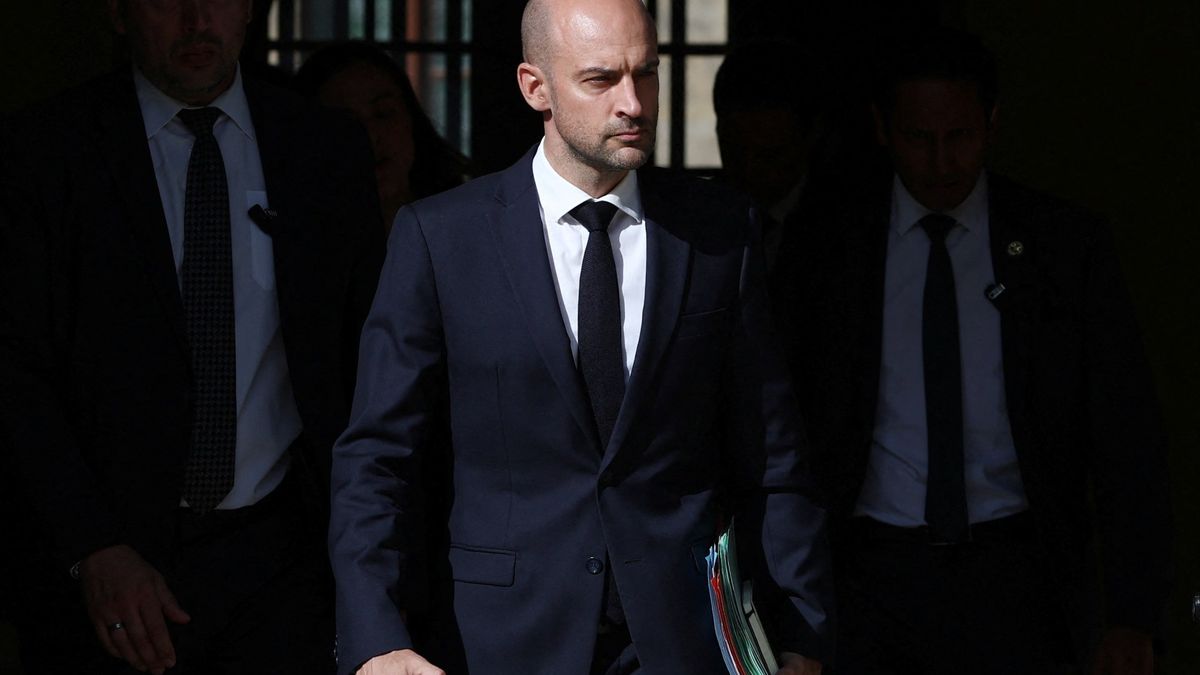
On 20 September 2026, Iran’s judiciary ordered the closure of the French Language Centre (CLF) in Tehran, branding it an illegal operation that violated diplomatic conventions. French Foreign Minister Jean‑Noël Barrot responded by demanding that Iran’s ambassador in Paris be summoned and warned of “appropriate measures.” The move follows a July incident in which two French embassy staff were assaulted and earlier detentions of French diplomats on espionage accusations.
Both capitals are leveraging cultural institutions as extensions of state power. For France, language centres serve as soft‑power outposts, fostering elite networks, promoting French culture, and subtly advancing economic interests through scholarships and business contacts. Iran, meanwhile, frames such centres as covert channels for foreign influence, especially given its tight control over elite mobility and information flow. By shutting the CLF, Tehran signals a willingness to curtail perceived external meddling, reinforcing domestic political narratives of sovereignty. Paris, in turn, uses diplomatic protest to signal that cultural retaliation will not go unanswered, preserving its broader strategy of maintaining a foothold in the Middle East despite sanctions and regional isolation. The episode also dovetails with Iran’s broader security posture: recent intelligence‑driven detentions of foreign diplomats and heightened scrutiny of NGOs illustrate a pattern of using legal mechanisms to pressure rival states while projecting internal resolve.
The closure directly impacts Iranian teachers, students, and administrative staff who relied on the centre for stable wages and language skills that could open doors abroad. Many students, often from modest backgrounds, saw the CLF as a pathway to scholarships or overseas employment; its loss narrows already limited avenues for socioeconomic mobility. French expatriates and embassy personnel also face heightened insecurity, as the July assault on two staff members demonstrated the tangible risk of operating in Tehran. Moreover, Iranian civil society observers note that the crackdown tightens the state’s grip on cultural exchange, limiting the flow of ideas that could challenge official narratives. The broader Iranian public, already burdened by economic hardship and sanctions, now confronts another reduction in soft‑power resources that previously offered a glimpse of the outside world.
Official statements from both ministries focus on “illegal acts” and “unjustifiable attacks,” but they gloss over the strategic calculus behind the centre’s activities. French officials rarely acknowledge that language programmes double as intelligence‑gathering platforms, cultivating contacts among Iran’s technocratic elite who may later facilitate business deals or diplomatic overtures. Conversely, Tehran’s public justification sidesteps the reality that the centre’s closure also serves a domestic political purpose: rallying nationalist sentiment ahead of upcoming parliamentary elections and diverting attention from economic grievances. The narrative of “protecting diplomatic conventions” masks a broader intent to signal to other Western cultural institutions that Tehran will not tolerate perceived subversion, potentially chilling future cultural diplomacy.
Watch for a reciprocal diplomatic move from France, such as the expulsion of Iranian diplomats or the suspension of cultural programmes in Paris. Parallel developments may surface in other European capitals, where similar language centres operate under the radar of security services. In Tehran, monitor any legal actions against Iranian citizens who participated in the CLF, as prosecutions could serve as a warning to others. Finally, the episode may influence broader negotiations on Iran’s nuclear dossier and regional security talks; both sides could use cultural leverage as bargaining chips, making the fate of language centres a barometer for the health of Franco‑Iranian relations in the months ahead.
Editor's Note: Analysis based on publicly reported statements; details of the centre’s operations remain opaque.
Source referenced: ALJAZEERA
This brief was synthesized by our Editorial Engine and reviewed by The Ground Narrative team.


