TRENDING

Sunday, 4 October 2026
----------------------
23 Rabi' Al-Thani 1448 AH
The Trump administration has reiterated its firm stance against the International Criminal Court (ICC), declaring any attempt to assert jurisdiction over US citizens a "direct affront" to national sovereignty. This latest diplomatic salvo underscores a persistent tension between US foreign policy and international legal frameworks, particularly as the ICC pursues investigations into alleged war crimes involving US allies.
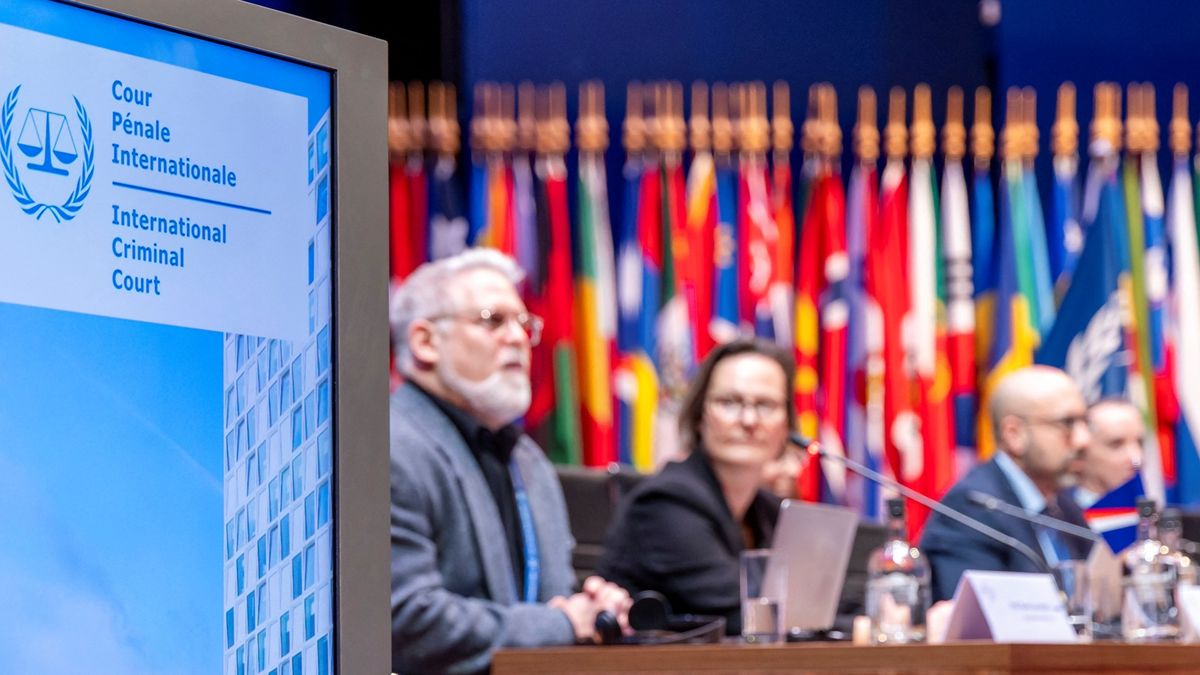
The administration of United States President Donald Trump has once again publicly denounced the International Criminal Court (ICC), reaffirming its position that any effort by the court to assert authority over US citizens would be considered a "direct affront" to American sovereignty. This declaration, conveyed in a letter from acting US Attorney General Todd Blanche to ICC President Tomoko Akane, while not introducing new policy, signifies a continued hardline approach against the international judicial body.
Issued on July 2, 2026, and dated June 29, the letter underscores a long-standing point of contention: the US is not a signatory to the Rome Statute, the ICC's foundational treaty, and therefore maintains that its citizens are not subject to the court's jurisdiction. However, critics and proponents of international law argue that actions by US personnel on the territory of signatory states could potentially fall under the ICC's purview, a position the US vehemently rejects.
The Trump administration's renewed pressure on the ICC is deeply rooted in geopolitical considerations, particularly the protection of US personnel and its strategic allies from international legal scrutiny. This stance is not entirely new; both Democratic and Republican administrations have historically resisted ICC investigations involving US citizens. However, the Trump administration has escalated this resistance, implementing a series of sanctions against ICC judges, prosecutors, and even organizations that assist in investigations targeting US citizens and allies.
A significant driver behind this aggressive posture is the ICC's pursuit of war crimes investigations related to Israel. In November 2024, the ICC issued arrest warrants for Israeli Prime Minister Benjamin Netanyahu and former Israeli Defence Minister Yoav Gallant for alleged war crimes committed during Israel's conflict in Gaza. Warrants were also issued for several top Hamas officials. Israel, like the US, is not a party to the Rome Statute, though Palestine is, and has similarly rejected the court's authority. The US has explicitly linked its sanctions against the ICC to the court's "actions" targeting "America and our close ally Israel," as stated in a February 2025 executive order.
Blanche's letter accused the ICC of pursuing "investigations that appear driven as much by political pressure and institutional self-interest as by legal merit," a claim that reflects the US administration's perception of the court's impartiality and legitimacy when its interests or those of its allies are involved.
The ongoing US pressure on the ICC has profound implications for the international legal order and global diplomacy. By actively undermining the court's authority and imposing sanctions, the US risks weakening the very institutions designed to hold individuals accountable for grave international crimes, such as genocide, war crimes, and crimes against humanity. This approach can be seen as setting a precedent that powerful nations can selectively engage with or reject international legal mechanisms based on their national interests, potentially eroding the principle of universal jurisdiction.
Furthermore, the timing of this latest communication is notable. It follows a lawsuit filed by three ICC judges in a Manhattan federal court, challenging the Trump administration's sanctions as an attempt to exert extrajudicial pressure and coerce the court. The letter also comes months after New York City Mayor Zohran Mamdani suggested using local authorities to arrest Netanyahu if he visited the city, highlighting the domestic and international complexities surrounding the ICC's warrants.
The persistent tension between the US and the ICC reflects a fundamental clash between national sovereignty and the evolving framework of international criminal justice. While the US maintains its right to protect its citizens and allies from what it deems illegitimate jurisdiction, the ICC continues to assert its mandate to investigate and prosecute the most serious international crimes, irrespective of the nationality of the alleged perpetrators, particularly when crimes occur on the territory of signatory states.
This dynamic is likely to continue shaping international relations, influencing the willingness of other nations to cooperate with the ICC, and potentially impacting the court's effectiveness in delivering justice. The US stance, while consistent with its historical position of non-ratification of the Rome Statute, represents a significant challenge to the global effort to establish accountability for atrocities and uphold the rule of law on an international scale.
Source referenced: ALJAZEERA
This brief was synthesized by our Editorial Engine and reviewed by The Ground Narrative team.