TRENDING

Tuesday, 6 October 2026
----------------------
25 Rabi' Al-Thani 1448 AH
The United States is significantly increasing its military presence in the Middle East, deploying a third aircraft carrier strike group and thousands of additional troops. This move comes as negotiations with Iran remain stalled and US President Donald Trump issues renewed threats, linking the pressure to upcoming midterm elections.
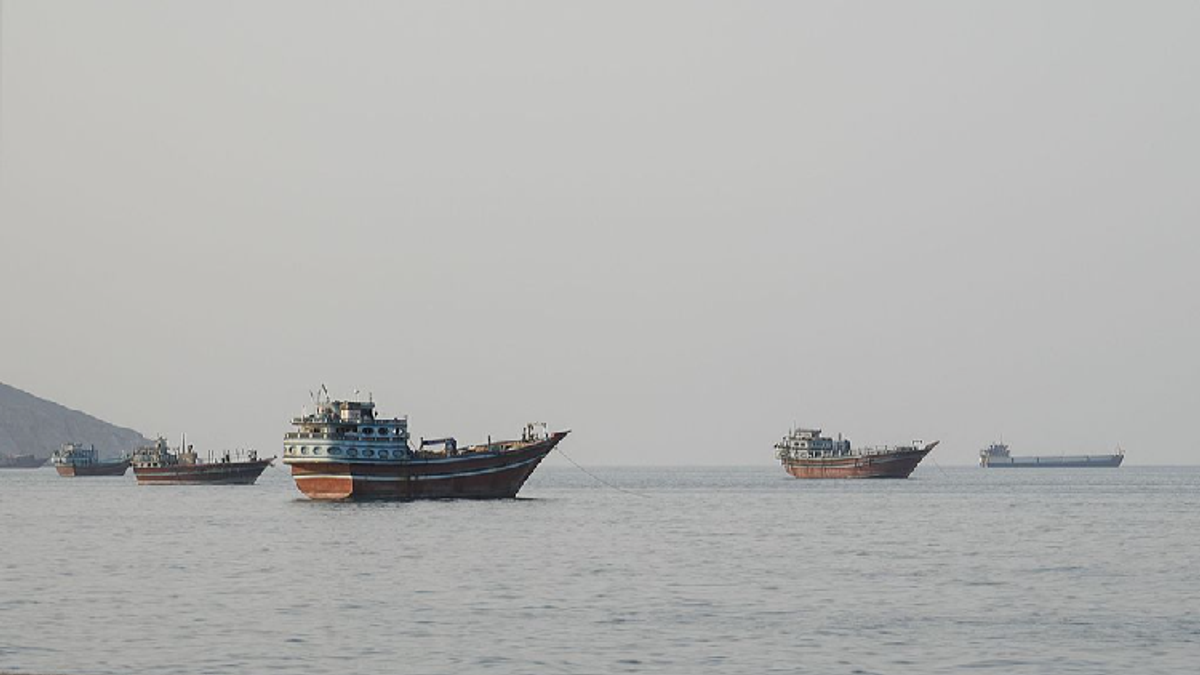
The United States is deploying a third aircraft carrier strike group and an additional 9,000 to 10,000 troops to the Middle East. This significant military buildup, which includes additional Marine Corps ships and jet fighters, could bring the total number of US carrier strike groups in the region to three simultaneously, a presence not seen since April. The deployment unfolds amidst stalled negotiations with Iran and renewed threats from US President Donald Trump, who has stated that Iran "won't exist any longer" unless it agrees to a "very fair deal," explicitly linking the intensified pressure to the upcoming US midterm elections.
The deployment of a third carrier strike group is a potent display of military power, signaling a clear intent to coerce Iran into concessions. This move is less about immediate military action and more about a calculated strategy of coercive diplomacy, heavily influenced by the US domestic political calendar. For the Trump administration, securing a perceived foreign policy victory – such as Iran returning to the negotiating table under US terms, potentially leading to the reopening of the Strait of Hormuz and a subsequent easing of international oil prices – could be a significant boost ahead of the midterm elections. A diplomatic breakthrough, or even the appearance of one, could be leveraged to demonstrate strength and effectiveness to the American electorate.
The structural forces at play reveal a complex interplay of political survival, economic leverage, and military doctrine. The US seeks to exploit Iran's perceived vulnerabilities, particularly its economic challenges exacerbated by sanctions, to force a rapid resolution. The presence of multiple carrier strike groups provides a wide range of military options, from enhanced surveillance and deterrence to the capacity for large-scale offensive operations, should the diplomatic pressure fail. This military posture is designed to leave Tehran with the impression that its options are narrowing, pushing it towards a deal on Washington's terms.
Iran, for its part, is navigating a precarious balance. While it has proposed negotiations and submitted its own plan, indicating a desire to avoid direct confrontation, it simultaneously resists capitulation. The Iranian leadership's calculus involves maintaining national sovereignty and internal stability, which could be undermined by appearing to buckle under external pressure. The regime's survival hinges on projecting strength to both its domestic audience and regional rivals. Its willingness to engage in diplomacy, even while rejecting US terms, suggests a strategy to buy time, seek international mediation, and potentially exploit divisions within the international community regarding the US's maximalist approach.
Regional actors like Saudi Arabia and the United Arab Emirates are caught in this high-stakes game. While they generally welcome US pressure on Iran, they also face the immediate and potentially devastating consequences of any military escalation. Their own security and economic interests are deeply intertwined with the stability of the Persian Gulf and the unimpeded flow of oil through the Strait of Hormuz. Their quiet diplomacy and public statements will reflect this delicate balance, seeking to support US objectives without becoming direct targets in a broader conflict.
The immediate and long-term human cost of this heightened military posture falls disproportionately on the ordinary citizens of the Middle East, particularly those in Iran and neighboring Gulf states. The very real threat of military confrontation, whether by design or miscalculation, casts a long shadow over daily life, eroding stability and fostering pervasive anxiety.
The presence of such a formidable military armada in a volatile region significantly increases the risk of accidents, misinterpretations, or localized incidents spiraling into a broader conflict. For millions of people living near critical chokepoints like the Strait of Hormuz or in countries bordering Iran, this means living under constant apprehension. Trade routes become riskier, insurance premiums for shipping skyrocket, and foreign investment dries up, directly impacting local economies and job markets. Families delay long-term planning, and the psychological toll of living on the brink of war is immense.
For the people of Iran, the situation is particularly dire. Already grappling with severe economic sanctions that have crippled their currency, fueled inflation, and limited access to essential goods and medicines, the threat of military action adds another layer of profound hardship. A conflict would inevitably lead to loss of life, widespread destruction of infrastructure, and a humanitarian crisis, further isolating the nation and its people. Even without direct military engagement, the constant state of political tension and the fear of an impending war exacerbate existing social and economic grievances, making daily survival a struggle for many.
Any significant military conflict in the Persian Gulf would almost certainly trigger massive displacement, creating new waves of refugees and internally displaced persons. Neighboring countries, already strained by existing refugee populations, would face an overwhelming humanitarian challenge. The human stories behind these statistics are of families torn apart, livelihoods destroyed, and futures irrevocably altered, all consequences of decisions made by powerful actors far removed from their daily realities.
Beyond the regional population, the 9,000 to 10,000 additional US service members deployed to the region, along with those already present, face direct and immediate risks. Their families back home endure the stress and uncertainty of their loved ones being in a potential combat zone. The human cost extends to the psychological and physical burdens carried by those who serve, often long after their deployments conclude.
What often goes unsaid or is deliberately downplayed by official statements is the true nature of the current escalation and its potential long-term ramifications. Governments, particularly the US administration, tend to frame such deployments in terms of deterrence or routine operations, obscuring the deeper political motives and the inherent risks.
The most significant untold story here is the explicit link between the US midterm elections and a major foreign policy decision. While the US government will likely emphasize national security interests and regional stability, the raw intelligence clearly points to a desire for a pre-election
The US is deploying a third aircraft carrier strike group and thousands of troops to pressure Iran into concessions amid stalled negotiations. This move is also linked to upcoming US midterm elections, aiming to secure a foreign policy win for the administration.
The Strait of Hormuz is a critical chokepoint for global oil shipments. The US hopes that pressuring Iran could lead to a deal that ensures its continued openness, potentially easing international oil prices, which is a key economic and political objective.
The increased military presence raises the risk of conflict, which could lead to loss of life, infrastructure damage, and humanitarian crises in Iran and neighboring countries. It also creates economic instability, disrupts trade, and causes significant anxiety for regional populations and deployed US service members.
Editor's Note: Analysis treats the provided 2026 raw intelligence as a current event for the purpose of geopolitical analysis.
Source referenced: CGTN
This brief was synthesized by our Editorial Engine and reviewed by The Ground Narrative team.