TRENDING

Tuesday, 6 October 2026
----------------------
25 Rabi' Al-Thani 1448 AH
Since September 2025 the United States has launched 70 strikes on vessels it labels as “narcoterrorist” boats, killing 235 people across the Caribbean and Pacific. The operation raises questions about evidence, accountability, and the communities caught in the crossfire.
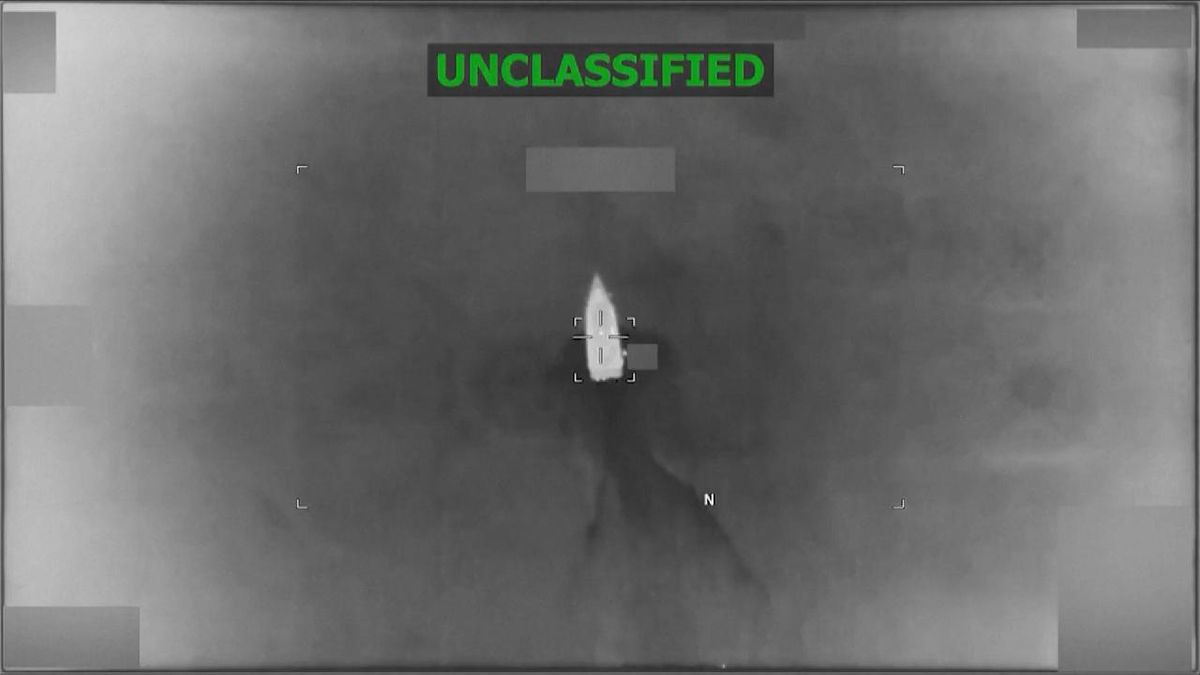
On October 4, 2026 a U.S. military strike in the Caribbean Sea hit a small vessel suspected of smuggling narcotics, killing four people on board. According to U.S. Southern Command, the operation was part of a broader campaign that began in September 2025 under the Trump administration, targeting 70 boats in the Caribbean and Pacific and resulting in 235 deaths. The official narrative frames the targets as "narcoterrorists" linked to transnational drug networks, yet the administration has offered little public evidence to substantiate each strike.
The timing of the campaign coincides with a surge in anti‑drug rhetoric ahead of the 2026 mid‑term elections. By portraying drug smuggling as a national security threat, the administration can rally support from constituencies that prioritize law‑and‑order policies, while diverting attention from other contentious issues such as immigration reform and fiscal deficits. The strikes also provide a visible demonstration of the U.S. military’s readiness, reinforcing the narrative that the executive branch remains the ultimate guarantor of domestic safety.
Southern Command benefits from expanded operational latitude. Each successful strike adds to the command’s performance metrics, justifying budget allocations for surveillance assets, unmanned aerial systems, and forward‑deployed naval platforms. The defense industrial base, especially contractors supplying drones and targeting software, stands to profit from a sustained tempo of low‑intensity engagements.
By conducting operations in the Caribbean Sea and the Pacific Ocean, the United States signals to regional partners—such as Colombia, Panama, and the Philippines—that it will unilaterally intervene when drug routes intersect U.S. interests. This approach sidesteps multilateral drug‑control frameworks and reinforces a unilateral security doctrine that can be leveraged in other contested domains, from the South China Sea to the Arctic.
Fishermen and small‑scale traders who rely on the same waterways now face heightened risk of being caught in crossfire. In coastal towns of Honduras and the Dominican Republic, reports indicate a decline in daily catches as boat owners avoid routes deemed “high‑risk,” leading to income loss for families already grappling with poverty.
The 235 individuals killed include not only alleged smugglers but also crew members who may have been coerced or unaware of the cargo’s nature. Their widows and children often lack access to compensation or legal recourse, compounding trauma with economic insecurity. In some cases, local NGOs report that families receive only vague promises of “investigation” from U.S. officials, leaving them in a legal limbo.
Disruption of legitimate maritime commerce hampers the delivery of medical supplies to remote islands in the Pacific. When supply boats are delayed or rerouted, vaccination campaigns and emergency medical evacuations suffer, indirectly increasing morbidity and mortality in already vulnerable populations.
While the administration cites “intelligence” to justify each strike, the specifics of that intelligence remain classified. Independent journalists and human‑rights observers have been denied access to after‑action reports, making it impossible to verify whether the vessels were actively transporting illicit drugs at the moment of engagement.
International law permits self‑defense against imminent threats, but the definition of “imminent” is stretched when targeting civilian‑type boats on open seas. The United States has not sought a United Nations Security Council resolution for these operations, effectively bypassing multilateral oversight and raising questions about the legality of extraterritorial lethal force.
The surge in demand for high‑resolution maritime surveillance satellites and AI‑driven targeting algorithms aligns with the timeline of the strikes. Critics argue that the drug‑boat campaign serves as a convenient market‑creation tool for defense firms, a point the White House consistently downplays by emphasizing national security imperatives.
The next phase of the campaign will likely hinge on two variables: congressional scrutiny and regional diplomatic pushback. As the 2026 elections approach, lawmakers may demand more transparency, potentially curbing the scope of strikes if public outcry grows. Simultaneously, Caribbean and Pacific nations are beginning to coordinate joint statements calling for an independent investigation, which could force the United States to adjust its operational posture or risk eroding strategic partnerships. Observers should monitor any shifts in the language of official briefings, the emergence of whistle‑blower testimonies, and the procurement patterns of defense contractors tied to maritime surveillance, as these will signal whether the strikes are a temporary political tool or a longer‑term fixture of U.S. security policy.
According to U.S. Southern Command, 235 people have been killed in 70 strikes on alleged drug boats across the Caribbean Sea and Pacific Ocean since September 2025.
The U.S. cites self‑defense against imminent threats posed by vessels it labels as "narcoterrorist" boats, but the lack of publicly disclosed evidence and absence of UN authorization make the legal basis contested.
Coastal fishing communities in the Caribbean and Pacific, families of the deceased, and remote island populations that rely on maritime transport for essential goods bear the greatest human and economic costs.
Editor's Note: Analysis based on publicly available statements and expert commentary; some operational details remain classified.
Source referenced: CGTN
This brief was synthesized by our Editorial Engine and reviewed by The Ground Narrative team.


