TRENDING

Tuesday, 6 October 2026
----------------------
25 Rabi' Al-Thani 1448 AH
Japan announced a trial purchase of drones from Ukraine’s SkyFall, marking a clear pivot toward a more proactive defense stance. The deal exposes shifting power balances in East Asia and the human stakes behind the technology.
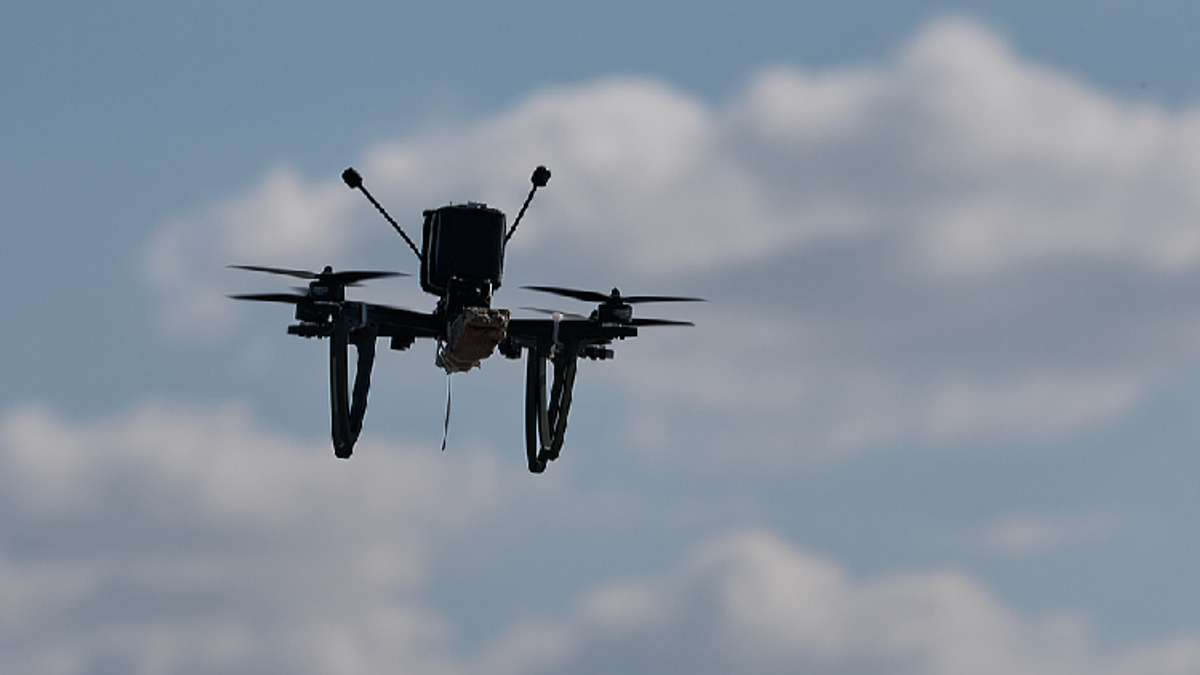
Former defense minister Itsunori Onodera travelled to Kyiv in early October and announced that Japan will buy a limited batch of Ukrainian‑made SkyFall drones on a trial basis. The procurement aims to test the platforms in Japanese conditions while opening a dialogue on deeper security cooperation with Ukraine. The visit also included tours of Ukrainian interceptor‑drone factories and electronic‑warfare labs, underscoring the commercial dimension of the deal.
Japan has long balanced a pacifist constitution against growing pressure from its United States ally to shoulder more regional security responsibility. By sourcing drones from a frontline combatant, Tokyo gains real‑time data on how small, low‑cost UAVs perform against modern air defenses—a lesson that cannot be replicated in simulations. The move also serves a domestic industrial agenda: Japanese defense firms can study the SkyFall design, adapt components, and potentially co‑produce next‑generation UAVs, feeding a nascent export market that the government hopes to cultivate.
Regionally, the purchase sends a signal to China and Russia that Japan is willing to blur the line between defensive procurement and offensive capability building. The United States, which has been urging its Asian partners to diversify supply chains away from Chinese tech, quietly welcomes the shift, as it reduces reliance on Beijing‑made drones that have proliferated across the Indo‑Pacific. Economically, the deal is modest in price, but it opens a channel for future contracts that could involve joint R&D, licensing fees, and a steady flow of Ukrainian‑origin parts into Japanese shipyards and ground‑force units.
The SkyFall factories in Kyiv and the surrounding region employ hundreds of engineers and assembly line staff who have been operating under constant threat of Russian air strikes. Increased foreign orders raise production tempo, stretching already‑scarce labor and exposing workers to heightened risk of bombardment and supply‑chain disruptions.
While the trial batch is small, the broader program will require substantial budget allocations for testing, integration, and eventual scaling. Japan’s public debt already exceeds 250 % of GDP, meaning every new defense line competes with social spending on health, education, and disaster relief. Rural municipalities, which bear the brunt of tax collection, may see a larger share of the fiscal burden.
If the drones prove effective, Japan may deploy them in contested maritime zones around the Senkaku/Diaoyu islands or the East China Sea. Their presence could raise the likelihood of misidentification incidents, potentially drawing civilian fishing fleets into a militarized zone and increasing the risk of accidental casualties.
Japanese officials publicly frame the purchase as a “trial” to sidestep Article 9 concerns, but the narrative downplays a growing faction within the Liberal Democratic Party that seeks to reinterpret the pacifist clause. Lawmakers opposed to any expansion of offensive capability are largely absent from the press briefings, suggesting a deliberate omission of internal dissent.
Washington’s diplomatic cables, leaked in recent months, reveal that senior State Department officials urged Tokyo to “show tangible support for Kyiv” as a way to cement the trilateral security triangle with Australia and India. The public statements from both capitals focus on “defense cooperation,” masking a deeper intent to create a coordinated procurement network that can outpace Chinese drone exports.
State media in China have already labeled the move as “militarization” and a step toward forming a “military‑political bloc” in the region. However, the coverage omits the fact that Chinese firms are simultaneously courting Japanese shipbuilders for autonomous surface‑ship systems, indicating a parallel commercial competition that the official narrative does not acknowledge.
The next six months will reveal whether the trial drones pass performance benchmarks and move into full‑scale acquisition. Key indicators include a joint Japan‑Ukraine test flight report, any amendment to Japan’s defense budget earmarking UAV development, and the reaction of the Japanese Diet to a possible amendment of Article 9. Equally important will be the response from China—whether it accelerates its own UAV sales to Southeast Asian partners—or from Russia, which may use the procurement as a pretext to increase its own drone exports to the Pacific. Observers should also monitor public opinion polls in Japan, as rising defense spending could become a flashpoint in upcoming local elections.
Stay alert for official procurement contracts, parliamentary debates, and any shifts in the U.S.–Japan security dialogue that reference Ukrainian technology. These signals will indicate whether Japan’s trial purchase is a one‑off experiment or the first step toward a broader re‑arming of its Self‑Defense Forces.
Japan wants real‑world data on low‑cost UAV performance, a boost for its domestic defense industry, and a way to demonstrate alignment with Western allies amid rising regional threats.
The trial is framed as defensive, but successful testing could pave the way for broader procurement, prompting debates over reinterpretations of Article 9 that restrict offensive capabilities.
If deployed near contested islands, the drones could increase the chance of accidental engagements with fishing vessels or civilian aircraft, raising the risk of non‑combatant casualties.
Source referenced: CGTN
This brief was synthesized by our Editorial Engine and reviewed by The Ground Narrative team.


