TRENDING

Tuesday, 6 October 2026
----------------------
25 Rabi' Al-Thani 1448 AH
South Africa has launched a sweeping anti‑corruption drive at its ports of entry, targeting officials who facilitate tax evasion, illegal goods, and fraudulent visas. The campaign promises tougher discipline, but ordinary people and small businesses bear the immediate fallout.
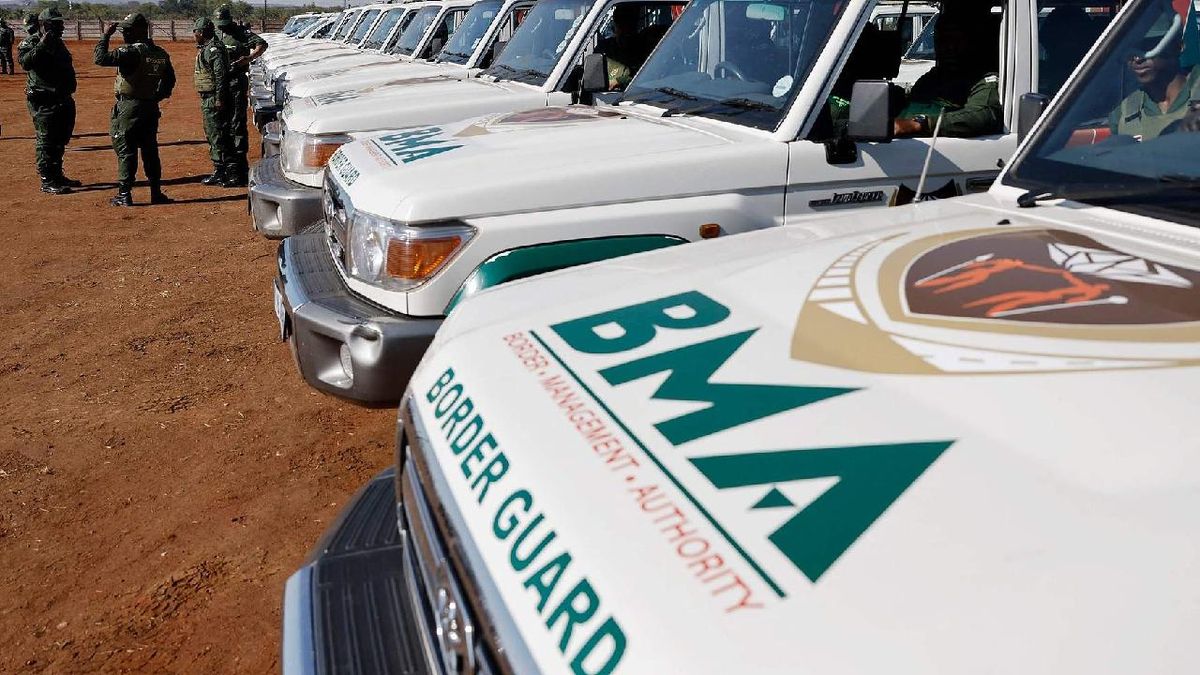
South Africa announced a new wave of disciplinary actions against border officials after the Border Management Authority (BMA) logged 57 cases of fraud, corruption and misconduct in the last quarter, with 33 more pending. The crackdown was highlighted at a quarterly anti‑corruption forum at O.R. Tambo International Airport, where the BMA commissioner, Michael Masiapato, and representatives from the Special Investigating Unit, Home Affairs and the National Prosecuting Authority pledged dismissals, criminal charges and tighter controls.
The corruption at South Africa’s borders is not an isolated problem; it is woven into the country’s broader fiscal and political fabric. Border officials, customs agents and immigration officers wield discretionary power over duties, visa approvals and cargo inspections. This discretion creates rent‑seeking opportunities that feed patronage networks linked to political elites who benefit from informal revenue streams.
- Economic incentives: Illicit fees and bribes supplement under‑funded border budgets, allowing officials to supplement low salaries while providing a steady cash flow to local power brokers.
- Political survival: For senior politicians, especially within the African National Congress, tolerating a “marketplace” for permits helps secure campaign contributions and loyalty from business interests that rely on smooth cross‑border movement.
- Alliance math: South Africa’s trade ties with neighboring SADC states and its role in the Southern African Development Community mean that any hardening of border controls reverberates across regional supply chains, influencing diplomatic negotiations and trade agreements.
- Security doctrine: The government frames the crackdown as part of a comprehensive migration management strategy, aligning with global trends that conflate immigration control with national security, thereby justifying expanded surveillance powers.
These forces converge to make corruption both a symptom and a tool of statecraft, allowing entrenched actors to extract value while maintaining a veneer of reform.
Local traders who depend on cross‑border trade now face longer clearance times and stricter document checks. While the government promises to curb illegal fees, the immediate effect is a rise in operating costs for informal market sellers who cannot absorb delays or extra paperwork.
The recent exposure of over 2,000 fraudulent study visas highlights how vulnerable migrants are exploited by syndicates that sell false documents. Many of those students, now facing cancellation, risk losing tuition fees, housing and legal status, thrusting them into precarious limbo.
Towns like Musina, a key gateway to Botswana, experience heightened police presence and random checks that disrupt daily commutes. Residents report increased wait times at border posts, affecting access to health services, education and family visits across the border.
Repeated scandals erode confidence in state institutions. Citizens who already view the immigration system as a “marketplace” become more skeptical of any announced reforms, which can fuel social unrest and diminish compliance with future policies.
While officials are being disciplined, the narrative downplays the role of private logistics firms and freight forwarders who profit from opaque customs procedures. These companies often have close ties to political donors, allowing them to shield illicit practices behind legitimate operations.
South Africa’s crackdown coincides with renewed scrutiny from the European Union and United States, which have linked trade preferences to anti‑corruption standards. The government’s public statements emphasize sovereignty, but they omit how external aid and market access incentives shape the timing of reforms.
Official reports focus on the number of disciplinary cases, yet they rarely disclose the monetary value of recovered bribes or the scale of disrupted illicit trade. This omission makes it difficult for civil society to assess whether the crackdown delivers substantive fiscal gains or merely serves as a political showcase.
The description of the immigration system as a “marketplace” suggests a passive, almost inevitable condition. What is left out is the active role of organized crime networks that coordinate with corrupt officials to traffic people, drugs and contraband, leveraging the same discretionary powers the BMA now claims to police.
Observers should monitor three developing strands: first, the outcome of the pending 33 disciplinary cases—whether they result in convictions or are quietly dismissed; second, the impact on regional trade flows, especially between South Africa and its SADC neighbors, as tighter controls could shift routes to less regulated corridors; and third, the response of international partners, who may tie future trade benefits to measurable reductions in border corruption. Tracking these indicators will reveal whether the crackdown is a genuine systemic overhaul or a short‑term political maneuver.
The crackdown focuses on bribery for routine services, fraudulently issued visas, collusion to evade duties, and facilitation of illicit goods by border guards, customs officials and port operators.
Travelers may face longer processing times and stricter document checks, while traders could encounter higher clearance costs and delays that squeeze profit margins, especially for small businesses reliant on quick cross‑border movement.
Yes, the European Union and United States have linked trade preferences to anti‑corruption standards, prompting South Africa to showcase reforms that align with external expectations while emphasizing national sovereignty.
Source referenced: CGTN
This brief was synthesized by our Editorial Engine and reviewed by The Ground Narrative team.


