TRENDING

Tuesday, 6 October 2026
----------------------
25 Rabi' Al-Thani 1448 AH
President Trump announced he will stop using federal money for TV spots that praise him, shifting the cost to his MAGA PAC. The move sparks a clash over campaign finance, media influence, and who really pays for political messaging.
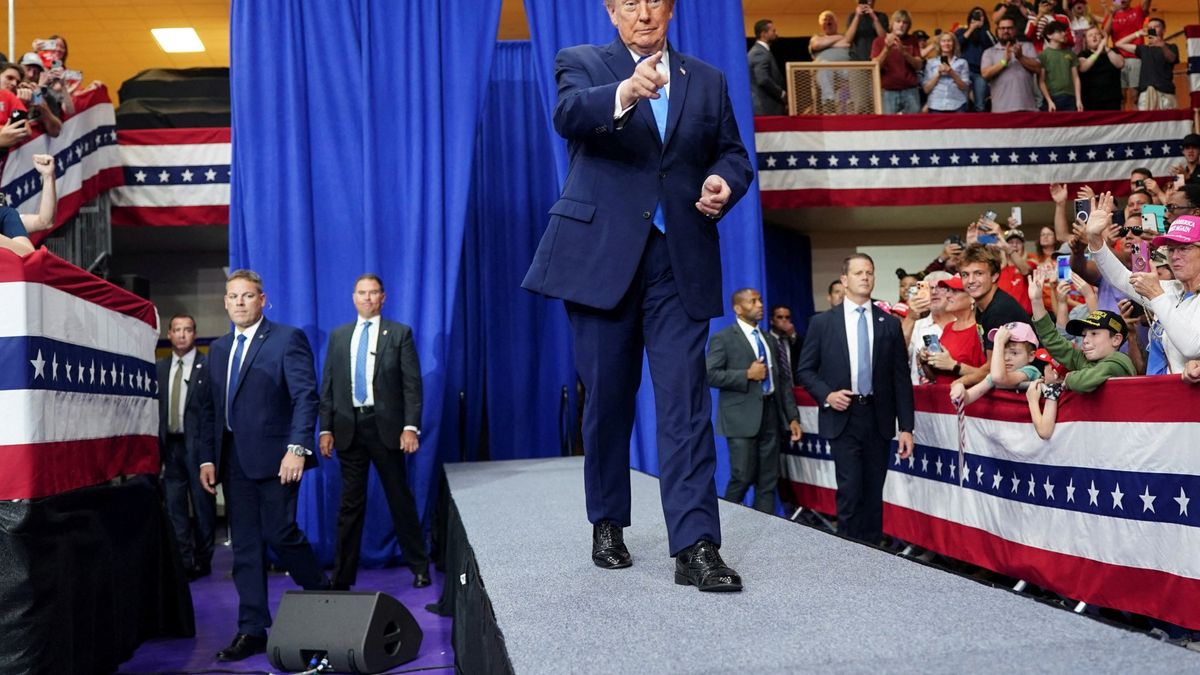
President Donald Trump announced on social media that future television advertisements praising his administration will no longer be paid for with federal funds. The ads, which have already cost at least $1.5 million, were broadcast during high‑profile programming such as NFL games ahead of the November midterm elections. Trump framed the spots as a “positive promotion for our Great U.S.A.” but said the financing will now come from his MAGA PAC, which reported a cash balance exceeding $400 million at the end of July. The decision follows bipartisan criticism, a call for an independent probe by California Attorney General Rob Bonta, and a refusal by FCC Chair Brendan Carr to open an investigation.
The episode sits at the intersection of three institutional levers: executive budgeting, campaign finance law, and regulatory oversight. First, the White House redirected roughly $20 million from the Homeland Security Department to the ad buys, exploiting a discretionary line that is rarely scrutinized. By labeling the spots as “public service announcements,” the administration sidestepped the usual procurement safeguards that apply to overtly political messaging. Second, the shift to the MAGA PAC converts a public‑budget line into a private fundraising tool, allowing the president to claim fiscal responsibility while still reaping the promotional benefits. The PAC’s massive war chest, built on small‑donor contributions and high‑value bundling, can now absorb the cost without triggering the same disclosure thresholds that apply to direct campaign expenditures. Third, the FCC—currently led by a Trump‑appointed chair—has signaled regulatory tolerance by dismissing calls for an inquiry, effectively granting the White House a de‑facto exemption from broadcast fairness rules. Together, these mechanisms illustrate how a single office can repurpose public resources, blur the line between government communication and campaign advertising, and rely on a sympathetic regulator to keep the arrangement opaque.
- Taxpayers: The initial $1.5 million came directly from the federal budget, meaning every American contributed to a message that glorified a single political figure. Even after the shift to private funding, the precedent normalizes the expectation that public money will be used for partisan promotion, potentially inflating future budget requests.
- Midterm voters: The ads aired during widely watched events, shaping voter perceptions at a critical juncture. By presenting a curated narrative—“America will never be a communist country,” “love me”—the spots crowd out competing viewpoints, limiting the informational space that voters rely on to make informed choices.
- Media workers: Production crews, local stations, and advertising agencies received payment for the spots, but the underlying financing controversy threatens job stability. If future administrations face legal challenges or stricter oversight, the revenue stream for these ancillary workers could evaporate, leaving a segment of the media ecosystem financially vulnerable.
While the president touts the move as fiscal prudence, the underlying structure exploits a gray area in the campaign finance loopholes that separate government communication from electioneering. By routing money through a PAC, the administration avoids the contribution limits that would otherwise apply to direct campaign spending, effectively turning the federal budget into a back‑door donor.
The ads were placed in premium slots—football games, prime‑time shows—where ad rates are highest. This not only guarantees maximum exposure but also inflates the cost of political advertising across the board, pressuring opponents who lack comparable private war chests to spend disproportionately more to compete for the same audience.
Official statements frame the decision as a “stop‑gap” to address criticism, yet they downplay the broader implication: a precedent that normalizes the use of taxpayer dollars for personal political branding. The lack of an independent investigation, bolstered by a partisan FCC chair, signals to the public that oversight mechanisms can be sidestepped when political stakes are high, deepening cynicism toward democratic institutions.
- Independent investigations: Whether the California Attorney General’s probe gains traction, and if any congressional committees launch parallel reviews, will indicate the durability of the oversight gap.
- Future ad spending: Tracking the MAGA PAC’s financial disclosures will reveal how quickly private funds replace public ones, and whether other offices adopt similar financing models.
- Legal challenges: Potential lawsuits from watchdog groups or opposition candidates could force courts to interpret the line between government communication and campaign advertising, setting a precedent that will shape future election cycles.
- Regulatory shifts: A change in FCC leadership after the 2026 midterms could reopen the door to investigations, altering the risk calculus for any administration that contemplates using public money for self‑promotion.
- Voter response: Polling on public perception of government‑funded political ads will gauge whether the electorate views the practice as an abuse of power or a benign informational effort, influencing how future administrations balance messaging with accountability.
The White House routed money from the Homeland Security budget into TV spots, labeling them as public service announcements, which allowed the use of federal funds for political messaging.
It converts public money into private fundraising, bypassing contribution limits and setting a precedent that could normalize partisan use of government resources, affecting how voters receive information.
Source referenced: ALJAZEERA
This brief was synthesized by our Editorial Engine and reviewed by The Ground Narrative team.