TRENDING

Tuesday, 6 October 2026
----------------------
25 Rabi' Al-Thani 1448 AH
A regional survey shows that nearly half of ASEAN citizens worry about higher electricity bills as the green shift accelerates. The analysis uncovers who pays, who profits, and what hidden forces shape the debate.
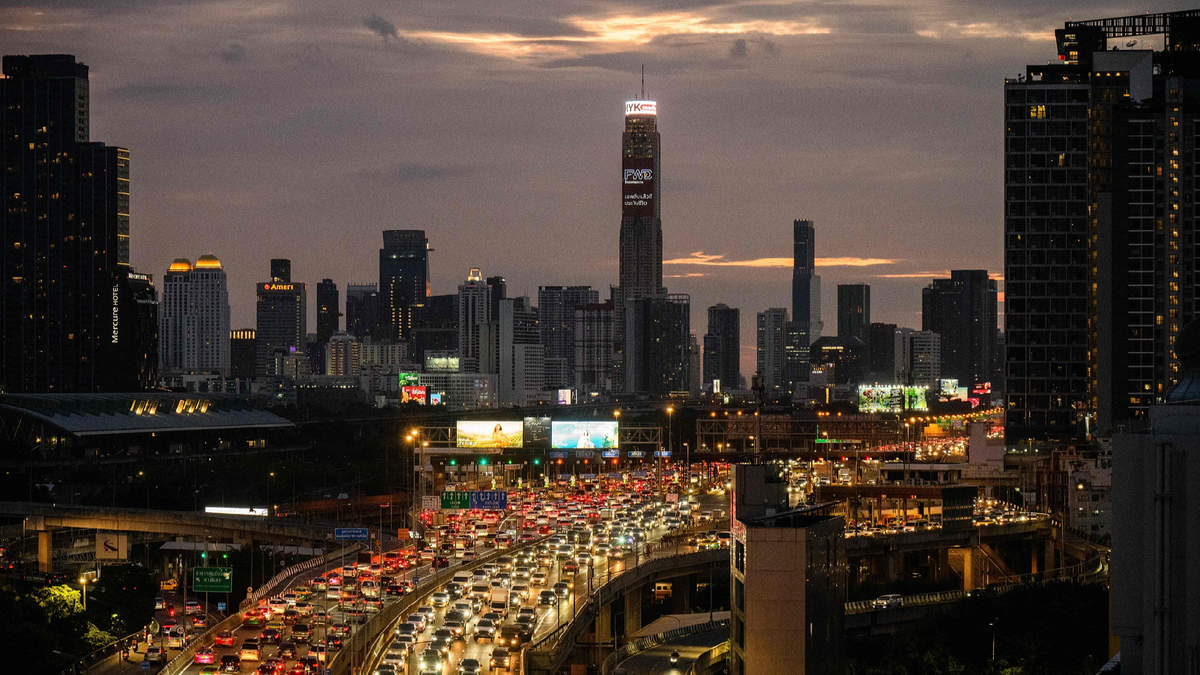
The Southeast Asia Climate Outlook Survey 2026 found that 44.6% of respondents across 11 ASEAN states list surging energy prices and living costs as their top worry. Energy shortages rank second at 26.1%, up from 20.3% in 2024, reflecting recent shocks and geopolitical turbulence.
The transition to renewable energy is being driven by a mix of international climate pledges, domestic political calculations, and the strategic interests of fossil‑fuel exporters. Governments in Indonesia, Vietnam, and Thailand have pledged net‑zero targets, but the timing of subsidies and tax incentives is calibrated to avoid immediate voter backlash.
In many capitals, ministries of energy are caught between two competing audiences: multinational investors who demand clear policy roadmaps, and local constituencies that feel the sting of higher electricity tariffs. The ISEAS‑Yusof Ishak Institute report shows that policymakers are using short‑term price caps to blunt public anger, while quietly allowing long‑term power purchase agreements (PPAs) to lock in higher renewable tariffs.
Regional power grids, such as the ASEAN Power Grid (APG), add another layer of complexity. Cross‑border electricity trade can smooth peaks, but it also creates dependency on countries that still rely heavily on coal or imported gas. As Malaysia and Singapore push for greener imports, they inadvertently raise the cost of balancing supply, a cost that ultimately lands on end‑users.
External actors play a subtle role. Chinese state‑owned firms are financing solar farms in the Philippines and Laos, while Japanese banks back offshore wind projects in Thailand. Their capital inflows are welcomed, yet they come with financing terms that can embed higher repayment obligations for utilities, which are passed down the chain as consumer rates.
Finally, the global commodity market remains a wild card. Recent spikes in natural gas prices—triggered by supply constraints in the Middle East and the lingering effects of the Ukraine conflict—have forced many ASEAN utilities to hedge with expensive contracts, inflating the baseline cost of electricity generation.
In megacities like Bangkok and Manila, rising electricity bills translate directly into higher transport costs, as electric buses and metro systems depend on pricier power. Low‑income workers, who already allocate a large share of income to housing, now see a larger slice eaten by utilities, squeezing disposable income for food and health.
Off‑grid households in Cambodia and Timor‑Leste rely on diesel generators for irrigation pumps. As diesel prices climb, farmers face a double bind: higher production costs and reduced competitiveness in regional markets. Some are forced to abandon cash crops, threatening food security and rural livelihoods.
Family‑run shops and street vendors in Vietnam report that operating lights and refrigeration during peak hours has become a marginal profit killer. Many are unable to invest in energy‑efficient appliances, leaving them stuck with outdated equipment that consumes more power and drives up operating expenses.
Official statements often highlight the environmental benefits of the green shift while glossing over the fiscal burden placed on ordinary citizens. What is less discussed is the growing debt exposure of state‑run utilities, which are borrowing heavily to fund renewable projects under international climate finance schemes.
Governments claim to be phasing out fossil‑fuel subsidies, yet the savings are frequently redirected to fund large‑scale solar parks owned by foreign corporations. The net effect is a transfer of public resources from direct household relief to corporate profit margins.
Energy‑rich neighbours such as Australia and Russia are leveraging their LNG exports to negotiate favorable trade terms with ASEAN members. While headline figures show diversified supply, the underlying contracts often include price‑escalation clauses tied to global market swings, leaving ASEAN buyers vulnerable.
The survey methodology itself masks regional disparities. While the aggregate figure of 44.6% is striking, it blends the experiences of affluent Singaporeans with those of impoverished Laotians. Policymakers can cite the average to claim broad consensus, while the most affected groups remain under‑represented in policy dialogues.
Watch for the next round of ASEAN Energy Ministers' Meetings, where the balance between renewable investment incentives and consumer price caps will be debated. A shift toward more aggressive price‑control mechanisms could signal political survival tactics ahead of upcoming elections in Indonesia and Philippines.
Monitor the rollout of the ASEAN Power Grid interconnections. If new transmission lines link coal‑heavy grids with greener neighbours, the price spill‑over effects will become clearer, potentially prompting renegotiations of cross‑border PPAs.
Finally, keep an eye on civil‑society movements demanding transparent tariff structures. In Thailand, protests over electricity bills have already prompted a parliamentary inquiry; similar grassroots pressure could force other governments to reconsider subsidy allocations and debt‑financing models.
The convergence of climate ambition, geopolitical maneuvering, and everyday affordability will define whether ASEAN’s energy transition lifts the region or deepens existing inequities.
Higher global gas prices, costly renewable project financing, and the removal of fossil‑fuel subsidies all push up the baseline cost of electricity for utilities, which is then passed to consumers.
Joining consumer advocacy groups, demanding transparent tariff calculations, and pushing for targeted subsidies for low‑income households are practical ways to mitigate the impact.
Source referenced: CGTN
This brief was synthesized by our Editorial Engine and reviewed by The Ground Narrative team.


