TRENDING

Wednesday, 23 September 2026
----------------------
12 Rabi' Al-Thani 1448 AH
A US federal judge has permanently blocked a key provision of former President Donald Trump's executive order requiring documentary proof of citizenship to vote, citing a lack of presidential authority. This ruling forces the administration to pursue its electoral reforms through a legislative path, intensifying the political battle over voting rights in Congress.
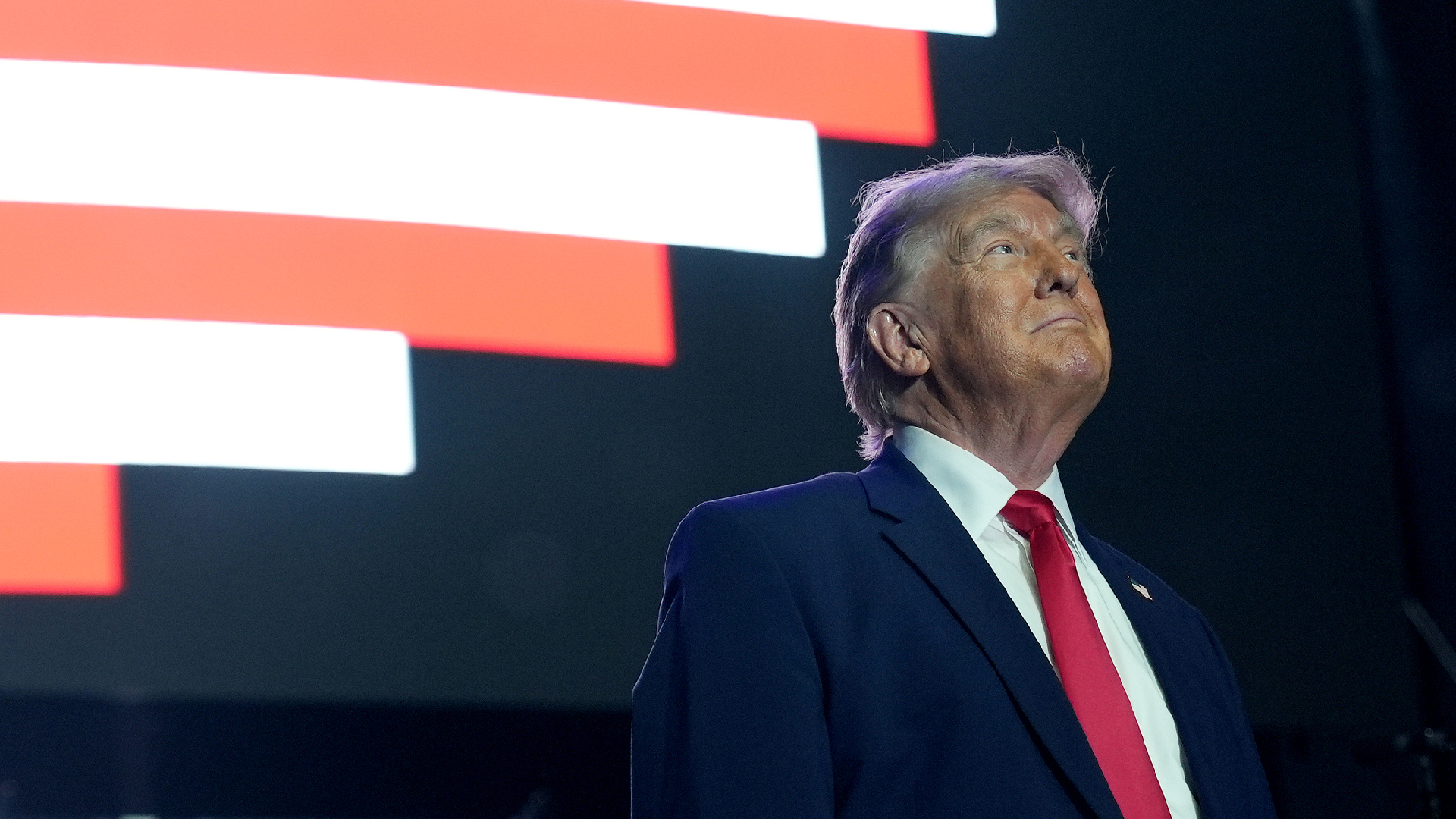
A significant judicial decision in the United States has permanently halted a key component of former President Donald Trump's electoral reform agenda. On June 25, 2026, a US federal judge in Boston issued a permanent injunction blocking the administration's requirement for voters to present documentary proof of citizenship when registering to vote, a provision central to Trump's first executive order on elections. This ruling converts a preliminary injunction from 2025 into a definitive ban, marking a substantial legal setback for efforts to tighten voter registration requirements.
The contested provision was part of an executive order signed by President Trump on March 25, 2025. Beyond the citizenship proof mandate, the order also sought to prevent mail ballots from being counted if they arrived after Election Day, even if postmarked by then, and threatened to withhold federal funds from states that failed to comply. These measures were part of a broader push by the Trump administration to overhaul election procedures, driven by concerns over alleged voter fraud. A subsequent executive order on March 31, 2025, aimed to create a nationwide list of verified eligible voters and further restrict mail-in voting, which also faced immediate legal challenges. Previous rulings had already barred the US Election Assistance Commission and the US Secretary of Defense from enforcing similar documentary proof requirements for national mail voter registration and military personnel.
US District Court Judge Denise Casper's ruling was unequivocal, rejecting the Trump administration's argument that the lawsuit, filed by attorneys general from 19 states, was premature. Judge Casper determined that the requirement for documentary proof of citizenship exceeded the President's constitutional authority and violated the National Voter Registration Act of 1993. In her judgment, she explicitly stated that the Constitution "does not grant the President any specific powers over elections," thereby affirming the limits of executive power in electoral matters. This decision underscores the judiciary's crucial role in upholding the separation of powers and ensuring that presidential actions adhere to established legal frameworks and constitutional principles.
The administration's pursuit of stricter voting requirements, such as proof of citizenship, is often framed by its proponents as a necessary measure to enhance election integrity and prevent voter fraud. However, critics, including the plaintiffs in this case, argue that such requirements disproportionately impact eligible citizens, particularly minority groups, low-income individuals, and the elderly, who may face significant barriers in obtaining the necessary documentation. Studies support this concern: a 2024 report by the Brennan Center for Justice indicated that approximately 9.1% of American citizens of voting age, or 21.3 million people, lack ready access to documents like a birth certificate or passport. A January 2025 study by the Center for American Progress further revealed that only about half of Americans possess a passport, and obtaining a birth certificate can take up to 12 weeks. These statistics highlight the potential for widespread disenfranchisement if such mandates were to be enforced, fueling the contentious national debate between voter access and election security.
Following this judicial setback, President Trump has pivoted his strategy, now actively pushing for the passage of the "SAVE America Act" in the Senate. This legislation, which passed the House in February 2026, aims to codify the proof-of-citizenship requirement into federal law, thereby circumventing the judicial branch's objections to executive overreach. In a notable display of political leverage, Trump has publicly stated his refusal to sign other bipartisan legislation, including an expected housing bill, until Congress passes his desired voting reform. This tactic signals a determined effort to achieve his electoral agenda through legislative means, shifting the battleground from the courts to the highly polarized halls of Congress.
While primarily a domestic legal and political development, the ongoing disputes over voting rights and election procedures in the United States carry broader geopolitical implications. As a leading global democracy, the integrity and perceived fairness of American elections are closely watched by international observers and and can influence global perceptions of democratic stability and governance. Persistent legal challenges and political polarization surrounding electoral processes can erode public trust, both domestically and internationally, in the foundational institutions of US democracy. The outcome of these battles, whether through judicial rulings or legislative action, will shape the future landscape of American electoral participation and could set precedents for how other democracies balance security concerns with universal suffrage. The struggle over who can vote and how they can vote remains a defining feature of contemporary American politics, with profound consequences for its internal cohesion and its standing on the world stage.