TRENDING

Sunday, 25 October 2026
----------------------
14 Jumada Al-Awwal 1448 AH
The United States has paused its air strikes on Iran, prompting Tehran to reciprocate, yet deep skepticism and regional escalations, including Houthi actions in the Red Sea, underscore the fragility of the de-escalation attempt. This strategic pause is framed by Washington as an opening for diplomacy, while Tehran views it as a tactical maneuver, highlighting the complex interplay of military pressure and diplomatic overtures in a volatile Middle East.
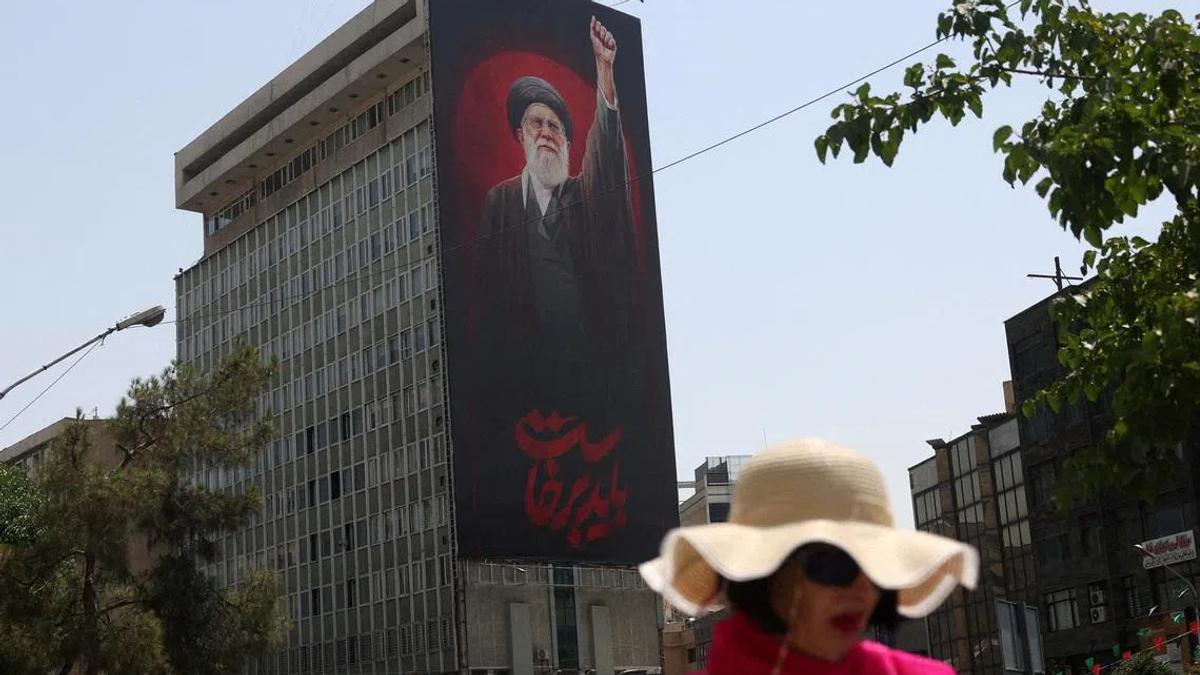
The recent decision by the United States to halt its two-week-long bombing campaign against Iran marks a critical juncture in the escalating tensions between Washington and Tehran. Following 13 consecutive nights of U.S. air strikes, the Pentagon abruptly suspended its operations on July 24, with no further attacks reported through July 26. In a reciprocal move, Iran, which had been responding to each U.S. strike with its own attacks on neighboring countries hosting U.S. bases, has also ceased its fire for two days. This pause, while offering a momentary reprieve, underscores the volatile nature of the conflict and the complex interplay of military strategy and diplomatic maneuvering.
The U.S. Ambassador to the United Nations, Mike Waltz, indicated that President Donald Trump's decision to pause attacks was intended to "allow more time for diplomacy," suggesting a strategic opening for negotiations. This sentiment was echoed by a senior official in the Trump administration, who stated that the president's preference is for diplomacy, but that the military actions served to demonstrate the consequences of Iran's failure to engage seriously. However, a senior Iranian official, speaking anonymously, conveyed Tehran's "attack for attack" stance, affirming that Iran would halt its operations as long as the U.S. maintained its pause. The official also cautioned that Iran remains prepared for a broad response should the U.S. resume its attacks, highlighting the conditional nature of the current de-escalation.
Despite the U.S. framing of the pause as an opportunity for diplomatic engagement, the Iranian source expressed significant skepticism. Tehran views the halt in attacks as "tactical rather than genuine," citing a history of what it perceives as U.S. deception. This deep-seated distrust complicates any immediate prospects for meaningful dialogue, suggesting that both sides are approaching the current lull with caution and a readiness to resume hostilities. The interim agreement reached in June, which aimed to end the broader conflict launched in February and reopened the Strait of Hormuz, was effectively "torpedoed" by the subsequent two-week U.S. military campaign, further eroding confidence in diplomatic solutions.
Reports from The New York Times and CNN shed light on the internal deliberations within the Trump administration that preceded the pause. Concerns were reportedly raised by advisors, including Pentagon Chief of Staff Dan Caine and Vice-President J.D. Vance, regarding the sustainability of the U.S. military campaign, particularly the potential depletion of missile defense stocks used to protect U.S. bases in the region. This suggests that the decision to pause may have been influenced not only by a desire for diplomacy but also by practical military and logistical considerations, indicating a reassessment of the costs and benefits of continued escalation.
The conflict's reach extends far beyond direct U.S.-Iran confrontations, significantly impacting regional stability and global energy markets. The U.S. strikes were initially framed as retaliation for Iranian attacks on shipping in the Strait of Hormuz, a critical chokepoint for global energy transit, which Iran aims to control. In response to U.S. actions, which included striking bridges and tunnels in southern Iran, Tehran retaliated by targeting water desalination plants crucial for nearby Gulf Arab states. This tit-for-tat targeting of vital infrastructure underscores the potential for widespread disruption and humanitarian concerns in the region.
Adding another layer of complexity, Iran's Houthi allies in Yemen have announced a blockade on Saudi oil in the Red Sea, a second major chokepoint for energy shipping. On July 25, the Houthis reportedly fired on Saudi Red Sea oil targets for the first time in years. This escalation in the Red Sea immediately sent shockwaves through global markets, pushing the benchmark Brent crude price above US$100 for the first time since May. The Houthi actions demonstrate the interconnectedness of regional conflicts and Iran's capacity to leverage its proxies to exert pressure on adversaries and disrupt global commerce, highlighting the severe economic ramifications of continued instability in the Middle East.
The current pause represents a precarious moment, with both Washington and Tehran testing the boundaries of escalation established before a ceasefire in April and the subsequent interim agreement. While the U.S. has signaled a willingness for diplomacy, its actions have also demonstrated a readiness to employ military force. Iran, in turn, has shown its resolve to retaliate and its ability to influence regional dynamics through its allies. The underlying strategic motivations for both sides remain complex: the U.S. seeks to deter Iranian aggression and secure vital shipping lanes, while Iran aims to assert its regional influence and resist external pressures.
The coming days will be crucial in determining whether this pause evolves into a genuine de-escalation or merely a temporary lull before renewed hostilities. The skepticism expressed by Iran suggests that a breakthrough in diplomatic talks will require significant concessions or confidence-building measures from both sides. The broader geopolitical landscape, characterized by the ongoing war, the fragility of previous agreements, and the economic vulnerabilities exposed by disruptions to energy routes, indicates that the path to a stable resolution remains fraught with challenges. The international community will be closely watching to see if this tactical pause can be leveraged into a more sustained effort to prevent a wider, more devastating conflict in the Middle East.
Source referenced: STRAITSTIMES
This brief was synthesized by our Editorial Engine and reviewed by The Ground Narrative team.


