TRENDING

Thursday, 8 October 2026
----------------------
27 Rabi' Al-Thani 1448 AH
Amidst heightened tensions, US President Donald Trump and Iranian officials signal progress towards a potential agreement, even as key issues like nuclear weapons and the Strait of Hormuz remain contentious. The diplomatic push unfolds against a backdrop of US economic blockade and military posturing, drawing in regional and international actors.
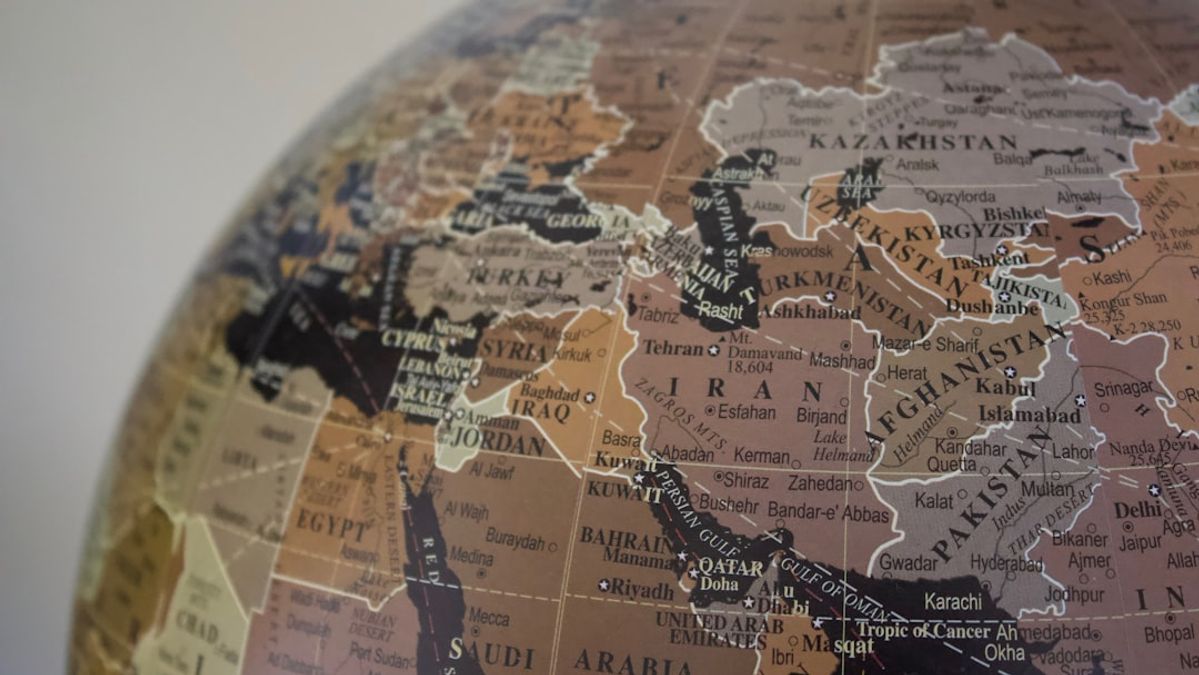
Recent statements from both Washington and Tehran indicate a potential shift in the protracted standoff between the United States and Iran. US President Donald Trump asserted that Iran is "getting a lot closer" to an agreement, a sentiment echoed, albeit cautiously, by Iranian foreign ministry spokesperson Esmaeil Baqaei. This development follows a period of intense pressure and military posturing, suggesting a renewed, albeit fragile, diplomatic track.
According to President Trump, a draft agreement has been seen, though he refrained from detailing its contents, emphasizing that any deal would "absolutely" prevent Iran from obtaining a nuclear weapon and would only be signed if the US achieved "everything we want." This maximalist position underscores the significant hurdles that remain. Iranian spokesperson Baqaei confirmed a convergence of positions in the past week, noting that a 14-point memorandum of understanding (MOU) or framework agreement is being finalized, with further talks anticipated within 30 to 60 days. Crucially, Baqaei stated that the issue of nuclear weapons would not be part of any initial proposals, highlighting a fundamental divergence in expectations or a strategic sequencing of negotiations.
At the heart of the US-Iran dynamic lies the critical issue of Iran's nuclear program and its regional influence. The US position, reiterated by Secretary of State Marco Rubio during a trip to India, demands that Iran not be allowed to possess nuclear weapons and must surrender its highly enriched uranium. This aligns with a long-standing international concern regarding nuclear proliferation in the Middle East, a region already fraught with instability.
Economic pressure has been a primary tool in the US strategy. Since April 13, the US has maintained a blockade on Iranian ports in the Strait of Hormuz, a vital chokepoint for global oil trade. US Central Command (Centcom) reported redirecting 100 vessels, disabling four, and allowing 26 humanitarian aid ships to pass, effectively achieving "zero trade into and out of Iranian ports." This blockade, described by Centcom commander Admiral Brad Cooper as "highly effective" in squeezing Iran economically, serves as significant leverage in the ongoing negotiations. Conversely, Iran has asserted military control over an area around the Strait, claiming that all transit requires authorization from its Persian Gulf Strait Authority, a claim repeatedly rejected by the US and its Gulf allies.
The potential for an agreement, or a failure to reach one, carries profound implications for regional stability and global energy markets. The Strait of Hormuz, through which a significant portion of the world's oil supply transits, is a key flashpoint. The US and its allies prioritize its free and unhindered passage, a demand explicitly voiced by Secretary Rubio and French President Emmanuel Macron.
International engagement underscores the broad geopolitical concern. President Trump was scheduled to hold phone calls with leaders from Saudi Arabia, Qatar, the United Arab Emirates (UAE), Egypt, Turkey, and Pakistan. Similarly, President Macron engaged with Trump and leaders from the UAE, Qatar, Saudi Arabia, and Jordan, with France reportedly pushing for a negotiated solution and prioritizing the complete reopening of the Strait of Hormuz. These consultations highlight the interconnectedness of regional security and the shared interest in de-escalation among key international and regional players.
The current diplomatic momentum follows a period of heightened military tension. Just days prior, anonymous US officials briefed media on preparations for potential military strikes, though no final decision had been made. President Trump's decision to remain in Washington D.C. during this "important period of time," foregoing a family event, further underscored the gravity of the situation. This backdrop of potential military action, coupled with the ongoing economic blockade, frames the current diplomatic efforts as a delicate balance between coercion and negotiation.
While both sides express cautious optimism, significant obstacles remain. The US demand for comprehensive concessions, particularly on nuclear weapons, contrasts with Iran's initial reluctance to include this in early proposals. The future of the Strait of Hormuz, a critical artery for global commerce, also remains a contentious point. The coming weeks, with anticipated further talks, will be crucial in determining whether these diplomatic overtures can translate into a substantive agreement, or if the region will revert to escalating tensions and the threat of conflict. The stakes are exceptionally high, impacting global energy security, regional stability, and the international non-proliferation regime.
Source referenced: BBC
This brief was synthesized by our Editorial Engine and reviewed by The Ground Narrative team.