TRENDING

Saturday, 24 October 2026
----------------------
13 Jumada Al-Awwal 1448 AH
The United States and Iran have intensified their exchange of military strikes, marking a dangerous escalation in a conflict that has spanned nearly five months and impacted global energy security. Despite the ongoing hostilities, diplomatic channels are reportedly open, with Pakistan attempting to mediate de-escalation talks.
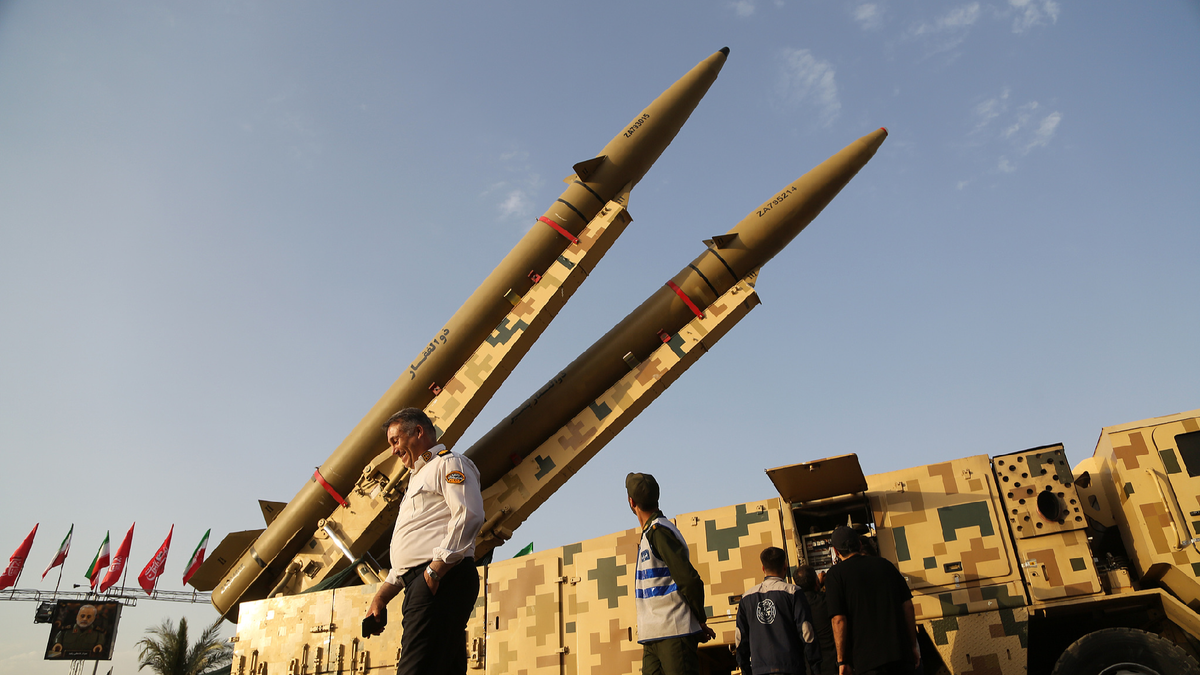
The Middle East is witnessing a significant escalation in the ongoing conflict between the United States and Iran, characterized by a sustained exchange of military strikes. For the 13th consecutive night, US forces launched air strikes against targets within Iran, prompting immediate retaliatory actions from Tehran. These events, occurring in late July 2026, underscore the volatile nature of the regional security landscape and the persistent challenges to de-escalation.
US military operations targeted several key locations in Iran. Reports from Iranian media, citing security officials, indicated that US missiles struck a Revolutionary Guards Navy headquarters in the Ziba Kenar area of the Caspian Sea province of Gilan. Additionally, the port city of Bandar Anzali was reportedly hit, and the state broadcaster IRIB confirmed four fatalities and five injuries in a US attack on the city of Ahvaz. These strikes signal a deliberate targeting of Iranian military infrastructure and strategic assets, potentially aimed at degrading Tehran's capabilities and projecting deterrence.
In response, Iran's Islamic Revolution Guard Corps (IRGC) announced fresh retaliatory strikes against US bases and assets in neighboring Arab countries. The IRGC claimed to have completely destroyed a "very large" US ammunition depot at Ali Al Salem Air Base in Kuwait using "advanced and ultra-heavy" kamikaze drones. Attacks were also reported against US interests in Bahrain and Jordan. This expansion of targets beyond Iranian territory highlights the regional spillover of the conflict, drawing in host nations and raising concerns about broader instability across the Gulf.
The strategic motivations behind these escalating strikes are multifaceted. For the US, the actions appear to be part of an ongoing effort to counter Iranian influence and respond to perceived threats, though the specific triggers for this particular wave of strikes were not detailed in the provided reports. For Iran, the retaliatory strikes are a clear demonstration of its capacity to project power regionally and its resolve to respond to perceived aggression, even at the risk of further escalation.
The conflict's economic ramifications are particularly severe, with the Strait of Hormuz remaining a critical flashpoint. This vital waterway, through which a significant portion of the world's oil supply transits, has been subject to a near-total blockade by Iran. The ongoing disruption has contributed to global inflation and fanned fears of an economic downturn. Further complicating the situation, Yemen's Houthi rebels, who control northern and western Yemen and are widely seen as Iranian proxies, announced a naval blockade on Saudi Arabia. Following Houthi strikes on two Saudi tankers in the Red Sea, US President Donald Trump explicitly stated that he would hold Iran accountable for any future attacks by the group, underscoring the interconnectedness of regional actors and the potential for proxy conflicts to directly impact major powers.
In response to the threats to commercial shipping, the United States and Britain are reportedly planning a high-level meeting in London to discuss forming an international coalition to protect navigation in the Strait of Hormuz. Reopening this strategic chokepoint is considered a key element of any US strategy to de-escalate or end the conflict, emphasizing the global importance of energy security and freedom of navigation.
Despite the intense military exchanges, diplomatic efforts to de-escalate the conflict are reportedly underway. US President Donald Trump confirmed that the United States and Iran were engaged in talks to negotiate an end to the hostilities, noting that Tehran was showing a degree of seriousness not previously observed. However, Trump cautioned that a deal was not guaranteed and reiterated the option of further military escalation, including threats to strike Iranian energy plants and bridges, seize the Kharg Island oil hub, and bomb a deep-underground nuclear-linked site known as "Pickaxe Mountain." These threats, while not yet acted upon, underscore the high stakes and the potential for a dramatic expansion of the conflict.
Pakistan has emerged as a potential mediator, with reports from Reuters suggesting that Islamabad is exploring avenues to resume stalled US-Iran talks. Exploratory discussions reportedly took place during a visit by Iran's Interior Minister Eskandar Momeni to Pakistan. This diplomatic track, running parallel to the military confrontation, highlights the complex and often contradictory nature of international relations, where channels for dialogue may remain open even amidst active hostilities. The uncertainty surrounding the path to de-escalation, coupled with the severe regional and global implications, ensures that the US-Iran conflict remains a front-page geopolitical concern.
Source referenced: CGTN
This brief was synthesized by our Editorial Engine and reviewed by The Ground Narrative team.


