TRENDING

Monday, 5 October 2026
----------------------
24 Rabi' Al-Thani 1448 AH
Despite a record low in infant mortality, the United States continues to lag behind other developed nations, with significant racial disparities highlighting systemic challenges. This trend impacts the nation's global standing, economic competitiveness, and social cohesion.
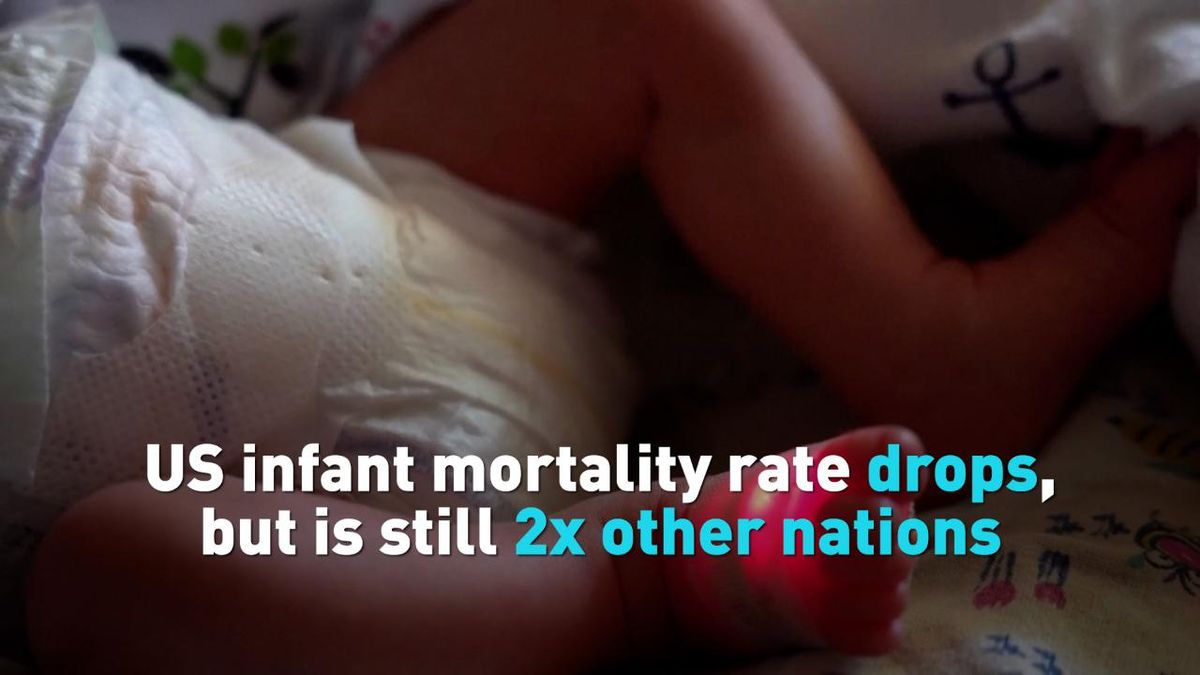
The United States has achieved an all-time low in its infant mortality rate, a development that, while positive, is tempered by a critical geopolitical reality: the nation still significantly trails most of the wealthy world in this vital public health metric. Reported on July 2, 2026, this paradox underscores deep-seated challenges within the US healthcare system and broader societal structures, particularly the disproportionate impact on Black families. This situation is not merely a domestic health concern but a significant indicator of the nation's overall health, equity, and, by extension, its global influence and soft power.
The recent decline in infant mortality represents a notable public health achievement for the United States. However, the lack of widespread celebration, as highlighted by the report, stems from the persistent and stark disparities that define this progress. The burden of infant deaths falls hardest on Black families, revealing a profound racial gap in health outcomes. This disparity points to systemic issues rooted in socioeconomic inequality, unequal access to quality healthcare, environmental factors, and historical injustices that continue to affect marginalized communities. For a nation that often champions human rights and democratic values globally, such internal inequities present a complex challenge to its narrative and credibility on the international stage.
In an increasingly interconnected world, a nation's health outcomes are closely scrutinized as indicators of its societal well-being and governance effectiveness. For the United States, a global superpower, lagging behind its developed peers in infant mortality can subtly erode its soft power. Soft power, the ability to attract and persuade through cultural and political appeal, is influenced by a nation's domestic conditions. When a leading economy struggles with fundamental public health issues that other wealthy nations have largely overcome, it can raise questions among allies and provide fodder for critiques from geopolitical rivals. It challenges the perception of the US as a model of progress and opportunity, potentially impacting its diplomatic leverage and moral authority in global forums.
Beyond reputation, the persistent high infant mortality rate, particularly among specific demographic groups, carries tangible economic consequences. High infant mortality often correlates with broader public health challenges, including maternal mortality, chronic diseases, and reduced life expectancy, all of which can diminish a nation's human capital. A healthy population is a productive population, and disparities in health outcomes can lead to long-term economic costs through lost productivity, increased healthcare expenditures, and a less robust workforce. In an era of intense global economic competition, a nation's ability to nurture and develop its human resources from birth is a critical component of its long-term economic competitiveness and national resilience.
The racial disparities in infant mortality also have implications for internal social cohesion. Significant inequities can fuel social unrest, deepen divisions, and undermine national unity. While not a direct military threat, internal instability or widespread social discontent can divert governmental resources and attention away from foreign policy objectives and strategic priorities. Externally, such internal divisions can be perceived as vulnerabilities by adversaries, potentially influencing their strategic calculations or providing opportunities for disinformation campaigns aimed at undermining US influence.
The report, originating from CGTN, highlights a critical juncture for the United States. While celebrating progress, it necessitates a deeper examination of why the nation, despite its vast resources and advanced medical capabilities, continues to underperform compared to its peers in such a fundamental measure of public health. Addressing the root causes of these disparities—improving healthcare access, tackling socioeconomic inequality, and investing in public health infrastructure—is not merely a domestic policy imperative. It is a strategic necessity for maintaining the nation's global leadership, enhancing its soft power, and ensuring its long-term economic and social stability. The path forward requires comprehensive policy responses that prioritize equity and universal access to quality care, thereby strengthening the nation from within and bolstering its standing abroad.
Source referenced: CGTN
This brief was synthesized by our Editorial Engine and reviewed by The Ground Narrative team.