TRENDING

Monday, 5 October 2026
----------------------
24 Rabi' Al-Thani 1448 AH
The Trump administration plans to spend tens of millions of dollars on electric-shock gloves for ICE agents, sparking concerns about excessive force and human rights violations. The move is part of a broader trend of militarizing immigration enforcement, with devastating consequences for vulnerable communities.
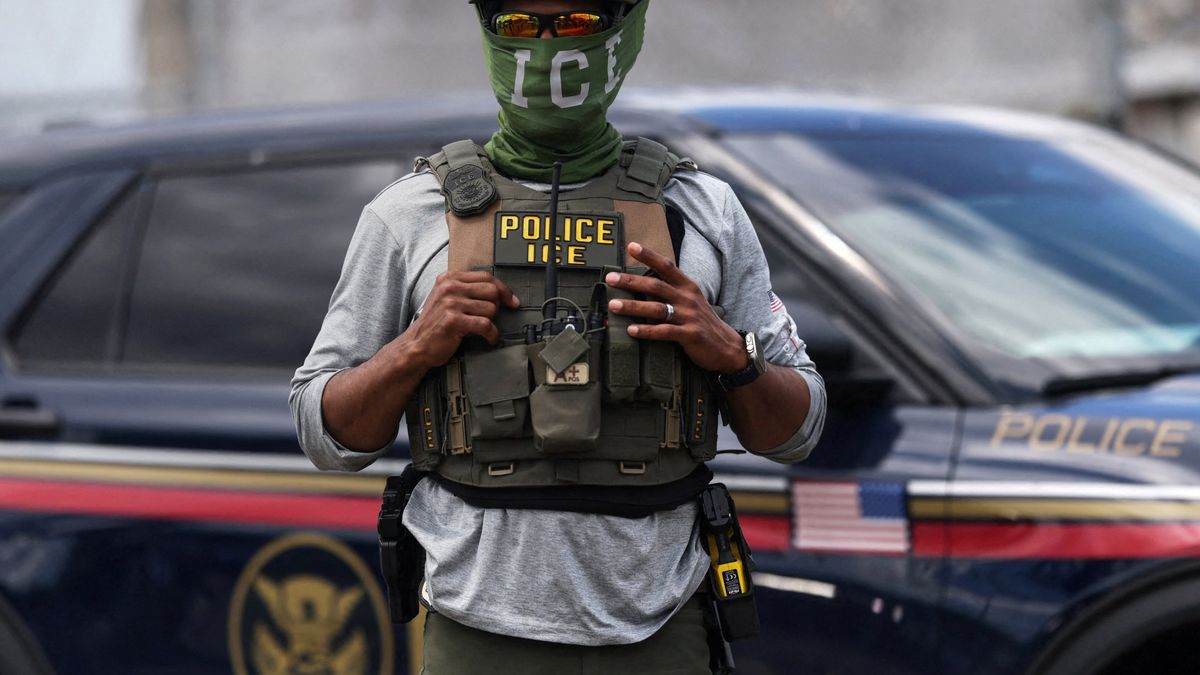
The Department of Homeland Security has announced plans to invest between $10m and $20m in electric-shock gloves, known as the CT-G5 G.L.O.V.E., for Immigration and Customs Enforcement (ICE) agents. The devices are designed to deliver small electrical pulses to distract individuals, but critics fear they will be used to harm protesters and immigrants in ICE custody.
The introduction of electric-shock gloves is a symptom of a larger problem: the increasing militarization of immigration enforcement. The Trump administration's "zero-tolerance" policy has led to a surge in ICE arrests and deportations, with agents often using excessive force to detain and remove individuals. The Secure America Act, passed by Congress in June, provides ICE with an $80 billion budget, which critics argue will only exacerbate the situation.
The use of electric-shock gloves will disproportionately affect vulnerable communities, including immigrants, people of color, and those with disabilities. The National Immigration Law Center has condemned the move, citing the risk of further violence and cruelty against these groups. The gloves' manufacturer recommends avoiding use on "higher risk" individuals, including the elderly, small children, and pregnant people, but it is unclear how ICE agents will be trained to identify and protect these populations.
What the Trump administration and ICE are downplaying is the alarming rate of violence and fatalities associated with immigration enforcement. At least four people have been shot dead by ICE agents this year, and dozens more have died in ICE custody. The introduction of electric-shock gloves will only increase the risk of harm to individuals and communities. Furthermore, the lack of transparency and accountability within ICE, combined with the agency's history of racial profiling and excessive force, raises serious concerns about the potential for abuse.
As the contract for the electric-shock gloves is set to be published, readers should watch for signs of resistance from rights advocates, community groups, and lawmakers. The National Immigration Law Center and other organizations are likely to challenge the move in court, citing concerns about human rights and the potential for abuse. Additionally, readers should monitor the response from Congress, particularly from lawmakers who have criticized ICE's tactics and budget. The outcome of this controversy will have significant implications for the future of immigration enforcement and the protection of human rights in the United States.
Editor's Note: The analysis is based on publicly available information and may not reflect the full complexity of the issue.
Source referenced: ALJAZEERA
This brief was synthesized by our Editorial Engine and reviewed by The Ground Narrative team.


