TRENDING

Monday, 5 October 2026
----------------------
24 Rabi' Al-Thani 1448 AH
Lebanon's Prime Minister condemns Israel's systematic destruction in southern Lebanon, while Israel's Defence Minister vows to maintain a military presence in the region. The conflict has killed over 4,300 people and displaced many more, with a framework deal aimed at disarmament and withdrawal hanging in the balance.
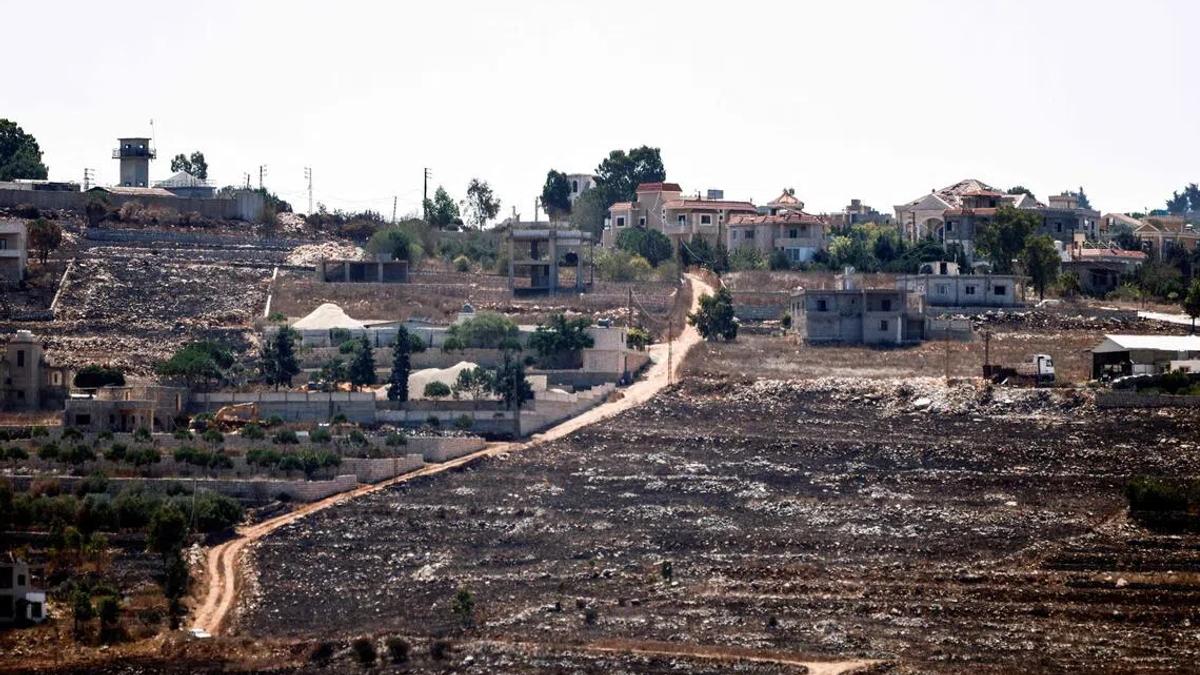
Lebanon's Prime Minister Nawaf Salam has condemned Israel's systematic destruction in southern Lebanon, citing attacks on homes, public facilities, and infrastructure as a violation of international law. Israel's Defence Minister Israel Katz has confirmed the ongoing demolitions, stating that the Israeli military is destroying all houses in the area. This comes amid a framework deal aimed at disarming Hezbollah, withdrawing Israeli forces, and deploying the Lebanese army to the region.
The conflict in southern Lebanon is driven by a complex web of power dynamics. Israel's desire to maintain a security zone in the region is rooted in its concerns about Hezbollah's military capabilities and its proximity to the Israeli border. The US-sponsored framework deal aims to address these concerns through disarmament and withdrawal, but Israel's continued presence in the region suggests that it is not willing to relinquish control. Meanwhile, Lebanon's government is struggling to assert its authority in the face of Israeli aggression and Hezbollah's influence.
The people of southern Lebanon are bearing the brunt of the conflict. Over 4,300 people have been killed, and many more have been displaced by the fighting. The destruction of homes, schools, and healthcare facilities has left communities without access to basic necessities. The Lebanese army's deployment to the region is hindered by Israeli attacks and demolitions, making it difficult for the government to provide services to its citizens. The human cost of the conflict is not just a matter of numbers; it is a story of families torn apart, livelihoods destroyed, and communities shattered.
What is being downplayed in the official statements is the extent to which Israel's actions are undermining the framework deal. By maintaining a military presence in southern Lebanon and continuing to demolish homes and infrastructure, Israel is effectively sabotaging the agreement. The US State Department's response to Katz's remarks, stating that Israel's actions are not consistent with the commitments made in the framework deal, suggests that there is a growing recognition of the need for Israel to withdraw its forces and respect Lebanon's sovereignty. However, the fact that Israel is continuing to defy international law and disregard the human cost of its actions suggests that there is a deeper agenda at play.
As the conflict in southern Lebanon continues to unfold, there are several key developments to watch. The upcoming US-sponsored negotiations in September will be crucial in determining the future of the framework deal and the prospects for a lasting peace. The Lebanese government's ability to assert its authority and provide services to its citizens will be a key test of its legitimacy. Meanwhile, the international community's response to Israel's actions will be closely watched, with many wondering whether the US and other powers will be willing to hold Israel accountable for its violations of international law.
Editor's Note: The analysis is based on publicly available information and may not reflect the full complexity of the situation on the ground.
Source referenced: STRAITSTIMES
This brief was synthesized by our Editorial Engine and reviewed by The Ground Narrative team.


