TRENDING

Wednesday, 14 October 2026
----------------------
3 Jumada Al-Awwal 1448 AH
A new policy from the Trump administration mandates that most foreign nationals seeking U.S. green cards must leave the country and apply from abroad, marking a significant departure from over half a century of established practice. This move is poised to create widespread confusion, family separations, and potential humanitarian challenges, reflecting a broader strategy to curtail legal immigration pathways.
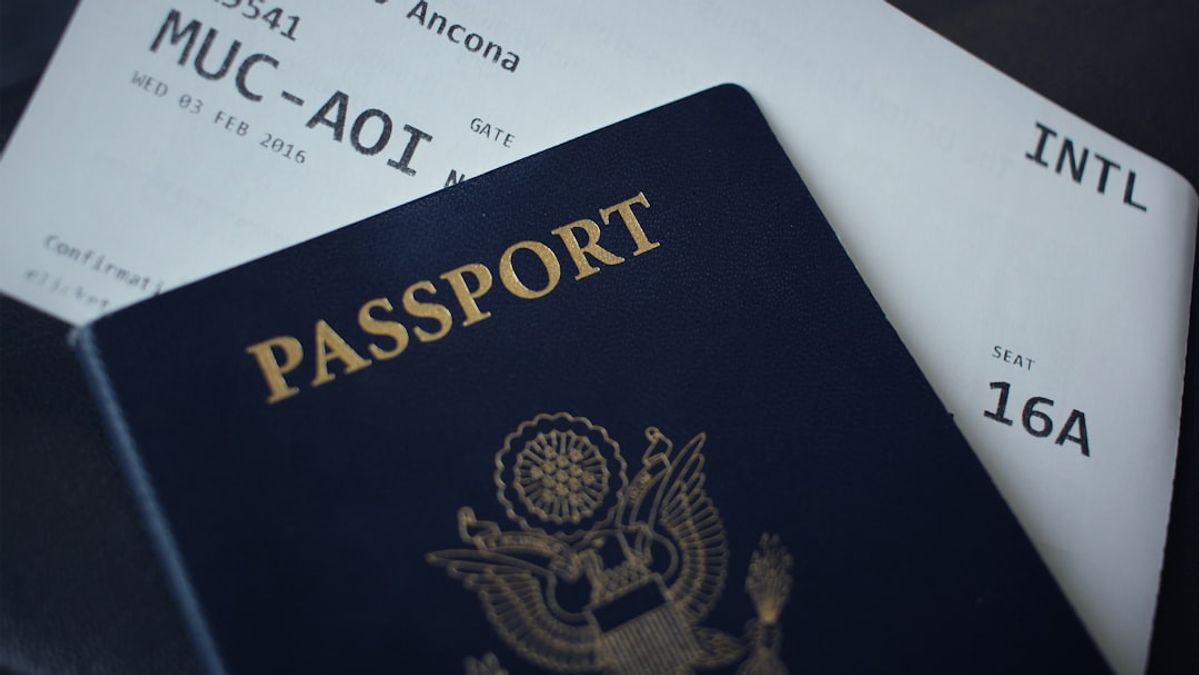
The Trump administration announced on Friday, May 23, 2026, a significant alteration to U.S. immigration policy, requiring most foreign nationals already residing in the United States to depart the country and apply for lawful permanent residency, or a green card, from their home countries. This directive, issued by U.S. Citizenship and Immigration Services (USCIS), represents a stark reversal of a longstanding practice that has allowed individuals with legal status, including those married to U.S. citizens, work visa holders, students, refugees, and asylum seekers, to adjust their status while remaining within the U.S. borders.
Historically, the process known as "adjustment of status" permitted eligible foreign nationals to complete their entire green card application within the United States. The new policy, however, mandates that these individuals return to their countries of origin to apply, with exceptions only for "extraordinary circumstances" to be determined by USCIS officers. The agency justified this change by stating that the U.S. system is designed for nonimmigrants—such as students, temporary workers, or tourists—to leave when their visit concludes, asserting that their temporary stay should not serve as a precursor to permanent residency. This move is the latest in a series of measures by the administration aimed at tightening legal immigration pathways and reducing the overall number of individuals granted permanent residency and, subsequently, citizenship.
The strategic motivation behind this policy appears to be a deliberate effort to significantly reduce legal immigration to the United States. As noted by former USCIS advisor Doug Rand, senior officials have explicitly stated their desire to limit permanent residency, viewing it as a direct path to citizenship. This policy aligns with previous actions taken by the administration, including travel bans from certain countries and pauses in visa processing, which have collectively made it more challenging for foreigners to enter or remain in the U.S. The administration frames this change as a return to the "original intent of the law" and the closure of a "loophole," despite immigration lawyers and aid groups asserting that the ability to adjust status in the U.S. has been a consistent and accepted practice for decades.
The implications of this policy are far-reaching, touching upon geopolitical stability, humanitarian concerns, and economic competitiveness. Forcing hundreds of thousands of applicants, including those with established lives and families in the U.S., to return to their home countries creates a complex web of challenges:
* Family Separation: Humanitarian organizations like World Relief warn of an impending "indefinite separation of families." Many individuals, particularly those from countries with U.S. travel bans or where U.S. embassies are closed (such as Afghanistan since August 2021), face a "Catch-22." They would be required to return home to apply, but would then be unable to process their immigrant visas or even re-enter the U.S., effectively trapping them abroad.
* Humanitarian Crisis: For refugees and asylum seekers, returning to their home countries could mean facing persecution, violence, or unsafe conditions, directly contradicting the humanitarian protections they sought in the U.S.
* Economic Impact and Brain Drain: The policy could deter highly skilled professionals, including doctors and other essential workers on work visas, from seeking permanent residency in the U.S. If these individuals are forced to leave and face lengthy, uncertain application processes abroad, the U.S. risks losing valuable talent and economic contributions. USCIS's vague mention of exceptions for those providing "economic benefit" or serving the "national interest" offers little clarity or reassurance.
* Diplomatic Strain: The policy could strain diplomatic relations with countries whose citizens are disproportionately affected, particularly if it leads to widespread family separations or humanitarian issues. It could also impact the U.S.'s image as a welcoming nation for immigrants and a global leader in human rights.
* Administrative Burden and Uncertainty: The lack of clarity regarding the policy's effective date, whether applicants must remain abroad for the entire process, or its impact on existing applications has sown significant confusion among immigrants and legal professionals. This uncertainty is likely to have a "chilling effect" on new applications and could lead to prolonged legal challenges.
As immigration attorneys and aid organizations grapple with deciphering the full scope and application of this new directive, the immediate future for hundreds of thousands of green card applicants remains highly uncertain. The policy's implementation is expected to be complex, potentially leading to significant backlogs at U.S. consulates abroad, where wait times for visa appointments can already exceed a year. This shift represents a fundamental reorientation of U.S. immigration policy, prioritizing restriction over integration, with profound and potentially destabilizing consequences for individuals, families, and the nation's global standing.
Editor's Note: Analysis is based on the provided article's premise of a future Trump administration policy announcement in 2026.
Source referenced: NPR
This brief was synthesized by our Editorial Engine and reviewed by The Ground Narrative team.


