TRENDING

Monday, 19 October 2026
----------------------
8 Jumada Al-Awwal 1448 AH
The US House of Representatives has passed a bill providing over $1 billion in aid to Ukraine and imposing new sanctions on Russia, underscoring growing congressional frustration with President Donald Trump's handling of the conflict.
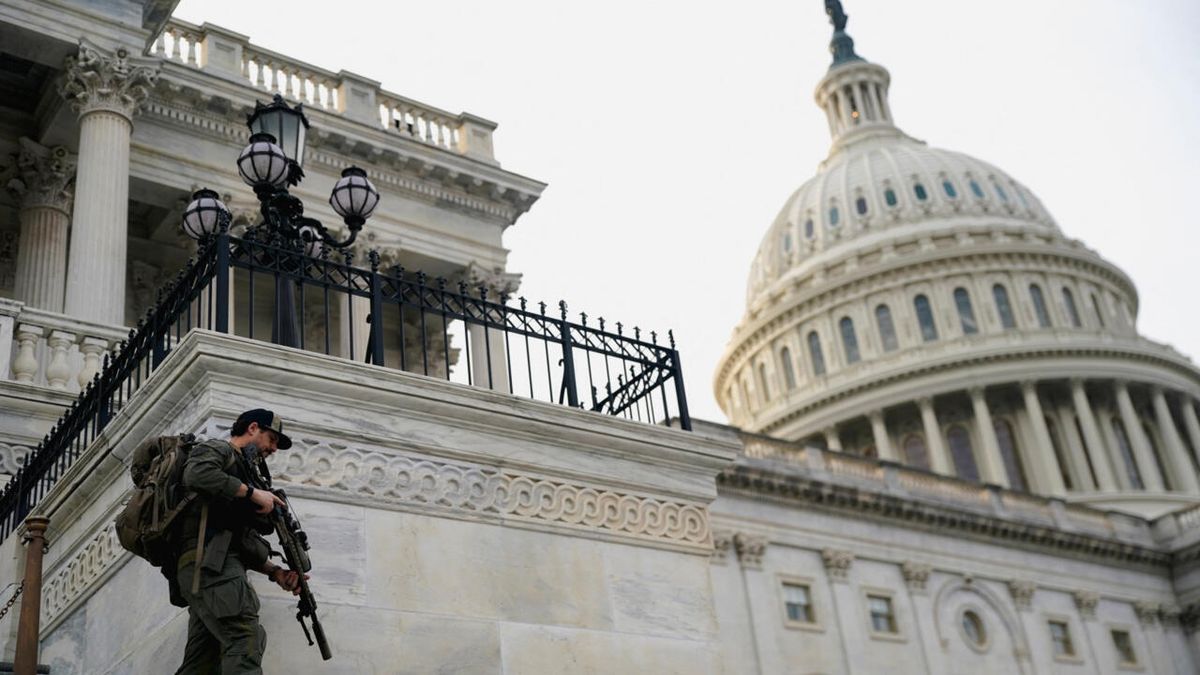
The US House of Representatives has passed a bill providing over $1 billion in aid to Ukraine and imposing new sanctions on Russia, underscoring growing congressional frustration with President Donald Trump's handling of the conflict. The legislation, sponsored by Rep. Gregory Meeks, D-N.Y., seeks to cement US assistance for Ukraine by providing more than $1 billion in security and reconstruction aid, as well as making another $8 billion available for Ukraine's defense through loans.
The US House's decision to pass this bill is a clear indication of the growing frustration among lawmakers with President Trump's approach to the conflict in Ukraine. The bill's passage represents the House's second major foreign policy break with Trump this week, following the approval of a war powers resolution aimed at halting US military action against Iran. This move is likely a response to the perceived lack of progress in negotiations between the US and Russia, as well as the increasing humanitarian crisis in Ukraine.
The conflict in Ukraine has significant regional implications, with the US, Russia, and Ukraine all playing key roles. The US has been providing military aid to Ukraine, while Russia has been accused of supporting separatist groups in eastern Ukraine. The sanctions imposed by the US on Russia are likely to exacerbate tensions between the two countries, potentially leading to further escalation of the conflict.
The future consequences of the conflict in Ukraine are uncertain, but one thing is clear: the situation is becoming increasingly complex and volatile. The US House's decision to pass this bill is likely to put pressure on President Trump to take a more decisive stance on the conflict, potentially leading to further escalation. The humanitarian crisis in Ukraine is also likely to worsen, with the potential for increased suffering and displacement of civilians.
The conflict in Ukraine has its roots in the 2014 Ukrainian revolution, which led to the ousting of President Viktor Yanukovych and the installation of a new government. Russia responded by annexing Crimea and supporting separatist groups in eastern Ukraine. The conflict has been ongoing for over four years, with both sides suffering significant losses.
Editor's Note: The future consequences of the conflict in Ukraine are uncertain, but one thing is clear: the situation is becoming increasingly complex and volatile.
Source referenced: FRANCE24
This brief was synthesized by our Editorial Engine and reviewed by The Ground Narrative team.