TRENDING

Thursday, 15 October 2026
----------------------
4 Jumada Al-Awwal 1448 AH
The US government's appeal of a judge's order for tariff refunds has significant implications for global trade, regional stability, and the future of US trade policies.
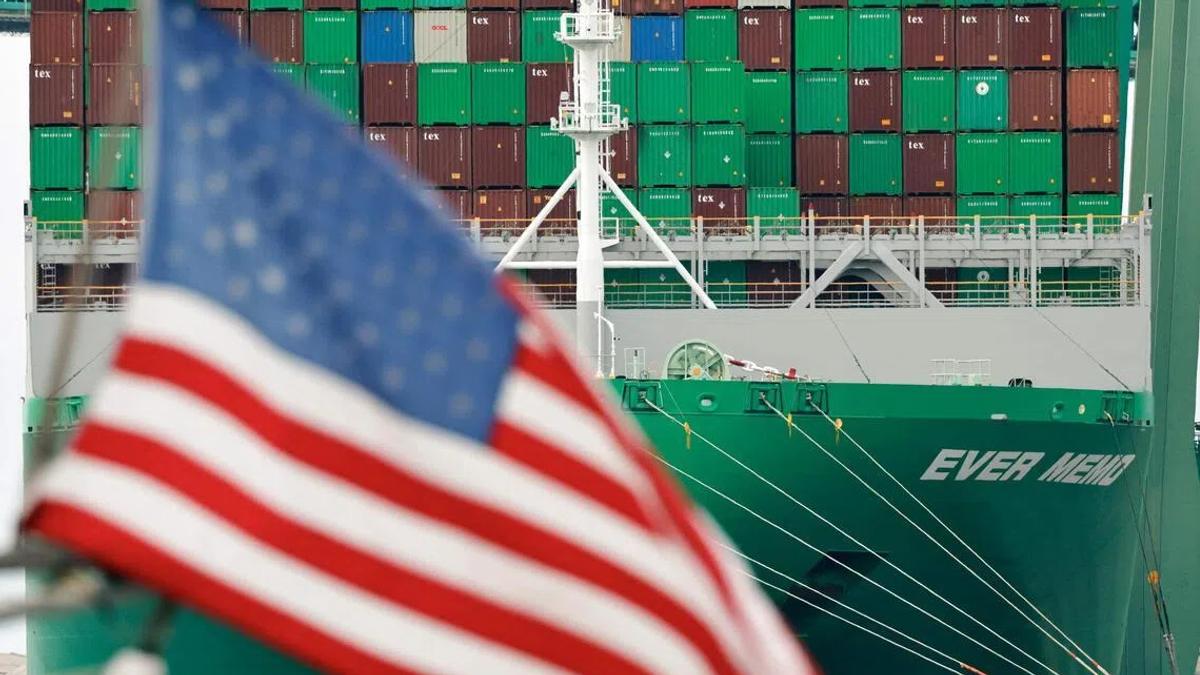
The US government's appeal of a judge's order for tariff refunds has significant implications for global trade, regional stability, and the future of US trade policies. On June 2, 2026, the Trump administration formally appealed a judge's order for refunds of the US president's global tariffs, which were struck down by the Supreme Court earlier in 2026.
In 2025, US President Donald Trump returned to the White House and swiftly imposed sweeping tariffs on allies and competitors alike, tapping the International Emergency Economic Powers Act to target different countries with different rates. The tariffs were imposed under the guise of national security, but critics argued that they were a protectionist measure aimed at shielding US industries from foreign competition.
In February 2026, the Supreme Court ruled that Trump had exceeded his authority in imposing these duties. The court's decision was a significant blow to the Trump administration's trade policies, as it effectively invalidated the tariffs imposed on several countries.
A judge of the Court of International Trade subsequently ruled that refunds should take place, although giving room for the CBP to comply with the order. The agency estimated in March that more than 330,000 importers could be eligible for repayments. Hundreds of companies have sought to get their money back, including small businesses and major firms like delivery and freight giant FedEx and warehouse retailer Costco.
The US government's appeal of the judge's order for tariff refunds has significant implications for global trade and regional stability. If the appeal is successful, it could potentially impact the refunds process, which has already begun to process repayments. The appeal could also set a precedent for future trade disputes, as it challenges the authority of the judiciary to review the president's trade policies.
The Trump administration's appeal of the judge's order for tariff refunds is likely motivated by a desire to protect US industries from foreign competition and to maintain the president's trade policies. The administration may also be seeking to appease domestic industries that have been affected by the tariffs.
The US government's appeal of the judge's order for tariff refunds has significant regional implications. The tariffs imposed by the Trump administration have already had a negative impact on several countries, including China, the European Union, and Canada. If the appeal is successful, it could potentially lead to further trade tensions and retaliatory measures from these countries.
The future consequences of the US government's appeal of the judge's order for tariff refunds are uncertain. If the appeal is successful, it could potentially lead to further trade tensions and retaliatory measures from other countries. On the other hand, if the appeal is unsuccessful, it could potentially lead to a more stable and predictable trade environment.
The US government's appeal of a judge's order for tariff refunds has significant implications for global trade, regional stability, and the future of US trade policies. The appeal challenges the authority of the judiciary to review the president's trade policies and sets a precedent for future trade disputes. The future consequences of the appeal are uncertain, but it is likely to have a significant impact on global trade and regional stability.
Source referenced: STRAITSTIMES
This brief was synthesized by our Editorial Engine and reviewed by The Ground Narrative team.


