TRENDING

Monday, 21 September 2026
----------------------
10 Rabi' Al-Thani 1448 AH
As the UN Security Council prepares for its second informal poll to select the next secretary-general, the stakes are high for an organization in crisis. The winner will face the daunting task of revitalizing the UN amid growing pressure to reform its bureaucracy. With multiple candidates vying for the top spot, the selection process is fraught with geopolitical implications.
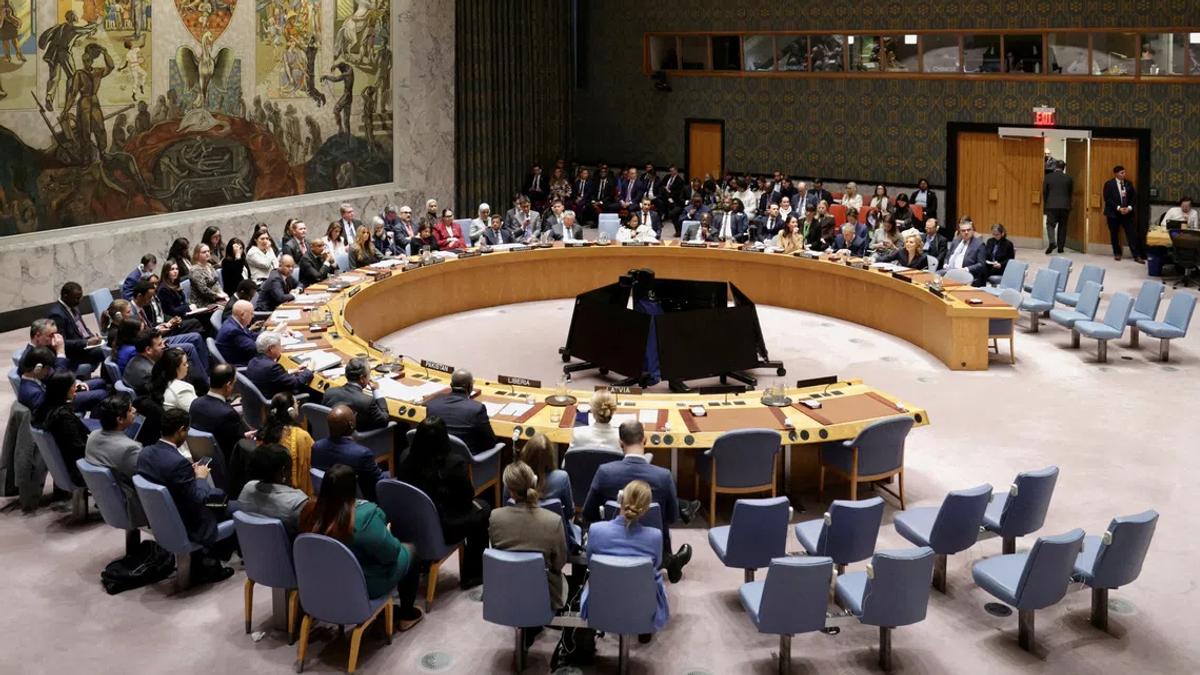
The United Nations Security Council is set to hold another informal poll on August 21 to select the next UN secretary-general, following the first straw poll that showed former Costa Rican Vice President Rebeca Grynspan as a narrow early frontrunner. The current secretary-general, Antonio Guterres, will step down at the end of the year after two five-year terms.
The selection process is a complex dance of power and diplomacy, with the five permanent members of the Security Council - China, France, Russia, the United Kingdom, and the United States - holding significant sway over the outcome. Each of these countries has its own agenda and priorities, and avoiding a veto from any of them is crucial. The use of color-coded ballots in later rounds of polling will reveal whether a candidate has received a 'discourage' vote from one of the permanent members, adding an extra layer of complexity to the process.
The next secretary-general will face the daunting task of revitalizing an organization in crisis, with declining stature and growing pressure to reform its bureaucracy. The UN's effectiveness in addressing global challenges such as poverty, inequality, and climate change hangs in the balance. The selection process is not just about choosing a leader, but about determining the direction of the organization and its ability to make a meaningful impact on the lives of people around the world.
What is being downplayed in the official statements is the geopolitical maneuvering that is taking place behind the scenes. The permanent members of the Security Council are not just looking for a candidate who can lead the UN effectively, but also one who will advance their own interests and agendas. The use of proxy candidates and backroom deals is likely to play a significant role in the selection process, with each country trying to secure its own influence and leverage.
As the selection process unfolds, readers should watch for the emergence of a consensus candidate who can balance the competing interests of the permanent members. They should also pay attention to the role of regional blocs and civil society organizations in shaping the outcome. Ultimately, the next secretary-general will face significant challenges in revitalizing the UN and addressing the complex global challenges of our time. The question is, who will emerge as the leader of the world body, and what will be the implications for global governance and international relations?
Editor's Note: The analysis is based on publicly available information and may not reflect the full complexity of the selection process.
Source referenced: STRAITSTIMES
This brief was synthesized by our Editorial Engine and reviewed by The Ground Narrative team.


