TRENDING

Monday, 26 October 2026
----------------------
15 Jumada Al-Awwal 1448 AH
Amidst ongoing Russian aggression, Ukraine's vast volunteer movement, including groups like Dobrobat, has emerged as a critical force for national resilience and reconstruction. This civilian mobilization, bolstered by international support, directly counters Russia's strategy of attrition and highlights the profound role of civil society in modern conflict.
The protracted conflict in Ukraine, marked by relentless Russian missile attacks and widespread destruction, has given rise to an extraordinary phenomenon: a vast, decentralized "volunteer army" dedicated to rebuilding, supporting, and sustaining the nation. This movement, encompassing tens of thousands of Ukrainians and international participants, operates as a critical, often unsung, pillar of national resilience and a potent symbol of international solidarity against aggression. Far from being merely humanitarian, these efforts carry significant geopolitical weight, directly challenging Russia's strategic objectives and shaping the narrative of the conflict.
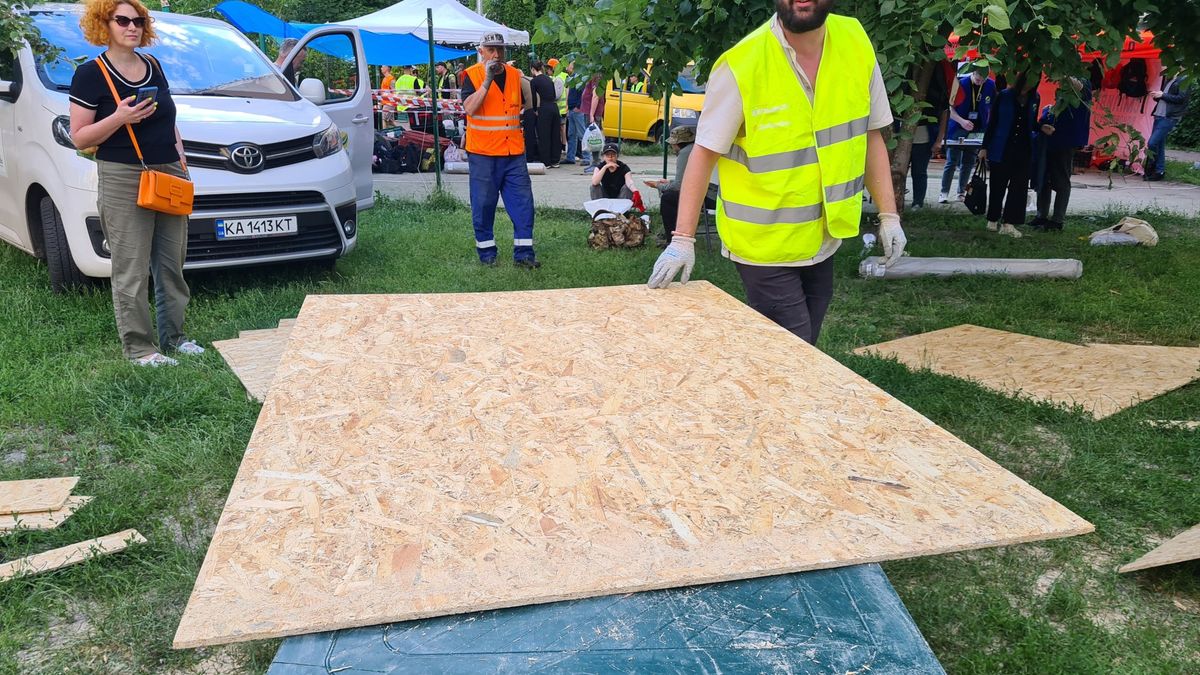
On June 15, 2026, an hours-long Russian missile barrage targeted Kyiv, causing widespread damage and civilian casualties, including five deaths and dozens wounded. One such attack, which saw a missile explode near Mariya Prokopchuk's apartment building, shattered hundreds of windows and caused significant structural damage. Within hours, Dobrobat, Ukraine's largest volunteer organization, mobilized over 100 volunteers to clear rubble and install temporary window coverings, providing immediate security and relief. This rapid-response capability, often outperforming state agencies, underscores the agility and effectiveness of organized civil society in crisis zones.
Dobrobat, an abbreviation for "Battalion of Kindness," boasts over 55,000 volunteers who have collectively assisted more than a million Ukrainians in restoring homes and apartments. Their work extends beyond immediate repairs to include long-term retrofitting, demonstrating a commitment to comprehensive recovery even amidst ongoing hostilities. This systematic approach to mitigating the humanitarian impact of war is crucial for maintaining civilian morale and preventing further societal destabilization.
The volunteer movement in Ukraine extends far beyond physical reconstruction. It encompasses a broad spectrum of activities vital for both civilian survival and military effectiveness. Volunteer groups actively raise funds for and supply essential military equipment, including drones, flak jackets, night goggles, and anti-shrapnel glasses. For civilians, they provide critical aid such as medical treatment, prosthetics, first aid kits, and even evacuate vulnerable populations, including the elderly, children, and pets, from frontline areas.
Stories like that of Mikhail, a diabetic from the northern village of Yahidne, illustrate the life-saving impact of these efforts. During a month-long Russian occupation in 2022, volunteers were instrumental in securing insulin for him, highlighting the critical gaps filled by civil society when state services are disrupted or overwhelmed. Even Ukrainian schoolchildren contribute, making trench candles, assembling drones, and weaving camouflage nets, demonstrating a pervasive national commitment to the war effort.
Furthermore, some volunteer groups have evolved to undertake sophisticated tasks. Army SOS, initially focused on supplying frontline soldiers with basic gear, transitioned to developing advanced software for tablets and smartphones, enabling precise drone strikes. This adaptability and innovation underscore the dynamic nature of Ukraine's civilian mobilization.
The widespread volunteerism serves several critical geopolitical functions. Firstly, it is a powerful testament to Ukraine's national resilience and unity. By actively participating in reconstruction and support, citizens demonstrate an unwavering will to resist aggression and rebuild their country, directly countering Russia's strategy of demoralization and attrition. This collective action fosters a sense of agency and shared purpose, essential for sustaining a protracted defense.
Secondly, the significant involvement of international volunteers from dozens of countries—including Sweden, the United States, Canada, China, Israel, and the Netherlands—underscores global solidarity with Ukraine. These individuals, often driven by moral outrage over Russian atrocities, provide not only practical assistance but also a tangible symbol of international condemnation of the invasion. Their presence reinforces Ukraine's narrative of being a victim of unprovoked aggression and helps to maintain international attention and support, which is crucial for continued military and financial aid.
Finally, the efficiency and responsiveness of volunteer organizations, often contrasted with the perceived bureaucracy and potential for corruption within state agencies, highlight a unique aspect of governance in wartime. While challenging for long-term state-building, this agility allows for immediate needs to be met, preventing further humanitarian crises and demonstrating the power of civil society to act as a parallel, often more effective, governance structure in times of extreme duress.
Ukraine's "volunteer army" represents a profound and multifaceted response to the challenges of modern warfare. It is a testament to the enduring spirit of a nation under siege, demonstrating how civilian mobilization can become a strategic asset in national defense and recovery. By rebuilding what Russia destroys, providing essential aid, and fostering international connections, these volunteers are not just mending homes; they are reinforcing the very fabric of Ukrainian society and projecting a powerful message of resilience and defiance onto the global stage. Their efforts are integral to Ukraine's ability to withstand ongoing aggression and lay the groundwork for future recovery, making them a critical component of the broader geopolitical struggle.
Source referenced: ALJAZEERA
This brief was synthesized by our Editorial Engine and reviewed by The Ground Narrative team.