TRENDING

Monday, 19 October 2026
----------------------
8 Jumada Al-Awwal 1448 AH
Ukraine's top military commander, General Oleksander Syrsky, has been replaced by General Mikhailo Dapraty following days of intense public protests. This significant leadership change, driven by accusations against Syrsky regarding army modernization and the dismissal of a popular defense minister, underscores profound internal political pressures amidst ongoing conflict.
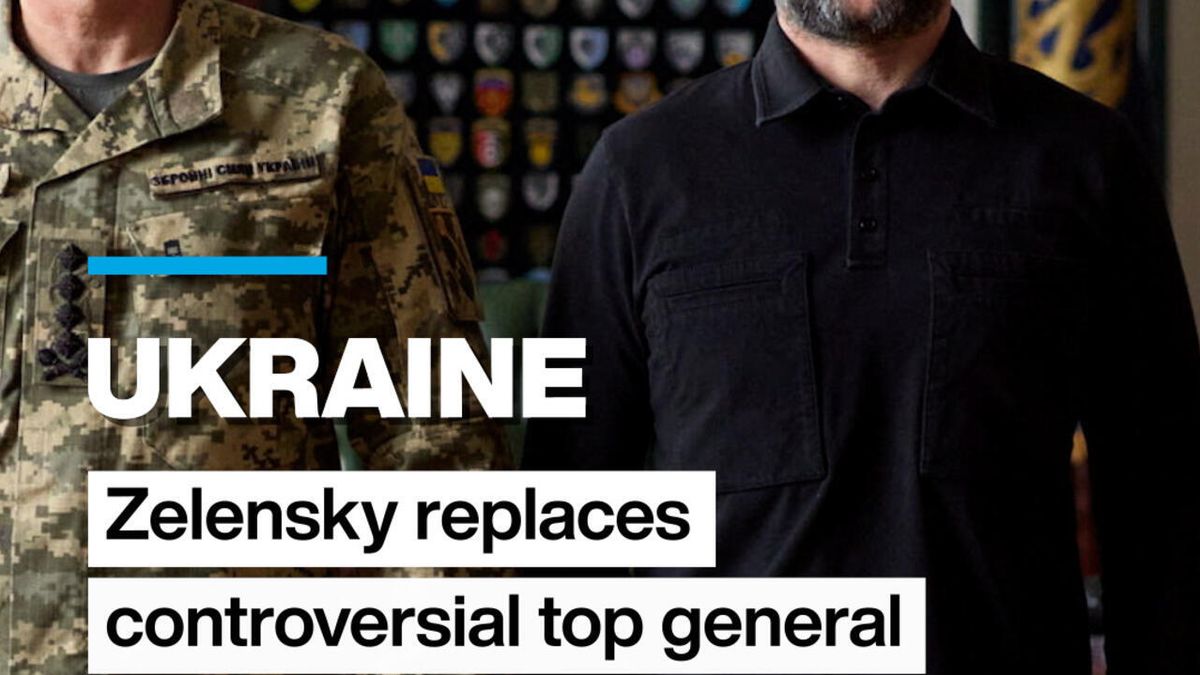
In a significant development for Ukraine's wartime leadership, General Oleksander Syrsky, the nation's top military commander, was dismissed from his post on July 22, 2026. His replacement is General Mikhailo Dapraty. This high-profile change comes after days of widespread public protests across Ukraine, demanding Syrsky's removal and highlighting deep-seated public discontent with the military's direction and leadership during the protracted conflict with Russia.
The immediate catalyst for Syrsky's dismissal appears to be a confluence of factors, primarily centered on accusations that he had forced out the popular Defence Minister Mikhailo Fedorov. Fedorov was reportedly hesitant to fully embrace certain reforms aimed at modernizing the Ukrainian army, suggesting a potential internal power struggle or disagreement over strategic priorities within the defense establishment. Furthermore, protestors explicitly accused Syrsky of "wasting lives," indicating a severe erosion of public trust and confidence in his command, likely stemming from perceived high casualty rates or controversial operational decisions on the front lines.
President Volodymyr Zelensky's decision to replace General Syrsky underscores the immense pressure exerted by public opinion, even in a nation grappling with an existential war. The ability of mass protests to influence such a critical military appointment during wartime is a testament to Ukraine's democratic resilience, yet it also signals a potentially deepening political crisis. The accusations against Syrsky, particularly concerning the alleged forced departure of Defence Minister Fedorov, point to internal divisions within Ukraine's military and political leadership regarding the optimal strategy for prosecuting the war and modernizing its armed forces.
The public's demand for accountability, manifested in the protests, reflects a population deeply invested in the war's outcome but increasingly scrutinizing the human cost and strategic efficacy of military operations. The phrase "wasting lives" is particularly potent, suggesting that the public perceives a disconnect between the sacrifices being made and the strategic gains achieved, or perhaps a lack of transparency regarding military planning and execution. This level of public scrutiny and demand for leadership change is a complex phenomenon in wartime, capable of both galvanizing national resolve and exposing vulnerabilities.
The replacement of a top general in the midst of an active and intense conflict carries significant strategic implications. For Ukraine's military, the change could lead to a period of adjustment as the new commander, General Dapraty, establishes his authority, reviews existing strategies, and potentially implements new operational doctrines. While a leadership change can inject fresh perspectives and potentially boost morale if the new commander is perceived as more effective or aligned with public sentiment, it also risks temporary disruption to command structures and ongoing operations.
General Dapraty will face immediate challenges, including restoring public and military confidence, addressing the concerns that led to his predecessor's dismissal, and demonstrating tangible progress on the battlefield. The underlying issue of army modernization, which reportedly caused friction with the former Defence Minister Fedorov, will likely remain a critical priority. How Dapraty navigates these internal pressures while simultaneously managing the external threat from Russia will be crucial for Ukraine's war effort.
Internationally, this leadership reshuffle will be closely watched by Ukraine's allies and adversaries alike. For Western partners providing crucial military and financial aid, the internal political crisis and change in military command could raise questions about the stability and coherence of Ukraine's defense strategy. Allies will be keen to understand if this change signifies a strategic pivot, a response to battlefield setbacks, or merely an internal political realignment. Maintaining confidence among international partners is vital for the continued flow of support.
Conversely, Russia may interpret this internal turmoil as a sign of weakness or disunity within Ukraine's leadership, potentially influencing their own strategic calculations and propaganda efforts. Moscow could seek to exploit any perceived instability to its advantage, both militarily and in the information space. The incident highlights the multifaceted challenges Ukraine faces, battling not only an external aggressor but also navigating complex internal political dynamics and public expectations.
The dismissal of General Syrsky and the appointment of General Dapraty mark a critical juncture for Ukraine. It underscores the profound impact of public opinion on wartime governance and the constant pressure on leadership to deliver results and maintain trust. The new military command faces the daunting task of reinvigorating the war effort, addressing the concerns of the populace, and ensuring the continued support of international allies, all while confronting a formidable adversary. The coming months will reveal the strategic direction General Dapraty intends to pursue and whether this leadership change can effectively address the deep-seated issues that led to his predecessor's controversial departure.
Source referenced: FRANCE24
This brief was synthesized by our Editorial Engine and reviewed by The Ground Narrative team.