TRENDING

Friday, 16 October 2026
----------------------
5 Jumada Al-Awwal 1448 AH
The United Kingdom has proposed a voluntary overnight social media curfew for 16- and 17-year-olds, part of a broader global effort to mitigate digital harm to minors. This initiative, following a stricter ban for younger children, positions the UK as a key player in the evolving landscape of digital governance and youth protection.
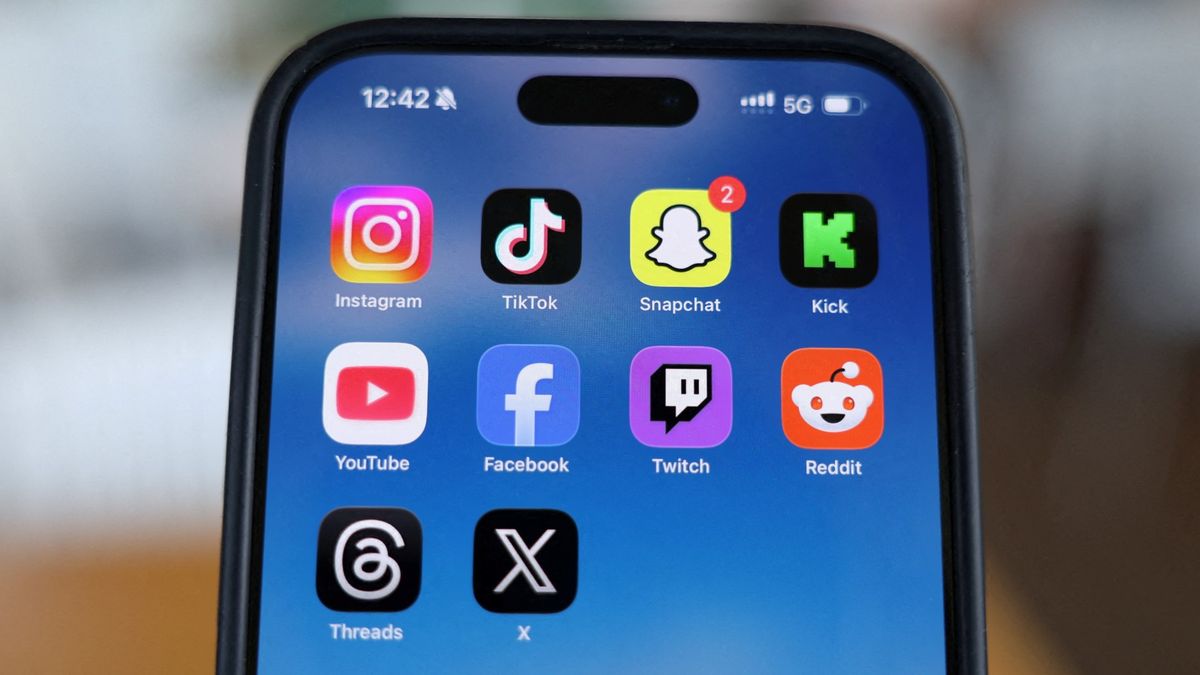
The United Kingdom's Labour administration has unveiled a proposal for a voluntary overnight social media curfew targeting 16- and 17-year-olds, marking a significant step in the global discourse on digital well-being and youth protection. Announced on Wednesday, July 16, 2026, the plan suggests a default six-hour lockout from midnight to 6 am on major platforms such as Instagram, TikTok, and YouTube. Additionally, highly engaging features like autoplay videos and infinite scrolling would be deactivated by default for this age group, aiming to foster improved sleep patterns and concentration.
This latest initiative builds upon a prior announcement by outgoing Prime Minister Keir Starmer in June, which outlined a blanket ban on social media for children under 16, slated to commence in 2027. While the younger demographic faces a strict prohibition, ministers have opted for a more nuanced, voluntary approach for older adolescents, reflecting a strategic decision to empower rather than strictly restrict this cohort as they transition into adulthood.
The primary motivation behind these measures, as articulated by UK Secretary for Online Safety Kanishka Narayan, is to safeguard minors from the potential harms of excessive digital engagement. Narayan defended the voluntary nature of the curfew, citing pilot scheme data suggesting that over 90 percent of teenagers maintained restrictive default settings. This approach, he argued, aims for a "smooth slope" into adulthood, avoiding outright bans for older teenagers while still addressing concerns about digital addiction and its impact on mental health and academic performance.
The UK's proposals are not isolated but rather indicative of a rapidly accelerating global trend towards increased regulation of young people's social media access. Australia, for instance, implemented a world-first ban on social media for under-16s in December, a policy its government is already seeking to strengthen due to challenges in enforcement. This international movement underscores a growing consensus among governments regarding the societal implications of unregulated digital consumption by youth, positioning nations like Australia and the UK as test cases for future digital governance models.
Despite the government's stated intentions, the voluntary nature of the curfew has drawn skepticism from both political opponents and child safety advocates. Laura Trott, the education spokesperson for the opposition Conservative Party, criticized the plans as illogical, questioning the efficacy of restrictions that users can easily bypass. Similarly, Chris Sherwood, chief executive of the National Society for the Prevention of Cruelty to Children, while welcoming the development, cautioned that without "further, stronger measures," the policy might only serve as a "sticking plaster" that fails to tackle the deeply ingrained addictive algorithms of social media platforms.
From a geopolitical perspective, the UK's move highlights several critical dimensions. Firstly, it signifies a continued assertion of national sovereignty over the digital sphere, as governments increasingly seek to regulate global tech giants within their borders. This trend could lead to a fragmented global internet, with varying national rules impacting user experience and platform operations. Secondly, the differing regulatory philosophies—Australia's outright ban versus the UK's voluntary defaults—offer valuable comparative models for other nations grappling with similar issues. The success or failure of the UK's "empowerment" model, particularly its enforceability and actual impact on user behavior, will be closely watched internationally.
Furthermore, the debate surrounding these policies underscores a broader societal reckoning with the long-term effects of digital technology on public health, education, and social development. As these proposals move towards formal legislation, with implementation likely falling to anticipated successor Andy Burnham, their effectiveness will shape not only the future of digital policy in the UK but also contribute to the evolving global framework for responsible digital citizenship and platform accountability. The outcome will offer crucial insights into the feasibility of balancing individual digital freedoms with collective societal well-being in an increasingly interconnected world.
Source referenced: ALJAZEERA
This brief was synthesized by our Editorial Engine and reviewed by The Ground Narrative team.