TRENDING

Tuesday, 27 October 2026
----------------------
16 Jumada Al-Awwal 1448 AH
Britain's Labour Party has seen a significant surge in opinion polls, catching up with or overtaking Reform UK, following Andy Burnham's appointment as Prime Minister. This shift, driven by Burnham's focus on cost-of-living measures, marks a potential turning point in the UK's volatile political landscape.
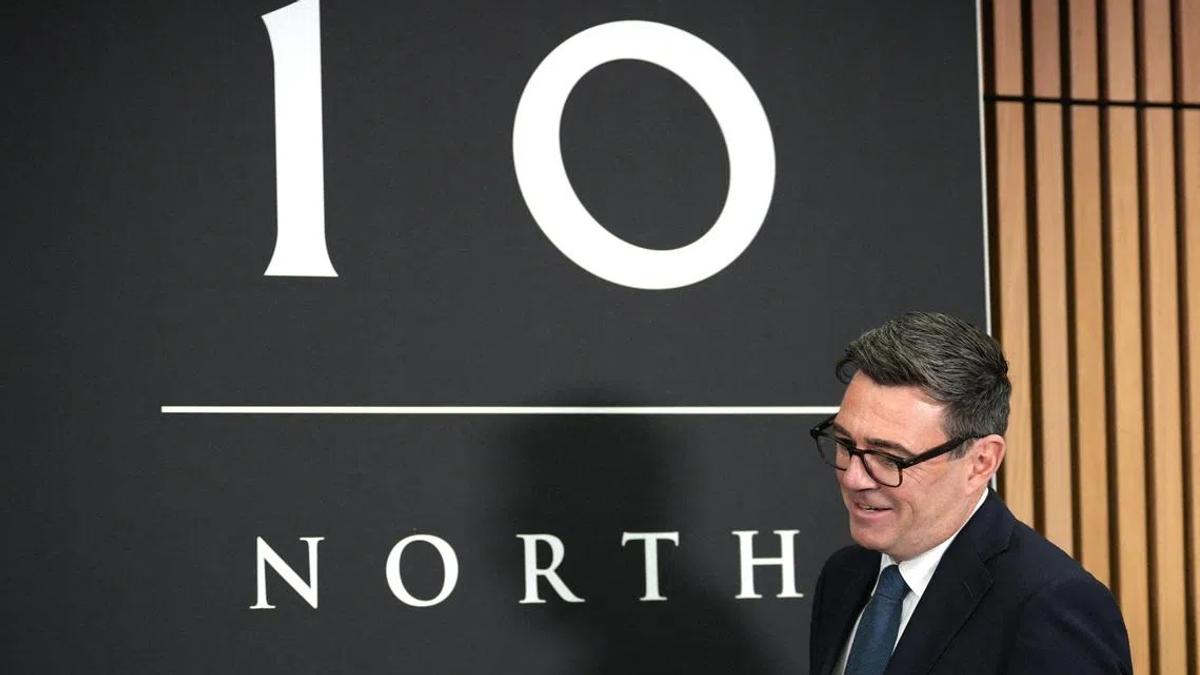
The United Kingdom's political landscape has witnessed a notable shift, with the governing Labour Party experiencing a significant surge in opinion polls, drawing level with or surpassing Nigel Farage's populist Reform UK. This development, occurring in the week following Andy Burnham's ascension to Prime Minister on July 20, 2026, marks a potential turning point after a prolonged period where Reform UK had dominated public sentiment. The change in leadership and immediate policy focus appears to have resonated with an electorate grappling with persistent economic challenges.
The dramatic reversal in polling fortunes can be attributed primarily to the strategic leadership change within the Labour Party. For over a year, Reform UK, with its anti-immigrant platform, had consistently led opinion polls and made substantial gains in local and regional elections in May 2026. This sustained pressure ultimately led to the removal of the then-unpopular Labour leader, Keir Starmer, and the installation of Andy Burnham, a former mayor perceived as more charismatic and electorally appealing.
Upon assuming office, Prime Minister Burnham swiftly implemented a series of measures designed to offer “breathing space” to voters facing a high cost of living. These included the removal of a tax on energy bills, the capping of bus fares, and tax reductions for pubs and bars. This immediate and tangible focus on everyday economic concerns appears to have struck a chord with the public, contrasting sharply with the previous political inertia and contributing to Labour's rapid ascent in the polls. Surveys from Survation, More In Common, and YouGov all indicated a substantial increase in Labour's support, with some showing the party leading Reform UK for the first time in over a year. For instance, Survation reported Labour at 26% against Reform's 24%, a significant jump from Labour's 19% just weeks prior.
Nigel Farage's Reform UK had capitalized on widespread public dissatisfaction, particularly concerning immigration and the perceived failures of mainstream parties to address economic anxieties. Its consistent lead in polls underscored a deep-seated desire for radical change among a segment of the British electorate. However, as Labour enjoys its “bounce,” Reform UK has simultaneously faced scrutiny over allegations regarding undeclared gifts from wealthy backers. While Farage has vehemently dismissed these claims as an “establishment” attempt to discredit him, such controversies can erode public trust and potentially temper the momentum of populist movements. This confluence of Labour's renewed appeal and Reform's emerging challenges creates a dynamic and uncertain political environment.
The shifting political landscape in the UK carries significant domestic and potential international implications. Domestically, a revitalized Labour Party under Burnham could signal a re-engagement of a substantial portion of the electorate with mainstream politics, potentially mitigating the fragmentation and polarization that populist movements often foster. The focus on cost-of-living issues suggests a potential shift in economic policy priorities, emphasizing direct relief and public services over other fiscal considerations. This could have long-term effects on the UK's economic trajectory and social welfare programs.
From a geopolitical perspective, a more stable and predictable political environment in a major G7 economy like the UK is generally viewed positively by international partners. A government with a clearer mandate and perceived public support is better positioned to conduct foreign policy, engage in international diplomacy, and address global challenges. The UK's role in European security, its relationship with the European Union post-Brexit, and its strategic alliances with the United States and other nations are all influenced by its internal political stability. While the long-term sustainability of Labour's poll surge remains to be seen, this initial shift suggests a potential recalibration of British politics that could have ripple effects beyond its borders. The ability of a new leader to quickly connect with the public and address pressing domestic concerns highlights the enduring power of effective political leadership in shaping national and international perceptions.
Source referenced: STRAITSTIMES
This brief was synthesized by our Editorial Engine and reviewed by The Ground Narrative team.