TRENDING

Monday, 5 October 2026
----------------------
24 Rabi' Al-Thani 1448 AH
British forces have intercepted a sanctioned Russian oil tanker in the English Channel, marking a significant escalation in Western efforts to disrupt Moscow's 'shadow fleet' and its funding for the war in Ukraine. This operation underscores a broader strategy to counter Russia's hybrid warfare tactics, including alleged threats to critical undersea infrastructure.
On June 14, 2026, British forces executed a six-hour operation in the English Channel, intercepting the sanctioned oil tanker SMYRTOS, identified as part of Russia's 'shadow fleet.' This action, described by the UK Defence Ministry as the first UK-led operation of its kind, involved Royal Marine Commandos and law enforcement officers from the National Crime Agency, supported by Chinook helicopters and the frigate HMS Sutherland. The vessel is now being monitored off the south coast of England.
What transpired was a direct interdiction of a vessel suspected of violating international sanctions imposed on Russia following its 2022 invasion of Ukraine. The 'shadow fleet' comprises aging tankers often operating under dubious ownership and flags, designed to circumvent Western embargoes on Russian oil exports. These vessels enable Russia to continue generating revenue, which Western nations assert directly funds its military operations in Ukraine. Defence Minister Dan Jarvis explicitly stated that disrupting this fleet 'delivers a blow to Putin’s illegal war' and reduces Russia's capacity to threaten European security.
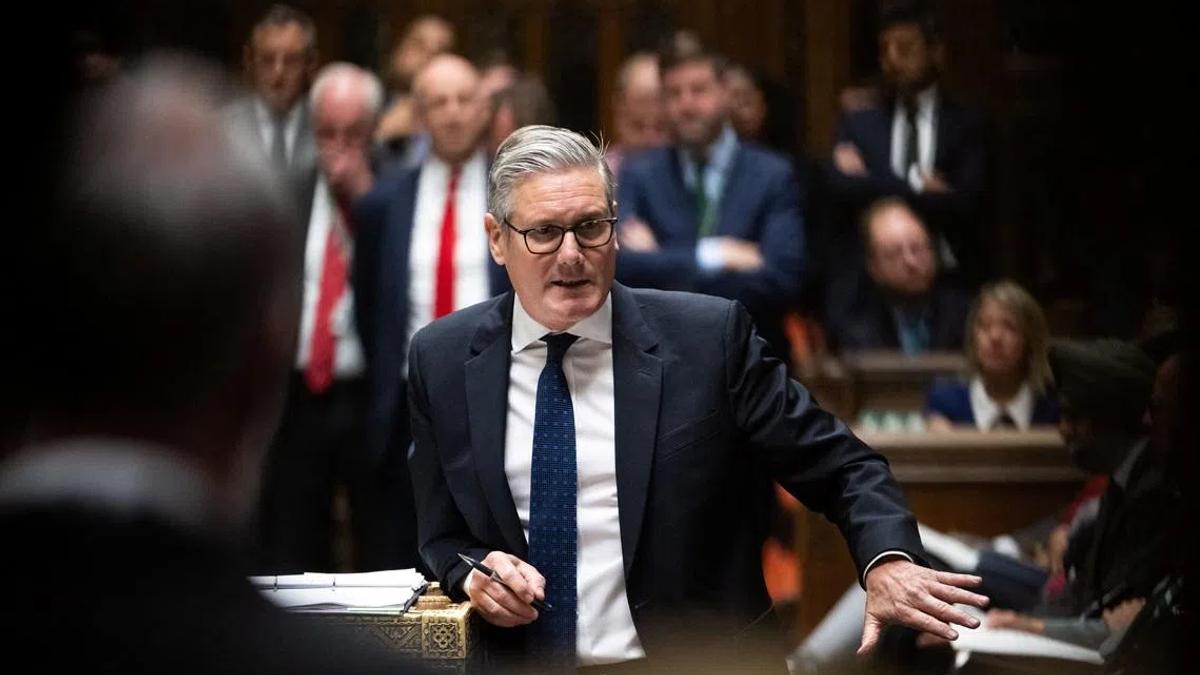
Why this interception is strategically significant lies in its proactive nature. Previously, sanctions enforcement primarily focused on banning such ships from Western ports and services. This operation, however, demonstrates a shift towards active interdiction in international waterways, signaling a more aggressive stance by the UK and its allies. Prime Minister Keir Starmer affirmed that the operation delivered 'yet another blow to Russia and reminds those fuelling Putin’s war in Ukraine that they cannot hide.' The UK government had announced in March its intent to board and seize shadow fleet vessels passing through its waters, setting the legal groundwork for such actions.
This incident is not isolated but fits into a larger pattern of escalating tensions and what European leaders describe as Russia's 'hybrid war' tactics. Where these tensions are particularly acute includes the Baltic Sea, where a series of incidents since 2023 have seen undersea cables and power lines damaged. Military experts and European leaders have attributed these acts to Russia, aiming to destabilize the region and test NATO's resolve. The Baltic Sea's strategic importance has grown immensely, now bordered almost entirely by NATO members, excluding Russia itself.
The connection between the shadow fleet and these broader security concerns is explicit. London has stated that such ships are suspected of damaging undersea cables in the Baltic Sea on several occasions. The UK government plans to propose new legislation to prevent 'Russia and other hostile states' from sabotaging vital subsea internet cables, highlighting the critical importance of protecting this infrastructure. The UK, for instance, relies on approximately 64 major undersea telecoms cables for its global connectivity. Reports of Russian submarines tracking near vital undersea cables and pipelines in UK waters further underscore the perceived threat to critical infrastructure.
How this operation was conducted involved close coordination with France, indicating a concerted European effort to address the challenge posed by Russia's shadow fleet. Other European countries, including France, Belgium, and Finland, have also recently seized sanction-busting vessels, demonstrating a unified front against these illicit activities. This collective action aims to increase the operational costs and risks for Russia's shadow fleet, making sanctions evasion more difficult and expensive.
The interception in the English Channel, a vital global shipping lane, sets a precedent for future actions. It raises questions about the long-term implications for maritime law, international shipping, and the enforcement of sanctions in international waters. While the immediate goal is to curtail Russia's war funding, the broader objective is to counter a multifaceted 'hybrid war' that encompasses economic pressure, information warfare, and potential sabotage of critical infrastructure. This operation underscores the evolving nature of geopolitical conflict, where economic sanctions and maritime security are increasingly intertwined with national security and strategic stability across Europe and beyond.
Source referenced: STRAITSTIMES
This brief was synthesized by our Editorial Engine and reviewed by The Ground Narrative team.


