TRENDING

Tuesday, 22 September 2026
----------------------
11 Rabi' Al-Thani 1448 AH
Counterterrorism police are investigating suspected anti-Muslim attacks in Edinburgh, injuring five, as the UK experiences a surge in anti-migrant sentiment and related unrest. This incident underscores growing domestic tensions and coincides with significant shifts in the nation's political landscape, reflecting broader challenges to social cohesion.
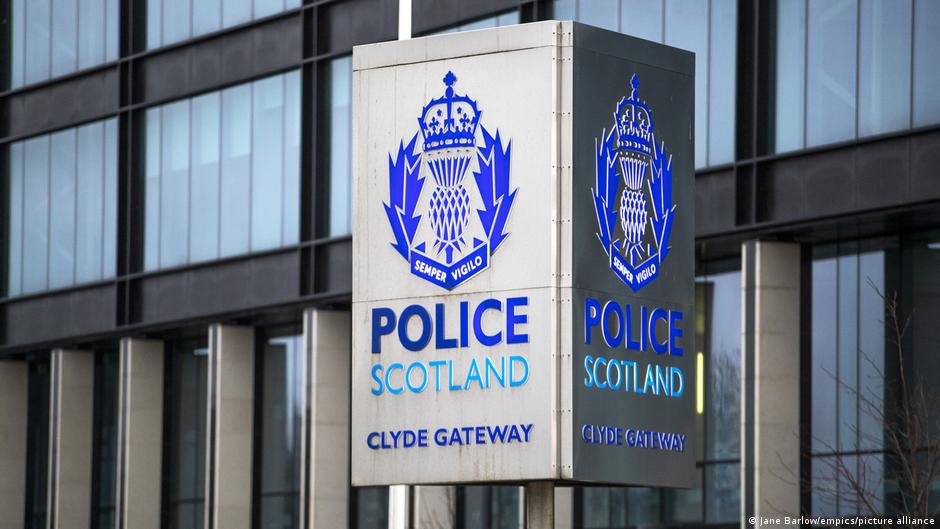
The United Kingdom's counterterrorism police have initiated an investigation into suspected anti-Muslim violence that occurred in Edinburgh, Scotland, on Friday, leaving five men injured. Emergency services responded to reports of "violent attacks including threats, robbery and vandalism" across the city, with local media indicating the incidents began near a mosque before spreading. A 36-year-old Scottish man has been arrested in connection with the attacks, which saw three of the five victims requiring hospital treatment for non-life-threatening injuries. Footage circulating on social media reportedly showed the arrested individual making anti-Muslim statements. The involvement of Counter Terrorism Policing Scotland, supported by specialist and local officers, highlights the gravity with which authorities are treating these events, signaling a concern that such acts may constitute hate-motivated domestic extremism. Scottish First Minister John Swinney and Assistant Chief Constable Catriona Paton have publicly condemned the violence, calling for calm and emphasizing that "there is no place for racism or faith-based hate in Scotland."
This incident in Edinburgh is not an isolated event but rather a stark manifestation of a broader and escalating pattern of anti-migrant and anti-Muslim sentiment sweeping across the United Kingdom. In recent weeks, the UK has witnessed a series of public disturbances and violent clashes, indicative of deep-seated societal tensions. Last week, Belfast experienced two nights of serious disorder following a knife attack allegedly carried out by a Sudanese asylum seeker, which rapidly escalated into violence with homes and vehicles set ablaze. Similarly, the week prior, protesters clashed with police in Southampton over the handling of a murder case. These events collectively paint a picture of a nation grappling with heightened anxieties surrounding immigration, multiculturalism, and national identity. Critics point to the role of far-right groups in actively stoking these sentiments, leveraging social media and public discourse to amplify anti-migrant and anti-Muslim narratives.
The surge in anti-immigrant sentiment and associated unrest is occurring against a backdrop of significant shifts in the UK's political landscape. The anti-immigration populist party, Reform UK, led by Nigel Farage, has recently seen a notable rise in opinion polls, even surpassing the long-dominant Labour and Conservative parties. This political ascendancy is a critical indicator of how deeply concerns over immigration and national identity resonate with a segment of the British electorate. The party's success suggests a growing disillusionment with traditional political establishments and a desire for more stringent immigration policies. The mainstream political parties are now under increased pressure to address these concerns, potentially leading to a hardening of rhetoric or policy positions on immigration and integration, as they seek to reclaim voters from the populist right. The electoral success of such parties can further legitimize and amplify anti-immigrant narratives, creating a feedback loop that exacerbates social divisions.
The investigation by counterterrorism police into the Edinburgh attacks underscores a critical shift in the focus of national security concerns, moving beyond traditional international terrorism threats to address the growing challenge of domestic extremism fueled by hate and ideology. The potential for such incidents to escalate, both in frequency and severity, poses a significant threat to domestic stability and social cohesion within the UK. The erosion of trust between communities, fueled by targeted violence and inflammatory rhetoric, can undermine the fabric of a multicultural society. From a geopolitical perspective, a nation grappling with internal divisions and rising extremism can project an image of instability, potentially impacting its soft power, diplomatic standing, and ability to address broader international challenges. The UK's commitment to upholding the rule of law and protecting all its citizens, irrespective of faith or origin, is crucial in mitigating these risks and demonstrating resilience against extremist ideologies. The long-term consequences could include further polarization, challenges to integration policies, and a redefinition of national identity debates.