TRENDING

Saturday, 10 October 2026
----------------------
29 Rabi' Al-Thani 1448 AH
US President Donald Trump's mixed messaging on Iran has sparked a renewed flurry of diplomacy, but also raised concerns about the potential for military escalation.
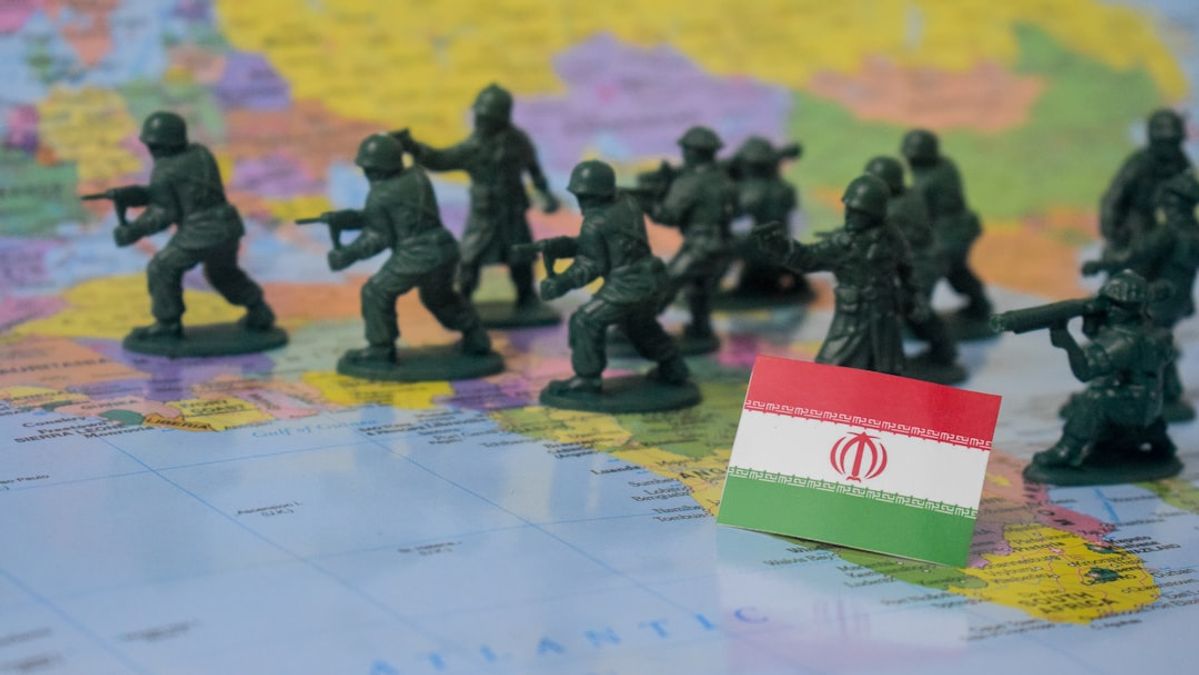
The ongoing Iran standoff has reached a critical juncture, with US President Donald Trump oscillating between diplomacy and threats. This mixed messaging has sparked a renewed flurry of diplomacy, but also raised concerns about the potential for military escalation. In this analysis, we will examine the strategic motivations behind Trump's actions, the historical context of the conflict, and the regional implications of the current situation.
Trump's preference for "negotiation on air" has made it difficult for Tehran to agree to concessions in private. The unpredictability of Trump's approach has created a strategic dilemma for the administration, as it risks continued knock-on effects to the US economy and driving tanking approval on how Trump has handled the war. The administration is likely aware that any deal reached with Iran on its nuclear programme must be seen as going beyond the former President Barack Obama-era Joint Comprehensive Plan of Action (JCPOA), from which Trump withdrew in 2018.
The reported phone call between Trump and Prime Minister Benjamin Netanyahu has highlighted the complex dynamics at play in the conflict. Netanyahu's push for the US to resume attacks has been met with resistance from Trump, who is reportedly seeking a deal. The Israeli factor is significant, as Israel has long supported military action against Tehran. The reposting of Richard Goldberg's op-ed by Trump, which called for a prolonged, grinding conflict, has raised concerns about the potential for further escalation.
The conflict in Iran has significant regional implications, particularly in the Middle East. The ongoing naval blockade of Iran's ports has had a devastating impact on the country's economy, and the potential for further escalation could have far-reaching consequences. The Strait of Hormuz, which connects the Persian Gulf to the Gulf of Oman, is a critical waterway for global energy supplies. The ability of Iran to assert control over the Strait has given it a coercive instrument of extraordinary power, boosting its leverage in any talks.
The Iran standoff has reached a critical juncture, with Trump's mixed messaging raising concerns about the potential for military escalation. The administration's strategic dilemma is clear, as it seeks to claim a convincing victory in the conflict while avoiding further economic costs. The regional implications of the conflict are significant, and the potential for further escalation could have far-reaching consequences. As the situation continues to unfold, it is essential to remain vigilant and monitor the developments closely.
The way forward for the US and Iran is uncertain, but several options are possible. A prolonged, grinding conflict could have devastating consequences for both countries, while a negotiated settlement could provide a way out of the current impasse. The administration's decision to take possession of Iran's stockpile of highly enriched uranium has been met with resistance from Tehran, and the prospect of imposing a toll for the Strait of Hormuz remains a contentious issue. As the situation continues to unfold, it is essential to remain vigilant and monitor the developments closely.
Editor's Note: While the analysis suggests that a negotiated settlement is the most likely outcome, the potential for further escalation cannot be ruled out.
Source referenced: ALJAZEERA
This brief was synthesized by our Editorial Engine and reviewed by The Ground Narrative team.


