TRENDING

Friday, 16 October 2026
----------------------
5 Jumada Al-Awwal 1448 AH
Villagers in Odisha allege that the consent documents for a $24 million Adani bauxite mine were fabricated. The case reveals how corporate ambition, political calculus, and bureaucratic shortcuts intersect to marginalize Indigenous peoples.
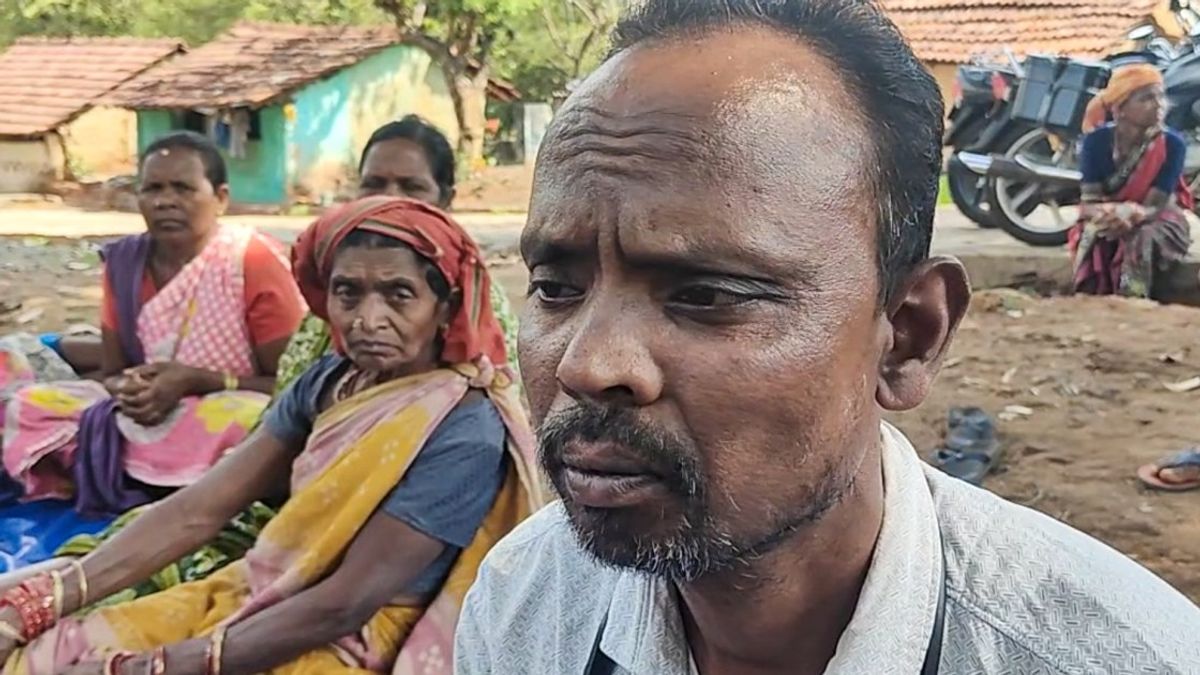
On October 9, 2025, a village council meeting was supposedly held in the tribal hamlets of Balda and Bannur in Odisha, India, to approve a bauxite mining project run by Kalinga Alumina Limited, an arm of Adani Enterprises. Villagers now say the meeting never occurred, that their thumbprints and signatures were forged, and that the consent documents list deceased or absent residents. The alleged resolution claims that 580 adults consented to surrender forest land that is sacred to at least ten tribal villages, paving the way for a $24 million mine on Balda Hill.
The push for the mine sits at the intersection of three powerful incentives. First, Adani seeks to diversify its portfolio beyond ports and energy, eyeing the lucrative global demand for aluminium. Securing a foothold in Odisha—a state rich in mineral deposits—offers the conglomerate a strategic edge in export markets.
Second, the Modi‑led central government has framed mineral extraction as a pathway to “development” in lagging regions. By promising roads, schools, and water connections, the state creates a narrative that links political legitimacy to visible infrastructure, especially in districts like Koraput that have historically voted for the ruling party.
Third, local bureaucrats and contract revenue officers benefit from short‑term cash flows. The interview with Ramnath Pungi, a revenue clerk paid 3,000 rupees to collect signatures, shows how petty financial incentives can be weaponised to bypass constitutional safeguards. The Indian Constitution mandates a 50 percent adult quorum and genuine written consent for any diversion of tribal land. Yet the meeting notices were posted only a day before the alleged gathering, violating the two‑week notice rule and ensuring that the quorum requirement could be ignored.
The confluence of corporate ambition, political survival, and low‑level bureaucratic gain creates a feedback loop: the more the state pushes mining projects, the more local officials are tempted to cut corners, and the deeper Adani can embed its operations without genuine community buy‑in.
The forest atop Balda Hill hosts not only biodiversity but also sacred sites, caves, and grazing grounds that tribal families have tended for generations. When the land is cleared for open‑pit mining, families lose their homes, agricultural plots, and the spiritual spaces that anchor their identity. Villagers like Madhav Kuntili recount promises of jobs and infrastructure, yet the reality is a loss of livelihood and forced migration to overcrowded towns where unemployment is high.
Bauxite extraction generates dust, runoff, and heavy‑metal contamination that can seep into water sources used for drinking and irrigation. Tribal children, already vulnerable due to limited healthcare, face heightened risks of respiratory illnesses and skin conditions. The loss of forest cover also accelerates soil erosion, undermining the very agricultural base the community depends on.
Even if the promised roads and schools materialise, they rarely translate into equitable benefits for the displaced. The mining operation is capital‑intensive and employs a small, often non‑local workforce. Consequently, the bulk of the economic upside accrues to Adani and its supply chain, while the tribal populace bears the cost of relocation, loss of land titles, and cultural dislocation.
Official statements from the district magistrate and police superintendent have been conspicuously absent, suggesting an institutional reluctance to confront the irregularities. The revenue clerk’s admission that he was instructed to sign on behalf of residents reveals a systemic loophole: the same paperwork used for routine land settlement can be repurposed for large‑scale industrial projects without transparent oversight.
National outlets have largely echoed the government’s development narrative, while the granular evidence of forged signatures—thumbprints of paralysed elders, names of the deceased—remains buried in local reporting. By framing the issue as a simple “development vs. tradition” debate, the broader discourse sidesteps the legal breach of the Indian Constitution’s provisions on tribal autonomy.
Adani has not issued a public response to the allegations, a silence that serves a dual purpose. It avoids drawing further scrutiny that could trigger legal challenges, and it allows the company to continue presenting the project as a win‑win for the state’s economy. The lack of a corporate statement also prevents the narrative from being reframed as a corporate‑social‑responsibility issue, keeping the focus on the purported community consent.
The next few months will test whether the forged‑consent claims can translate into legal action. Watch for a petition filed in the Odisha High Court by tribal activists, which could force a judicial review of the Gram Sabha resolutions. Election cycles in 2027 may also amplify the issue, as opposition parties could leverage the controversy to challenge the ruling party’s development record in tribal districts.
Internationally, NGOs and human‑rights bodies are beginning to document the case, potentially prompting scrutiny from foreign investors wary of reputational risk. Any escalation—whether a court injunction, a large‑scale protest, or a media expose—could pressure the state to revisit its mining approval process and reinforce constitutional safeguards for Indigenous land rights.
Stakeholders to monitor include the Ministry of Mines, the National Green Tribunal, and the Adani corporate communications team. Their statements, or lack thereof, will signal whether the power dynamics shift toward accountability or remain entrenched in the status quo.
Villagers point to thumbprints of paralysed elders, signatures of people who died years ago, and the absence of a quorum at the alleged Gram Sabha meetings as proof of forgery.
The Constitution requires a valid Gram Sabha resolution with at least 50 percent adult participation and genuine written consent before tribal land can be diverted for non‑tribal use.
If courts rule the consent process illegal, it could set a precedent that forces a review of similar approvals, potentially delaying or halting other Adani mining ventures.
Editor's Note: Analysis based on multiple eyewitness accounts and official documents; ongoing legal developments may alter details.
Source referenced: ALJAZEERA
This brief was synthesized by our Editorial Engine and reviewed by The Ground Narrative team.