TRENDING

Thursday, 17 September 2026
----------------------
6 Rabi' Al-Thani 1448 AH
Nigeria’s defence budget has surged 55% in a year as President Bola Tinubu races to secure his re‑election. The spending spree reshapes power, but the human cost falls on farmers, students and ordinary citizens caught in the crossfire.
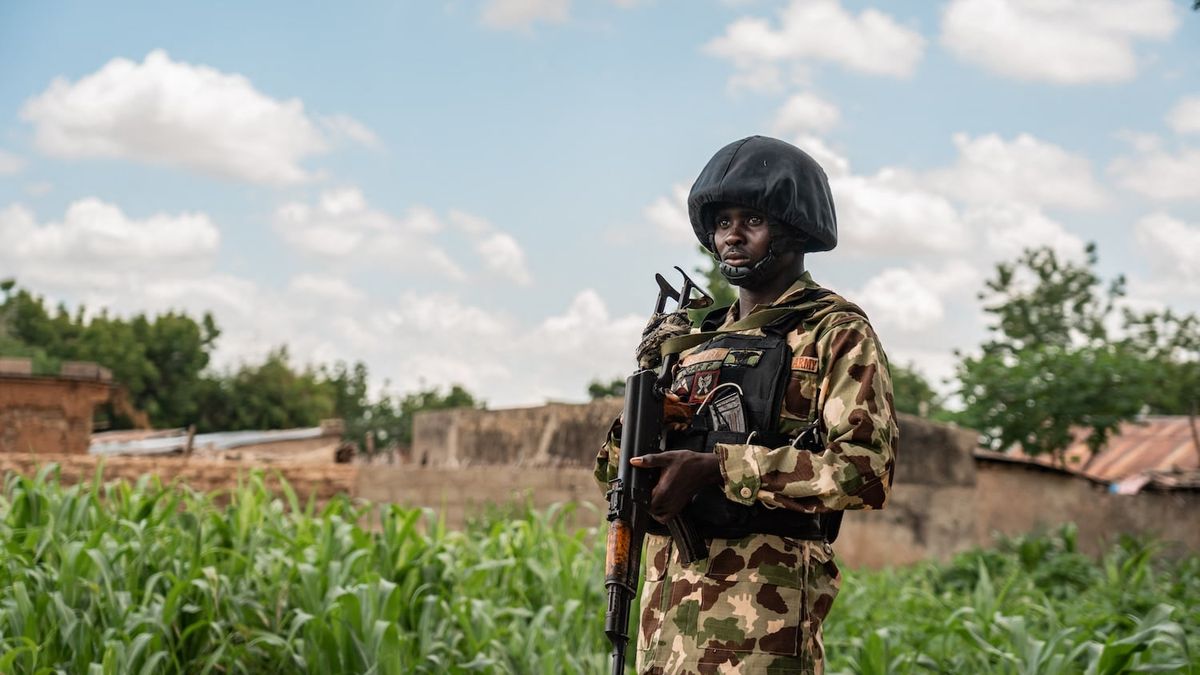
President Bola Tinubu has launched the biggest expansion of Nigeria’s armed forces since the 1960s, approving a 55 % jump in defence spending to $2.1 billion in 2025 and pledging to double that amount in 2026. The move includes salary hikes for troops, the creation of four new army divisions, and the recruitment of 28,000 additional soldiers before December. At the same time, Tinubu reshuffled 15 top generals, installing Maj. Gen. Ibikunle Ajose to command the northeast, the heart of the Boko Haram insurgency, as the nation heads toward the January 2027 general elections.
The spending surge serves three intertwined incentives. First, political survival: insecurity dominates voter concerns, and a visible military build‑up offers Tinubu a tangible claim of action against kidnappings and insurgent attacks that have risen by two‑thirds since 2025. Second, economic calculus: the defence sector injects cash into a stagnant economy, creating patronage networks that bind regional elites to the federal government through contracts, procurement, and the new state‑level police forces approved by the National Assembly. Third, international leverage: by deepening security cooperation with the United States—evidenced by the brief deployment of U.S. troops and joint counter‑terrorism strikes—Tinubu signals alignment with Washington, hoping to secure aid, training, and political backing that can be weaponised against domestic opponents.
While the budget line glitters, the human cost is already visible on the ground. Rural farmers in the north‑central belt are abandoning fields because kidnappers block roads and threaten families, driving up food prices and sparking localized hunger crises. Schoolchildren in Oyo and other states live under the constant threat of mass abductions; the May 2024 kidnapping of dozens of pupils left communities traumatized and schools shuttered. The surge in ransom payments—$5.8 million in the past year, three times the previous amount—feeds a shadow economy that enriches criminal networks while impoverishing households forced to pay or lose loved ones. Moreover, the rapid recruitment drive strains the already fragile training system, risking the deployment of under‑prepared soldiers who may exacerbate civilian‑military tensions in contested regions.
Official narratives stress “personnel welfare” and “modernisation,” but they downplay institutional fragmentation. Nigeria’s security architecture remains split among the army, federal police, state police, and multiple intelligence agencies that lack unified command or shared intelligence. The new bill allowing states to raise their own police forces could further splinter authority, giving regional politicians a tool to build loyal security outfits that may be used against political rivals. Additionally, the analysis omits the geoeconomic dimension: the defence spend fuels a market for foreign arms suppliers—both Western and Chinese—who see Nigeria as a lucrative customer, potentially locking the country into dependency cycles that limit policy autonomy.
Watch for three critical developments. 1) Election‑time security outcomes: if the expanded army can curb high‑profile kidnappings before the polls, Tinubu may secure a second term; failure could amplify opposition narratives and fuel unrest. 2) Legislative implementation of state police: how quickly and under what oversight the new forces are deployed will reveal whether decentralisation strengthens local security or creates parallel militias. 3) Foreign arms procurement patterns: contracts awarded in the next six months will indicate whether Nigeria leans toward U.S. equipment, deepening Washington ties, or pivots to Chinese platforms, reshaping the strategic balance in West Africa.
Source referenced: FOREIGNPOLICY
This brief was synthesized by our Editorial Engine and reviewed by The Ground Narrative team.


