TRENDING

Monday, 5 October 2026
----------------------
24 Rabi' Al-Thani 1448 AH
The Trump administration is using global banking rules to target dissidents and opponents, following in the footsteps of authoritarian regimes. This strategy has significant implications for individuals and groups caught in the crossfire, with many finding themselves cut off from the digital economy.
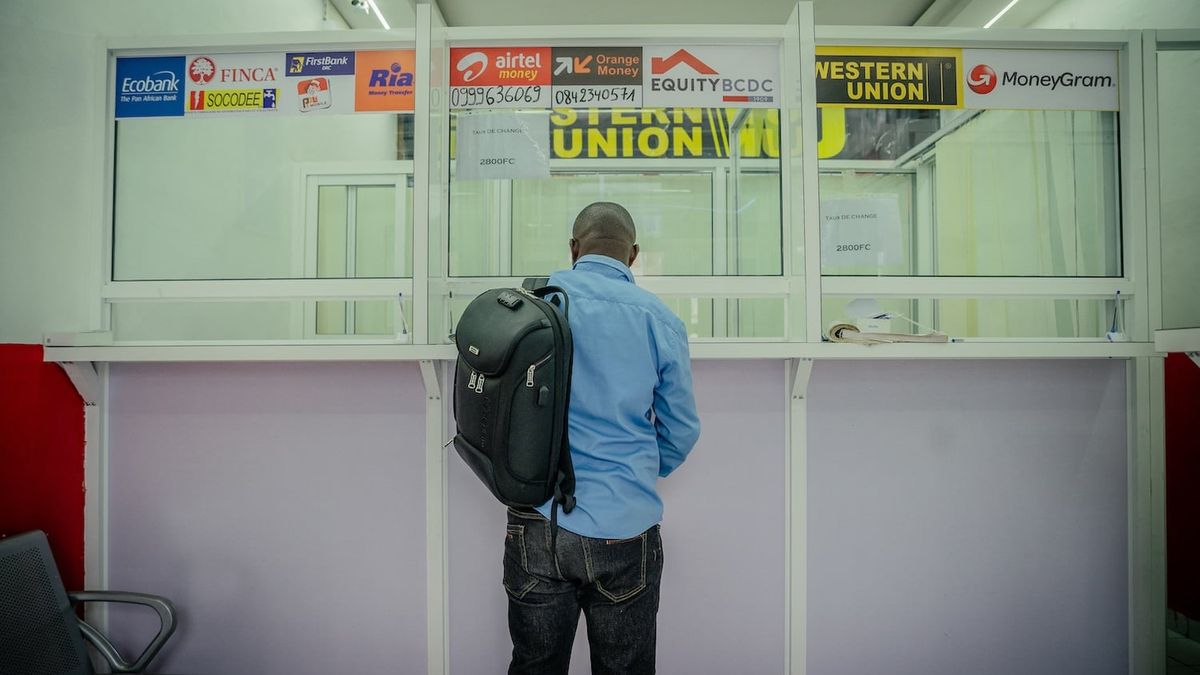
The Trump administration has been using financial counterterrorism mechanisms for political purposes, putting individuals and groups on sanctions lists that can have far-reaching consequences. This includes more than a dozen officials from the International Criminal Court and the United Nations' special rapporteur on the occupied Palestinian territories.
The global financial system's vulnerability to exploitation by authoritarian regimes and powerful actors has created an environment where financial institutions are increasingly cautious, often to the detriment of innocent individuals. The Financial Action Task Force has pushed countries to closely monitor payments, and laws like the Patriot Act have put the burden on banks to practice customer due diligence, threatening hefty fines for those who fail to flag suspicious customers or transactions.
Those unlucky enough to be put on sanctions lists have found themselves cut off from the digital economy, with accounts blocked or canceled without warning. This can have devastating consequences for individuals, including loss of access to essential services and products. ICC Judge Beti Hohler, who was sanctioned, stated that she no longer has access to American products and services, even in Europe, and that her accounts with companies like Apple, Amazon, and PayPal have been blocked or canceled.
What is being downplayed by powerful actors is the fact that this system is being exploited to target political opponents and dissidents. The use of sanctions lists as a tool for political repression is a growing concern, with many individuals and groups being caught in the crossfire. The role of commercial databases like World-Check, which provide screening services for financial institutions, is also being overlooked. These databases often prioritize comprehensiveness over accuracy, leading to innocent individuals being flagged as suspicious.
Readers should watch for further developments in the use of financial counterterrorism mechanisms for political purposes. The impact of sanctions on individuals and groups, as well as the role of commercial databases in facilitating this process, will be crucial to understanding the evolving landscape of global finance and politics. As the use of sanctions lists continues to grow, it is essential to monitor the consequences for those caught in the crossfire and to hold powerful actors accountable for their actions.
Editor's Note: The analysis is based on publicly available information and may not reflect the full complexity of the issue.
Source referenced: FOREIGNPOLICY
This brief was synthesized by our Editorial Engine and reviewed by The Ground Narrative team.


