TRENDING

Monday, 5 October 2026
----------------------
24 Rabi' Al-Thani 1448 AH
A recent recall of salsa and guacamole due to salmonella risk has raised concerns about the safety of America's food supply. The recall, initiated by Taylor Farms, affects products containing jalapenos from a farmer in Sinaloa, Mexico. As the investigation unfolds, it is essential to examine the power mechanics behind the food industry and the human cost of these outbreaks.
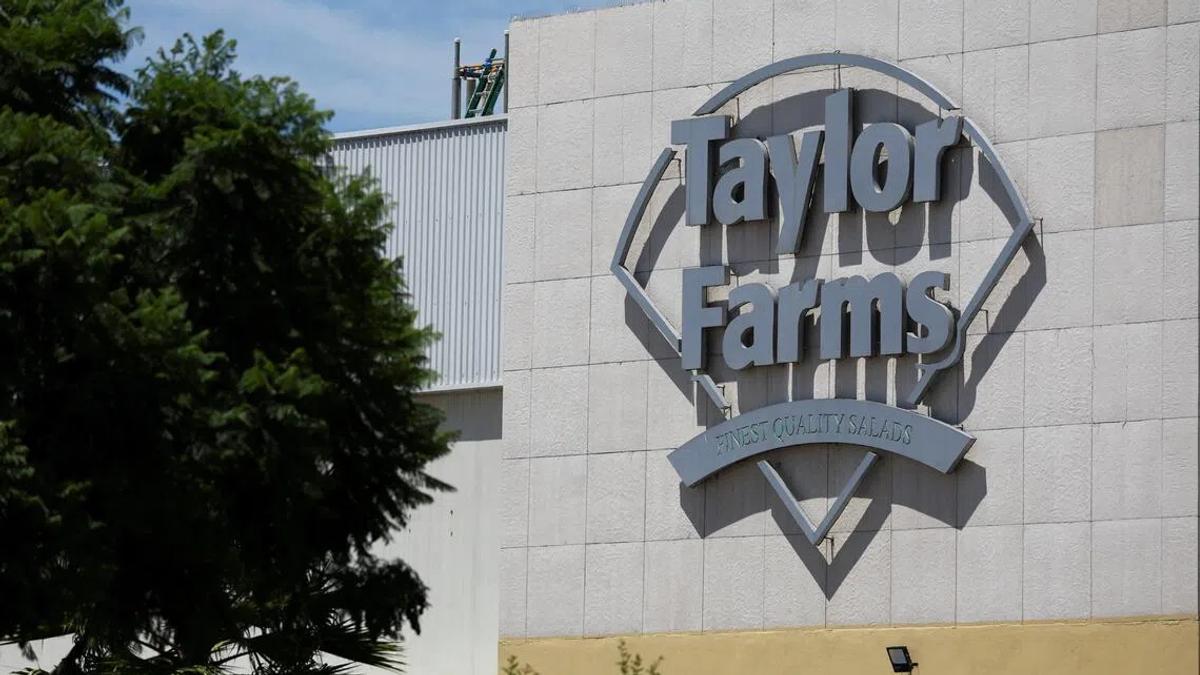
Taylor Farms, a California-based supplier, has recalled prepared food items containing jalapenos due to potential salmonella contamination. The recall affects products such as salsa and guacamole, which were distributed to retailers across the United States. This move comes after the Centers for Disease Control and Prevention (CDC) and the Food and Drug Administration (FDA) launched an investigation into a salmonella outbreak that has sickened 345 people across 27 states.
The food industry is a complex web of suppliers, distributors, and retailers. In this case, Taylor Farms sourced jalapenos from a farmer in Sinaloa, Mexico, who has been identified as the potential source of the salmonella outbreak. The company's decision to recall the products voluntarily may be seen as a proactive measure to mitigate the risk of further contamination. However, it also highlights the lack of stringent regulations and oversight in the food industry. The fact that Taylor Farms was already facing scrutiny over an outbreak of cyclosporiasis, which causes severe diarrhea, raises questions about the company's safety protocols and the FDA's ability to monitor the food supply effectively.
The human cost of these outbreaks is significant. Salmonella infections can cause diarrhea, fever, and stomach cramps, and can be particularly severe in young children, older adults, and people with weakened immune systems. The fact that 36 people have been hospitalized due to the salmonella outbreak is a stark reminder of the risks associated with contaminated food. Furthermore, the economic impact on farmers, distributors, and retailers cannot be ignored. The recall of products and the loss of business can have devastating effects on the livelihoods of people involved in the food industry.
What is being downplayed in this story is the role of globalization and the increasing reliance on imported food products. The fact that Taylor Farms sourced jalapenos from a farmer in Sinaloa, Mexico, highlights the complexities of the global food supply chain. The lack of transparency and oversight in this chain can lead to contamination and outbreaks, which can have far-reaching consequences. Additionally, the FDA's inability to confirm positive sample tests for cyclospora on Taylor Farms' lettuce raises questions about the agency's testing protocols and its ability to detect contaminants effectively.
As the investigation into the salmonella outbreak continues, it is essential to watch for developments in the FDA's testing protocols and the company's safety measures. The public should also be aware of the potential risks associated with imported food products and the importance of stringent regulations and oversight in the food industry. Furthermore, the impact of this outbreak on the food industry and the economy as a whole should be closely monitored. As the demand for safe and healthy food continues to grow, it is crucial to examine the power mechanics behind the food industry and to hold companies and regulatory agencies accountable for ensuring the safety of the food supply.
Editor's Note: The analysis is based on publicly available information and may not reflect the full complexity of the issue.
Source referenced: STRAITSTIMES
This brief was synthesized by our Editorial Engine and reviewed by The Ground Narrative team.